Window Glass Types Explained: The Complete Guide for Homeowners
From single-pane to triple-pane, clear to Low-E, tempered to laminated — here is everything DMV homeowners need to know about the different types of window glass and when each one is used.
Mike Reynolds
Lead Glass Technician & Owner
In This Article
Single-Pane Glass
A single sheet of glass, typically 3/32 to 1/8 inch thick. Found in pre-1980 DMV homes and still common in utility areas, garages, and historic properties. Provides minimal insulation (R-1.0), no UV protection, and limited sound reduction. The least expensive glass type but also the least energy-efficient. Replacement with double-pane Low-E is the most impactful upgrade available for homes with single-pane windows.
Double-Pane Insulated Glass (IGU)
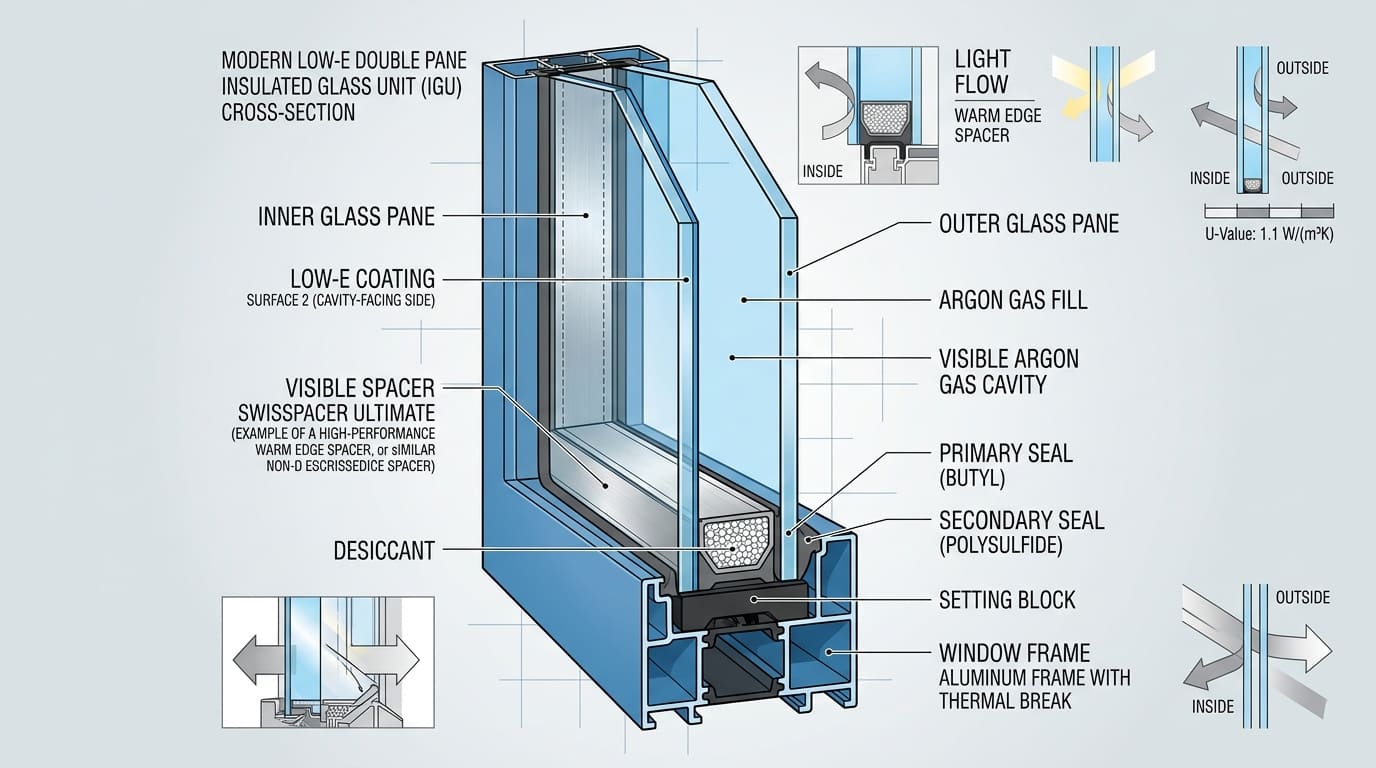
Two panes separated by a sealed spacer with argon or air in the cavity. The standard for residential construction since the early 1990s. Performance varies widely based on gas fill (argon vs air), coating (clear vs Low-E), and spacer type (aluminum vs warm-edge). A modern double-pane Low-E argon unit achieves R-3.0 to R-4.0 — three to four times the insulating value of single-pane glass.
Triple-Pane Glass
Three panes with two sealed cavities, typically filled with krypton gas and featuring dual Low-E coatings. Achieves R-5.0 to R-6.0 — approaching framed wall insulation. Found in passive-house construction and premium DMV homes in Great Falls, McLean, and Potomac. Costs significantly more than double-pane and provides diminishing returns for most applications, but excels in large window walls and extreme exposures.
Low-E Glass
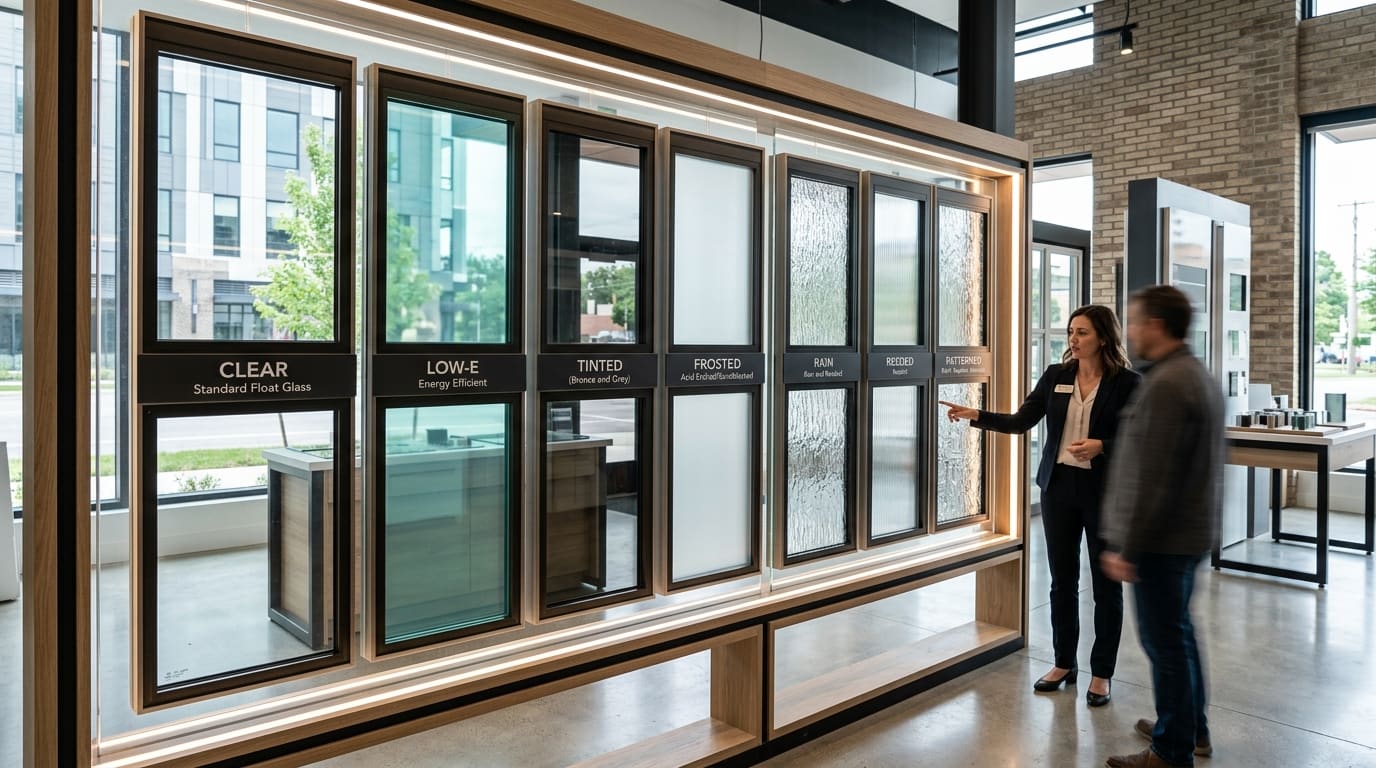
Any glass with a low-emissivity coating — a microscopically thin metallic oxide layer that reflects infrared radiation while passing visible light. Available in solar-control formulations (for south and west-facing windows) and passive-retention formulations (for north-facing windows). The single most cost-effective glass upgrade available. Blocks 99 percent of UV radiation that damages interiors.
Tempered Safety Glass
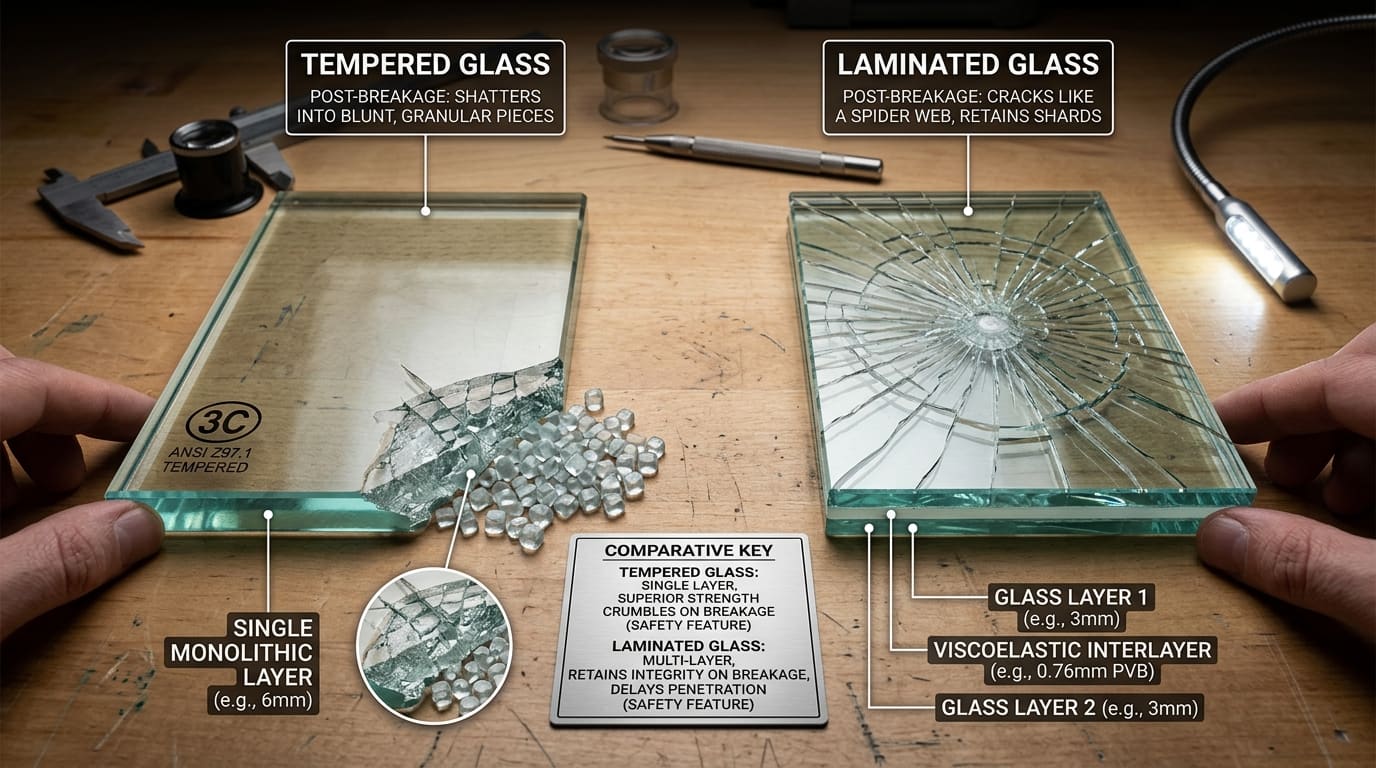
Heat-treated to be four times stronger than standard glass. Shatters into small, blunt pebbles on impact rather than dangerous shards. Required by building code near doors, in bathrooms, in stairways, and at low sill heights. Cannot be cut or modified after tempering — must be ordered to exact size.
Laminated Glass
Two panes bonded with a polyvinyl butyral interlayer. Holds together when broken, providing security against forced entry and protection against flying glass during storms. Excellent sound reduction properties (STC 34-45). Blocks 99 percent of UV radiation. More expensive than tempered but provides security and acoustic benefits that tempered does not.
Wired Glass
Glass with a wire mesh embedded during manufacturing. Traditionally used for fire-rated applications in commercial buildings and schools. The wire holds the glass in place during a fire, preventing flames from passing through the opening. Being replaced in many applications by newer fire-rated glass products that provide better visibility and higher impact resistance.
Patterned and Obscure Glass
Glass with textured surfaces that diffuse light while providing privacy. Available in numerous patterns — rain, reed, frosted, and dozens of decorative options. Common in bathroom windows, front door sidelights, and glass partitions. Can be combined with tempered or laminated construction for safety-rated applications.
Choosing the Right Glass
The right glass depends on the window location, orientation, code requirements, and your performance priorities. Our technicians assess each window individually and recommend the glass type that delivers the best value for your specific situation — not a one-size-fits-all specification. During any repair or replacement visit, we explain your options clearly so you can make an informed decision.
About the Author
Mike Reynolds
Lead Glass Technician & Owner
With over 15 years of experience in window and glass repair across the DC, Maryland, and Virginia area, Mike shares practical expertise to help homeowners and businesses make informed decisions about their glass repair and replacement needs.
Need Help With Your Glass?
Our experts are ready to help with any window or glass issue. Free estimates, same-day service available across DC, MD & VA.
Related Articles
Continue reading about guides
More Guides
View All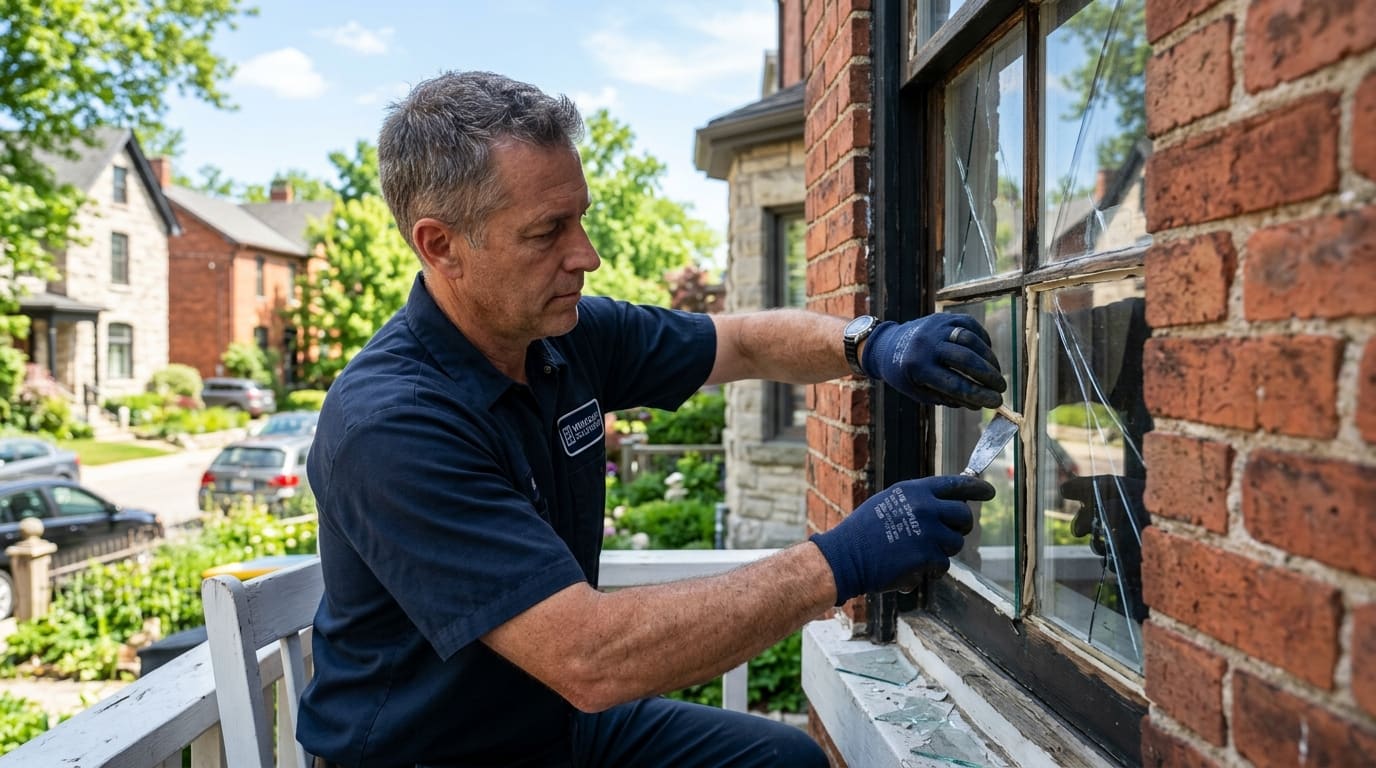
How to Tell If Your Window Glass Needs Repair or Replacement
8 min read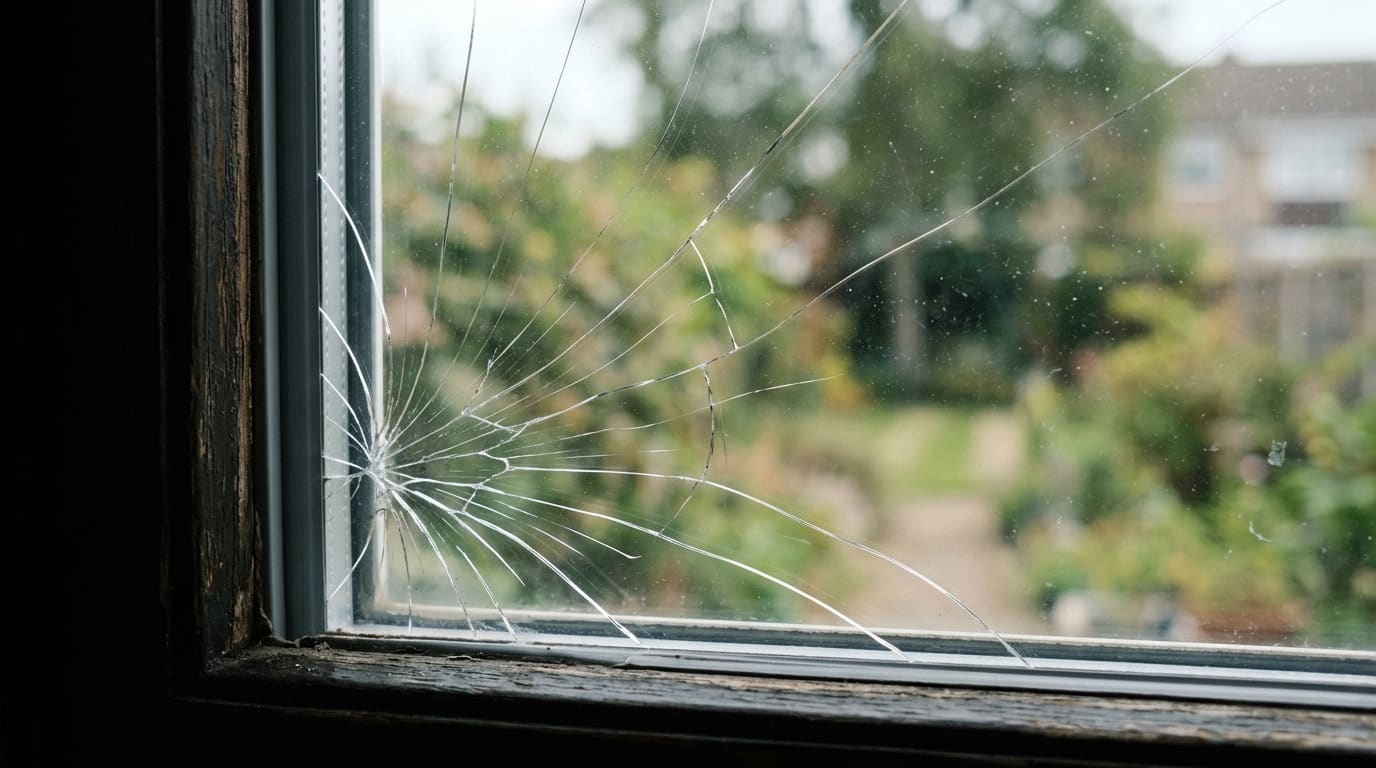
Stress Cracks in Windows: Causes, Prevention & Solutions for DMV Homeowners
7 min read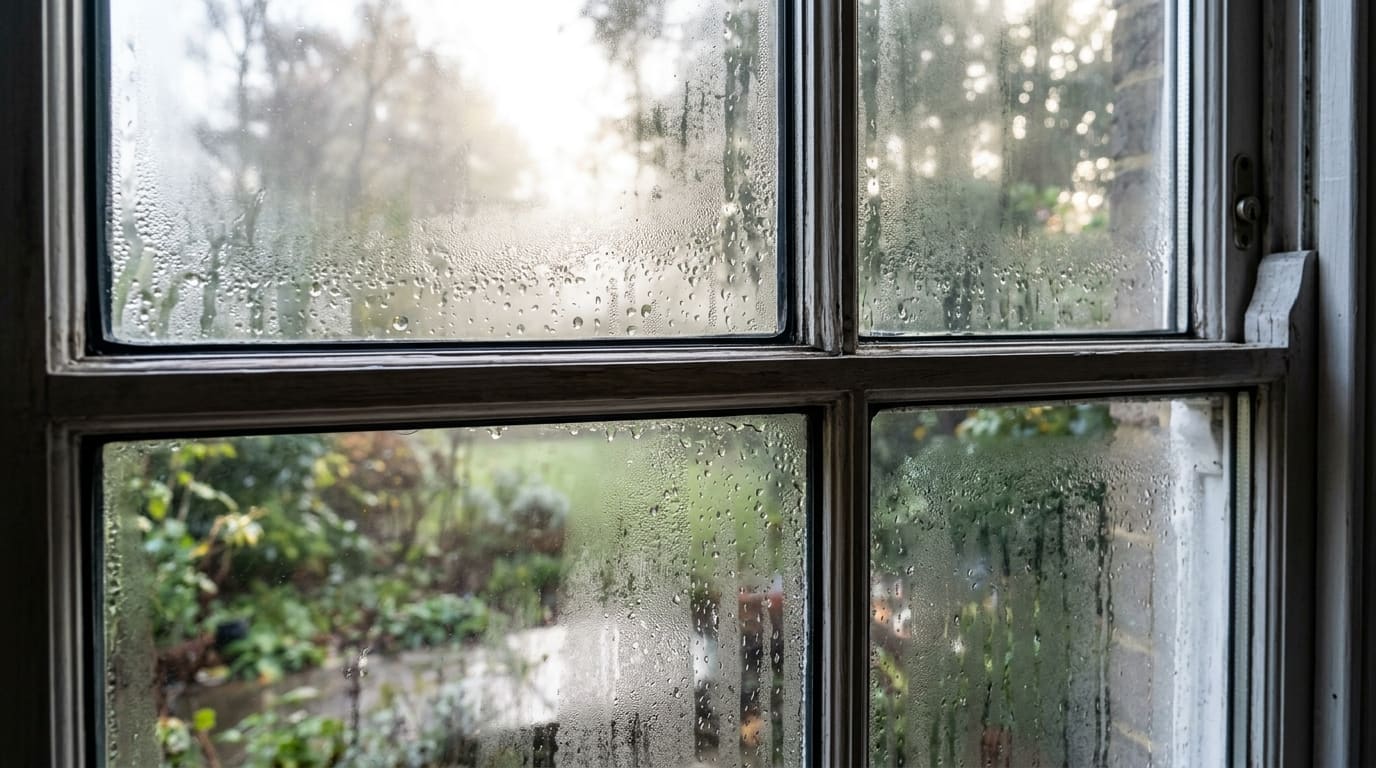
Foggy Windows: Why Double-Pane Seals Fail & What to Do About It
9 min read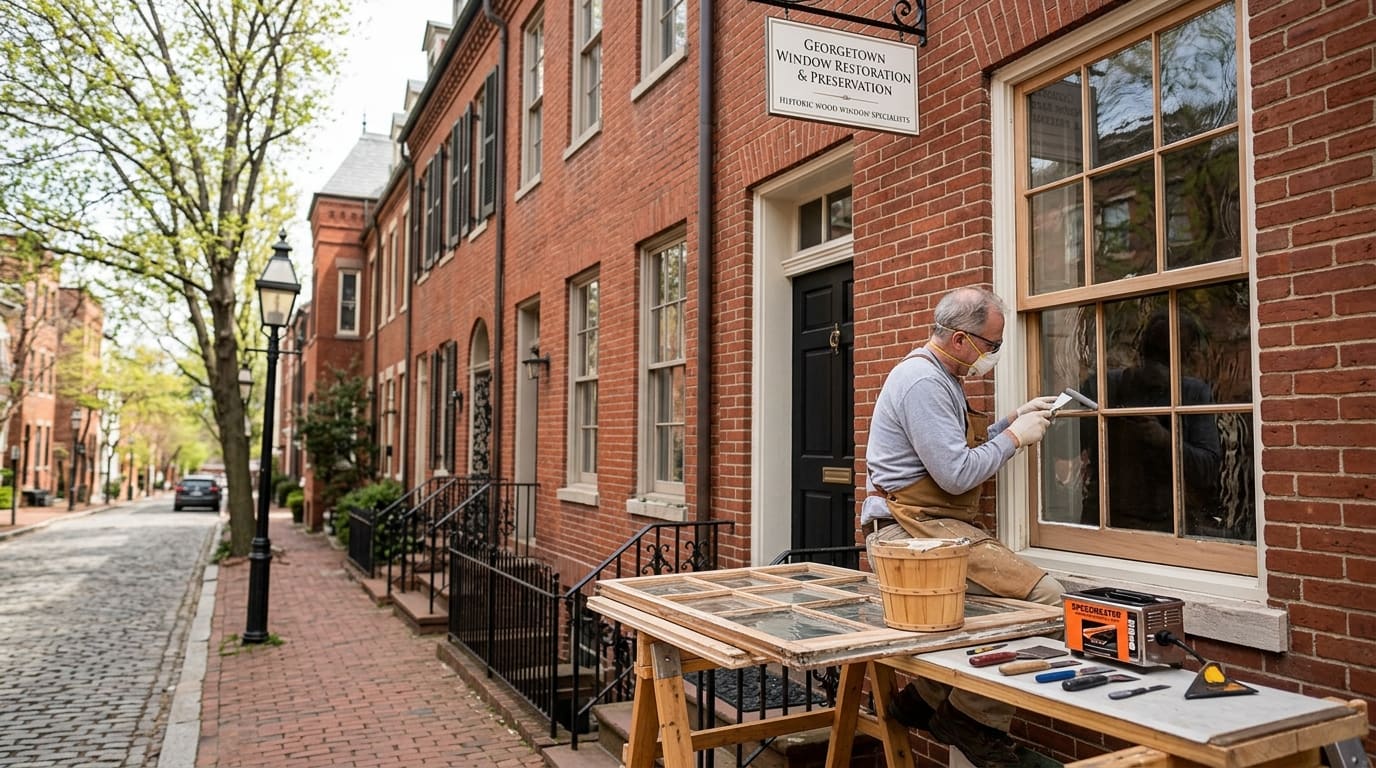
Glass Replacement in Historic DMV Homes: Preservation Meets Performance
9 min readExplore More Resources
Helpful Guides
Common Problems
Related Pages
Our Services
24/7 Emergency
Board-Up & Glass
Licensed & Insured
DC, MD & VA
300+ Areas
DMV Coverage
Same-Day Service
When You Need It
Ready to Get Started?
Get a free estimate for any window or glass service across the DMV area.