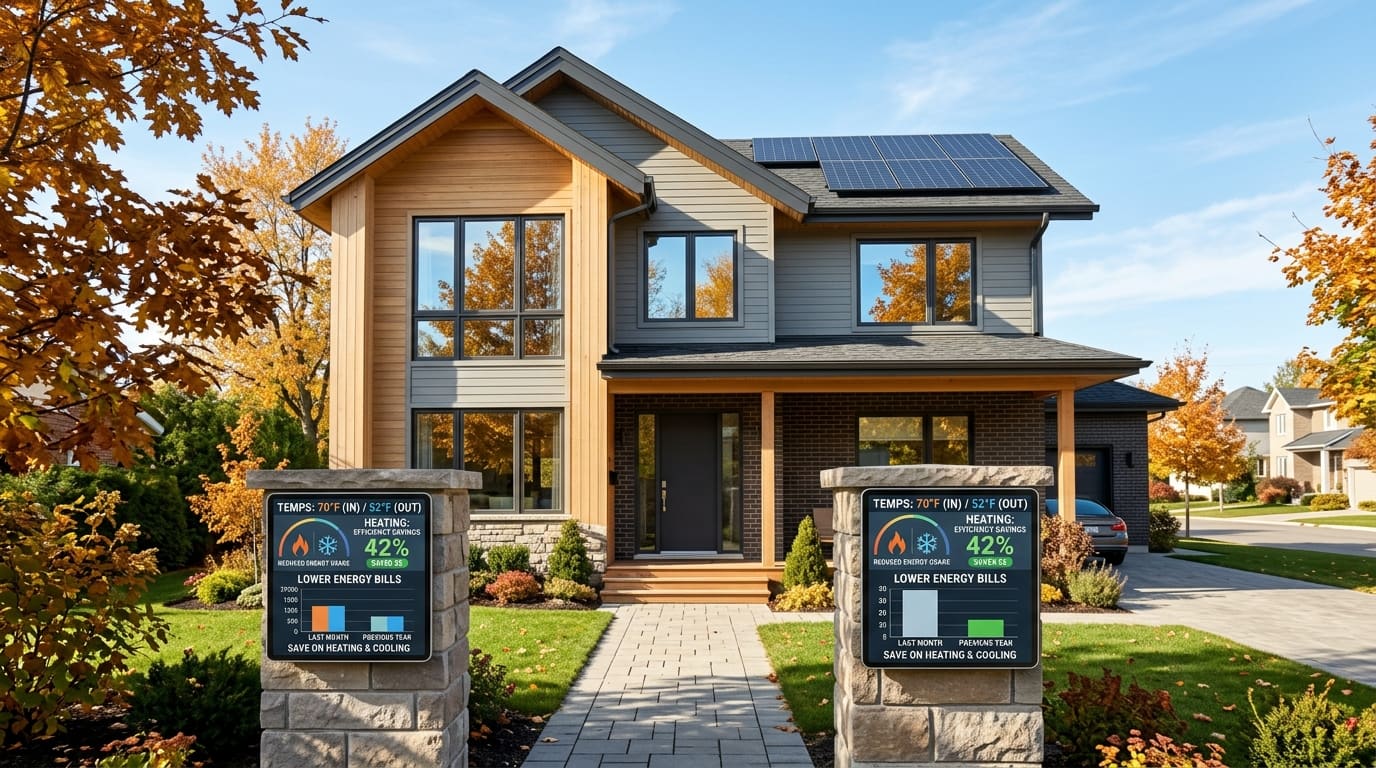
How Glass Replacement Saves Money on Energy Bills in the DMV
Windows account for 25-30% of your heating and cooling costs. Here is the real math on how replacing outdated glass with modern energy-efficient options reduces your DMV energy bills.
Mike Reynolds
Lead Glass Technician & Owner
In This Article
The Energy Impact of Your Windows
The Department of Energy estimates that windows are responsible for 25 to 30 percent of residential heating and cooling energy use. In the DMV — a mixed climate with both significant summer cooling and winter heating demands — this means your windows are a major factor in your energy bills from May through September and again from November through March. Outdated, damaged, or failed glass amplifies this cost significantly.
What You Lose Through Old Glass
Single-pane glass has an R-value of approximately 1.0 — essentially no insulation. Standard air-filled double-pane glass from the 1990s provides R-2.0. Failed double-pane units with broken seals perform somewhere between R-1.0 and R-1.5 because the insulating gas is gone and moisture has degraded whatever minimal insulating value the dead air provides. Each step down in R-value means more heat transferring through your windows and more energy consumed to compensate.
What Modern Glass Delivers
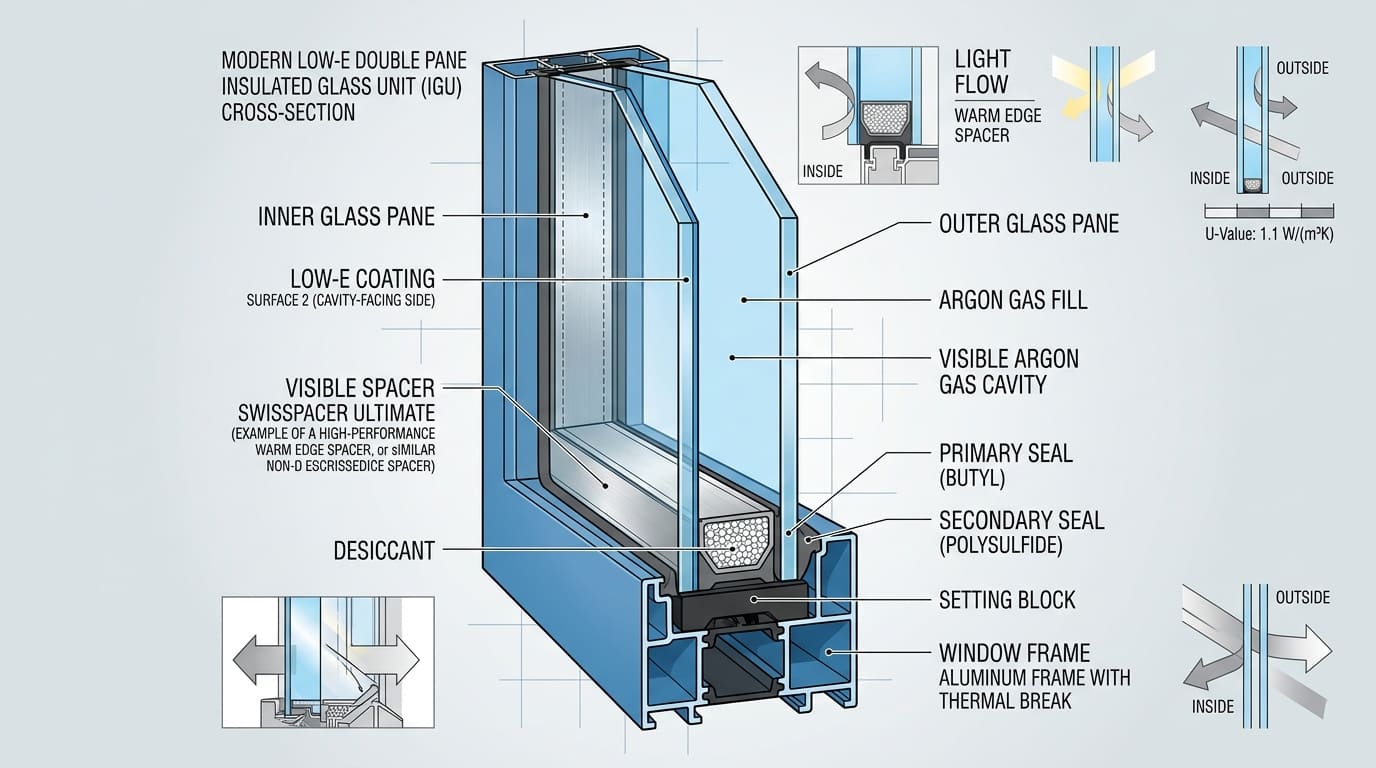
Current double-pane Low-E glass with argon fill achieves R-3.0 to R-4.0 — three to four times the insulating value of single-pane glass and nearly double the performance of older clear double-pane units. Triple-pane units with krypton fill and dual Low-E coatings can reach R-5.0 to R-6.0. The improvement is not just about R-value: solar-control Low-E coatings on south and west-facing windows reject 25 to 45 percent of incoming solar heat that would otherwise drive up cooling costs.
Real Savings Estimates
For a typical DMV home spending $3,000 to $5,000 annually on heating and cooling, windows represent roughly $750 to $1,500 of that total. Upgrading from single-pane to double-pane Low-E argon reduces the window component by 60 to 75 percent. Upgrading from failed clear double-pane to new Low-E argon reduces it by 30 to 50 percent. Even at the conservative end, a whole-home glass upgrade that saves $300 to $500 per year pays for itself within several years — then continues saving money for the remaining 15 to 20 years of the glass lifespan.
Tax Credits Sweeten the Deal
The Inflation Reduction Act provides a federal tax credit of up to 30 percent of the cost of qualifying energy-efficient window improvements, capped at $600 per year. This credit applies to glass that meets Energy Star North-Central climate zone specifications — which includes most of the Low-E argon products we install. The credit effectively reduces your out-of-pocket cost and accelerates the payback period.
Beyond Energy: Comfort and Value
Energy savings are quantifiable, but the comfort improvement from new glass is equally valuable. Rooms that were uncomfortably hot in summer or cold in winter become genuinely pleasant spaces. Hot spots near south-facing windows disappear. Drafts near older windows stop. And when you sell your home, the upgraded glass is a tangible selling point that buyers recognize and value — especially in the energy-conscious DMV market.
About the Author
Mike Reynolds
Lead Glass Technician & Owner
With over 15 years of experience in window and glass repair across the DC, Maryland, and Virginia area, Mike shares practical expertise to help homeowners and businesses make informed decisions about their glass repair and replacement needs.
Need Help With Your Glass?
Our experts are ready to help with any window or glass issue. Free estimates, same-day service available across DC, MD & VA.
Related Articles
Continue reading about energy efficiency
More Energy Efficiency
View All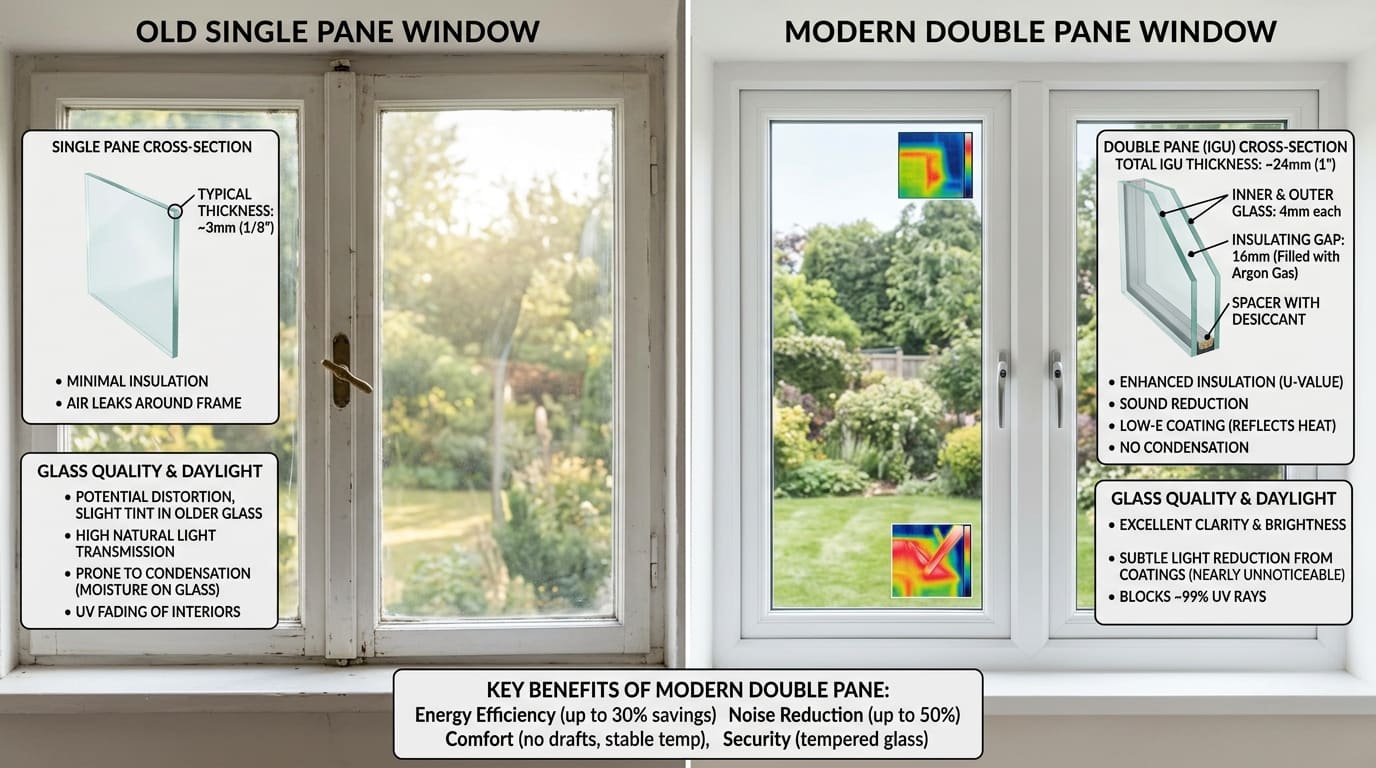
Explore More Resources
Helpful Guides
Common Problems
Related Pages
Our Services
24/7 Emergency
Board-Up & Glass
Licensed & Insured
DC, MD & VA
300+ Areas
DMV Coverage
Same-Day Service
When You Need It
Ready to Get Started?
Get a free estimate for any window or glass service across the DMV area.