Choosing Window Glass for Home Additions and Extensions in the DMV
A room addition is one of the most significant investments a DMV homeowner makes. The window glass choices you make for that addition will affect energy performance, comfort, and how well the addition integrates visually with your existing home for decades.
Mike Reynolds
Lead Glass Technician & Owner
In This Article
The Window Glass Decision in a Home Addition
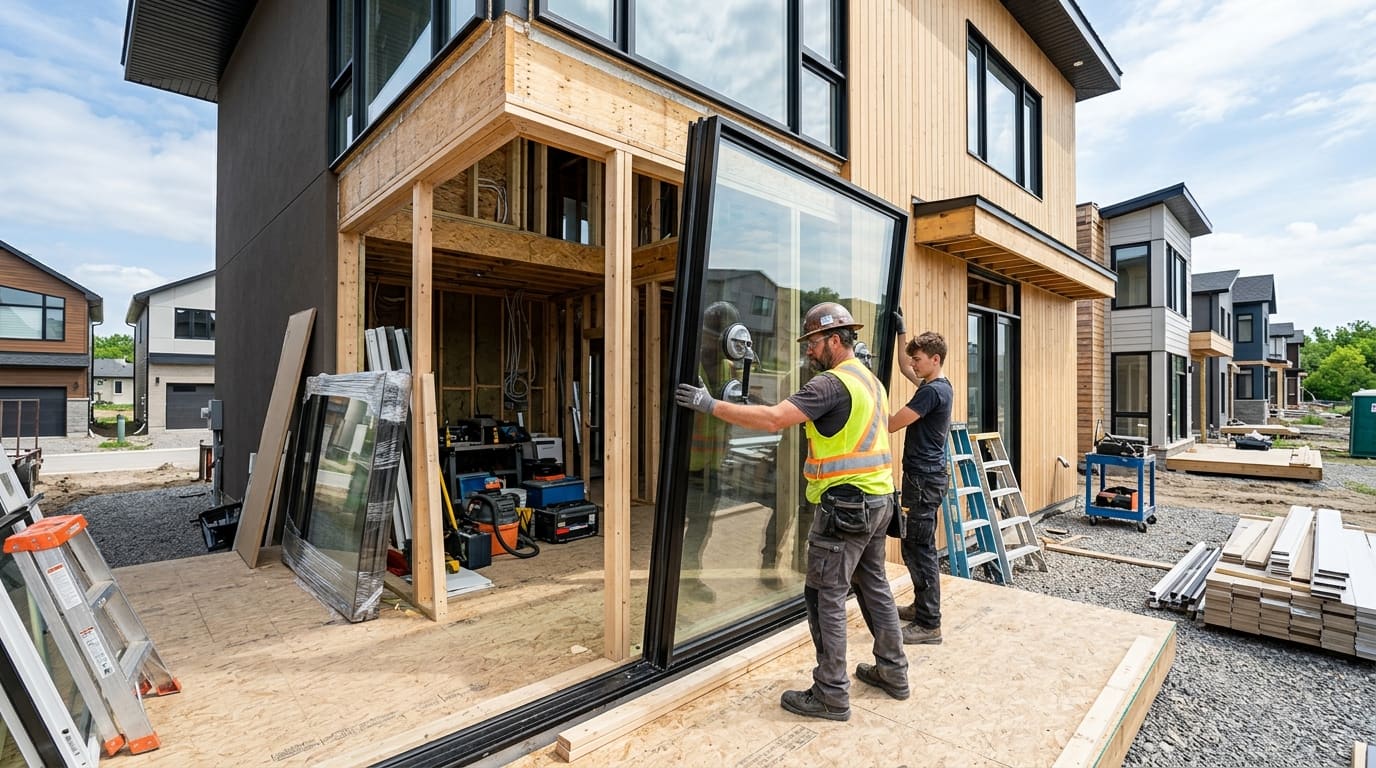
Home additions are booming across the DMV. In Montgomery County, Fairfax County, and throughout DC proper, where lot sizes limit the alternative of buying a larger home, additions — kitchen extensions, family room bumps, finished basement windows, second-floor additions over garages — are how families create the space they need without the cost of moving. And in these projects, window glass is one of the most consequential specification decisions, both for performance and for the visual integration between the addition and the original structure.
The window glass question in an addition project has two distinct components that are easy to conflate: the glass specification for energy performance, safety, and function, and the visual match between the new windows and the existing windows visible from the exterior. Getting both right requires thinking about them separately before combining them into a final specification.
Energy Code Requirements for New Construction Glass in the DMV
New construction and additions in DC, Maryland, and Virginia are all subject to current energy code requirements — not the code that was in effect when your existing home was built. The 2021 International Energy Conservation Code (adopted with local amendments across the DMV jurisdictions) specifies maximum U-factor and SHGC for residential fenestration in Climate Zone 4, which covers most of the DMV.
The code maximum for residential window U-factor in Climate Zone 4 is 0.30 (or 0.32 in some jurisdictions). The SHGC maximum for south-facing windows is typically 0.40, with trade-off paths available for prescriptive compliance. These are minimums — you can and should exceed them. The code represents the floor of acceptable performance, not the ceiling of smart specification.
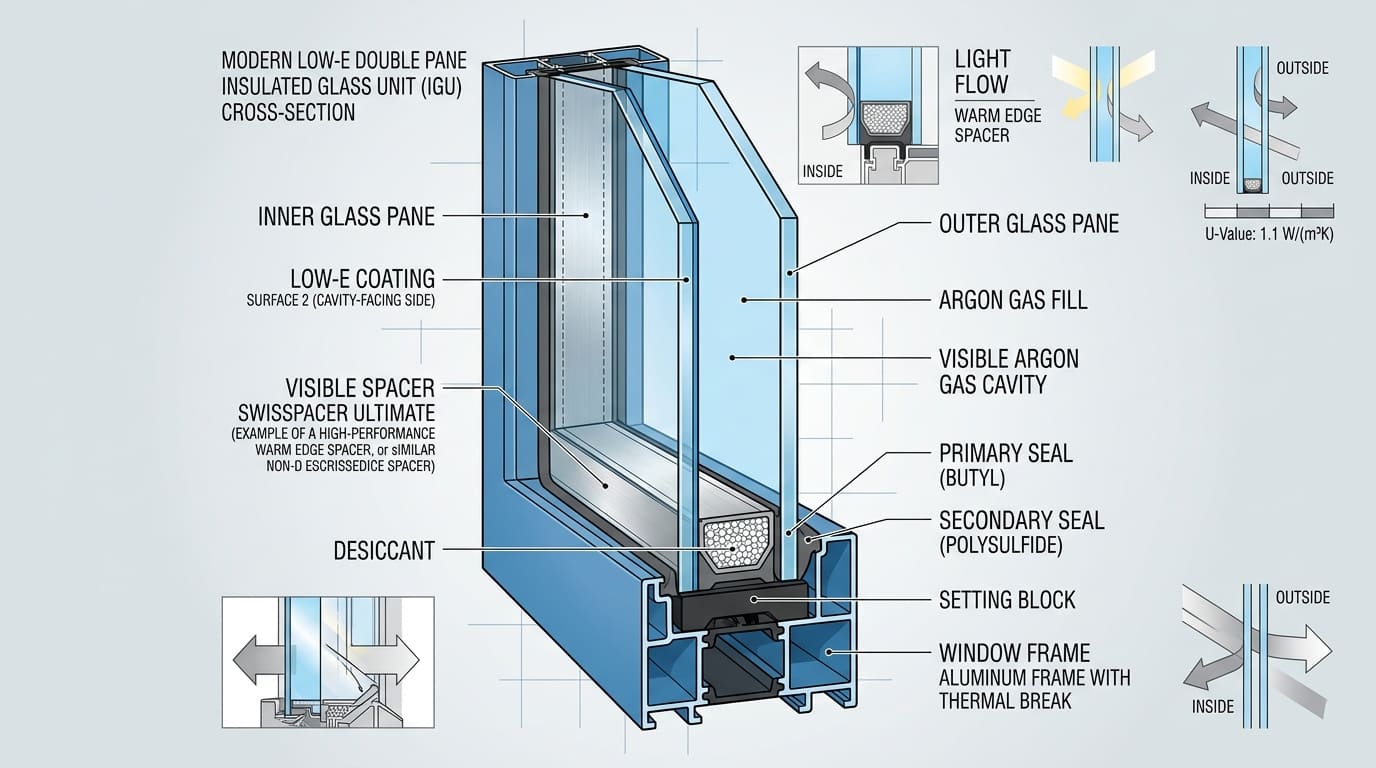
In practice, meeting energy code for an addition means specifying double-pane Low-E glass as a baseline. A quality double-pane Low-E argon unit typically achieves U-factor in the range of 0.22 to 0.28 and SHGC in the range of 0.22 to 0.35 depending on the coating specification — comfortably within code requirements. If you are upgrading existing windows in the original home at the same time as building the addition, aligning all new glass to the same specification is a good opportunity.
Matching the Visual Character of Existing Windows
In additions where the new windows are visible alongside original windows on the same facade or from the same vantage points, visual consistency matters significantly. The most common mismatch problem is reflectivity: highly reflective Low-E coatings on new windows look visually different from clear or lightly coated existing windows under certain lighting conditions. A row of five windows on a rear facade where three are original clear glass and two are new mirrored-appearance Low-E looks inconsistent and draws attention to the addition rather than integrating it.
Modern Low-E coatings have improved significantly in this area. Soft-coat (sputter-coated) Low-E on the interior surface of the outer glass lite is largely invisible from the exterior — it does not produce the blue-green tint that older reflective coatings did. This is the appropriate coating type for residential applications where visual character matters. Hard-coat (pyrolytic) Low-E is more durable but produces a slightly more visible tint. For addition windows that will be adjacent to existing clear glass, soft-coat Low-E on inner surface 3 is the specification that provides excellent performance with minimal visible difference from clear glass.
If the existing home has original single-pane wood sash windows — common in DC and inner-ring Maryland suburbs built before 1970 — the frame profile of new double-pane windows in an addition will necessarily differ from the original sash. Matching the muntin pattern, the exterior frame color, and the approximate sightline width helps visually tie the addition to the original structure even when the glass type is different. This is a conversation worth having with your architect and window supplier early in the design process.
Addition-Specific Glass Considerations
Certain addition types have glass requirements that standard window replacement does not. Sunroom additions are designed around glass and need careful specification for solar control, condensation resistance, and structural glazing loads. The large glass areas in a sunroom addition — typically 60 to 80 percent glazed — make solar heat gain and thermal performance far more critical than in a standard room with standard window-to-wall ratio.
For sunroom additions in the DMV, the south and west walls (and roof, if the addition has a skylight or glass roof section) should be specified with low-solar-gain Low-E (SHGC 0.20 to 0.25) to manage summer heat load. Without this, a south or west-facing sunroom addition in the DMV is functionally unusable for three months of the year because of overheating. We regularly consult on sunroom glass specifications that are having performance problems — and most of them are problems that the right Low-E specification would have prevented.
Basement addition windows — window wells with below-grade windows — require attention to moisture and condensation management. Below-grade glass surfaces run cold because of ground contact, and basement windows condense more readily than above-grade windows. Specifying double-pane Low-E glass for basement windows improves the condensation resistance (higher CR rating means warmer interior surface) and reduces the energy penalty of below-grade glazing. Proper window well drainage to prevent water accumulation against the glass is equally important.
Structural Glass in Addition Design
Architects designing additions sometimes specify structural glass elements — large fixed glass panels, glass corner conditions where two glass planes meet, glass walls — that go beyond standard window-in-frame construction. These applications require specific engineering and installation expertise. The glass specification for a structural glass element is driven by wind load calculations, span, glass size, and the structural support system. This is not a DIY or typical glass replacement situation — it requires engineered design and specialized installation.
We work with architects and contractors on structural glass elements in addition projects throughout the DMV. If your addition design includes any glass element beyond standard windows and doors in framed openings, contact us early in the design process to discuss specification and installation requirements. Getting structural glass right requires coordination from the design phase, not as an afterthought.
Planning Your Addition Glass Budget
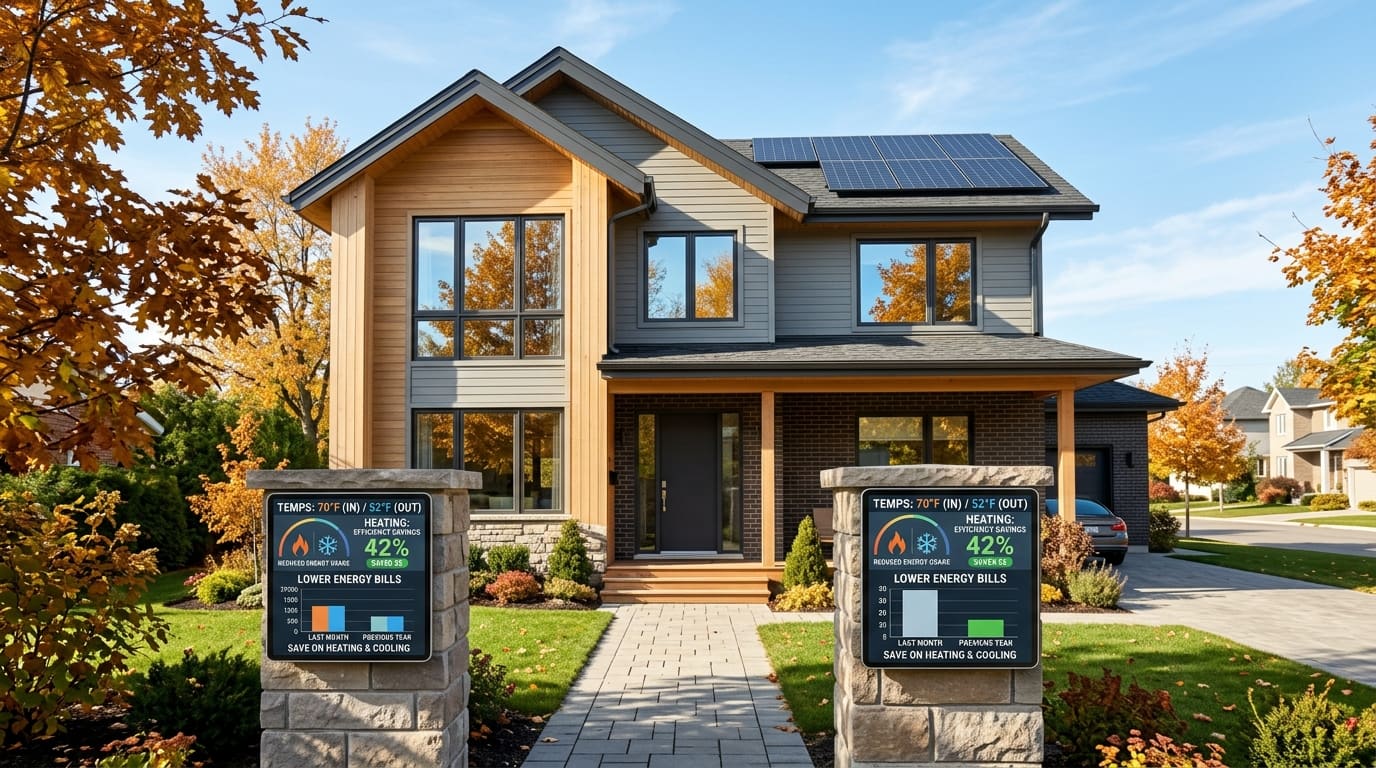
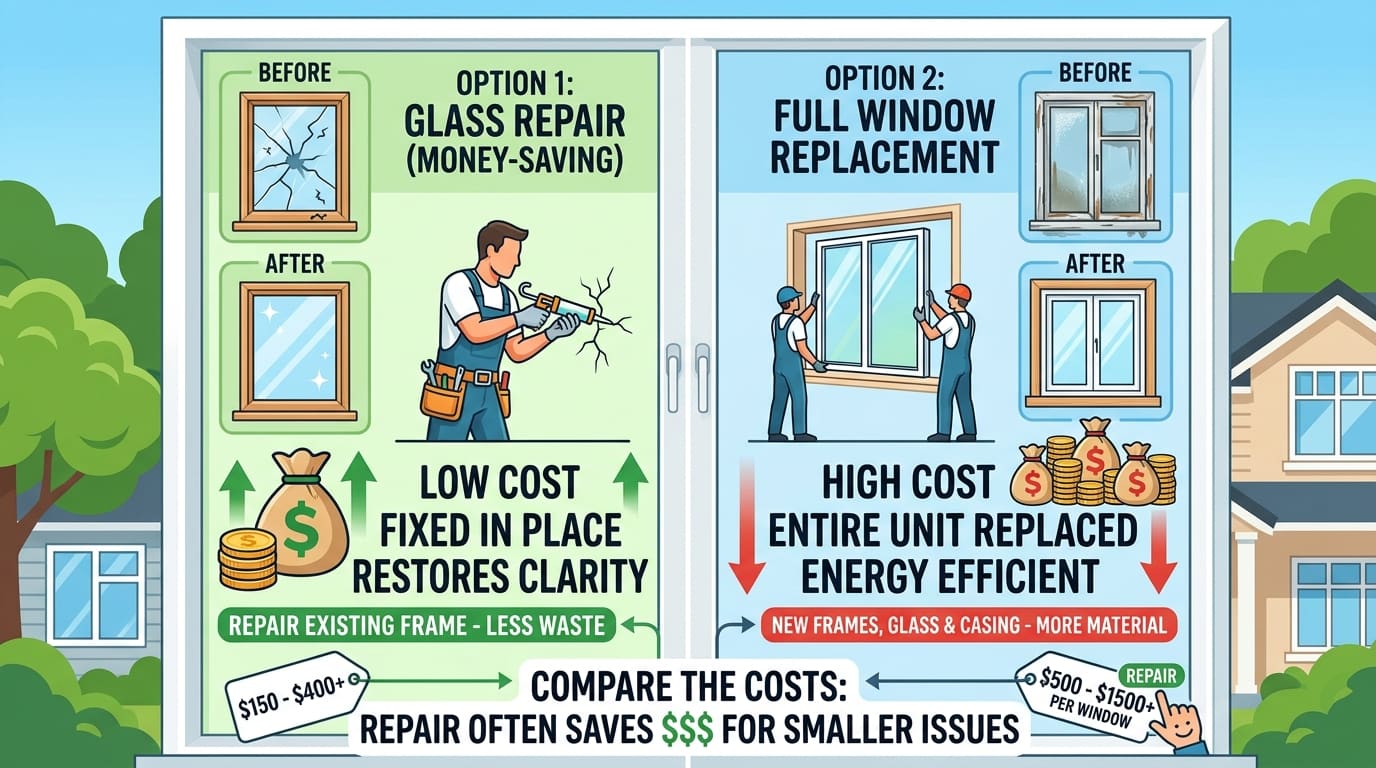
Glass in a home addition is typically a small percentage of total addition cost but a significant contributor to the addition's long-term performance. The right place to save money in an addition is not the glass — the energy cost penalty of under-specified glass accumulates every month for the life of the addition, while the upgrade cost from code-minimum to high-performance glass is relatively modest in the context of a full addition project.
Our role in addition projects is typically to provide the glass-only component — fabricating and installing the insulated glass units in frames supplied by the window manufacturer or the general contractor. If your addition is in design or planning stages, contact us to discuss glass specifications and pricing. For additions under construction, contact us at (703) 470-7867 to coordinate the glass supply and installation timeline with your project schedule.
About the Author
Mike Reynolds
Lead Glass Technician & Owner
With over 15 years of experience in window and glass repair across the DC, Maryland, and Virginia area, Mike shares practical expertise to help homeowners and businesses make informed decisions about their glass repair and replacement needs.
Need Help With Your Glass?
Our experts are ready to help with any window or glass issue. Free estimates, same-day service available across DC, MD & VA.
Related Articles
Continue reading about guides
 Energy Efficiency
Energy-Efficient Glass Upgrades for DMV Homes: Low-E, Argon & Beyond
 Energy Efficiency
NFRC Window Ratings Explained: What the Numbers Actually Mean for Your DMV Home
 Guides
Vinyl vs. Wood vs. Aluminum Windows: Which Frame Material Is Right for Your DMV Home?
More Guides
View All
How to Tell If Your Window Glass Needs Repair or Replacement
8 min read
Stress Cracks in Windows: Causes, Prevention & Solutions for DMV Homeowners
7 min read
Foggy Windows: Why Double-Pane Seals Fail & What to Do About It
9 min read
Glass Replacement in Historic DMV Homes: Preservation Meets Performance
9 min readExplore More Resources
Helpful Guides
Common Problems
Related Pages
Our Services
24/7 Emergency
Board-Up & Glass
Licensed & Insured
DC, MD & VA
300+ Areas
DMV Coverage
Same-Day Service
When You Need It
Ready to Get Started?
Get a free estimate for any window or glass service across the DMV area.