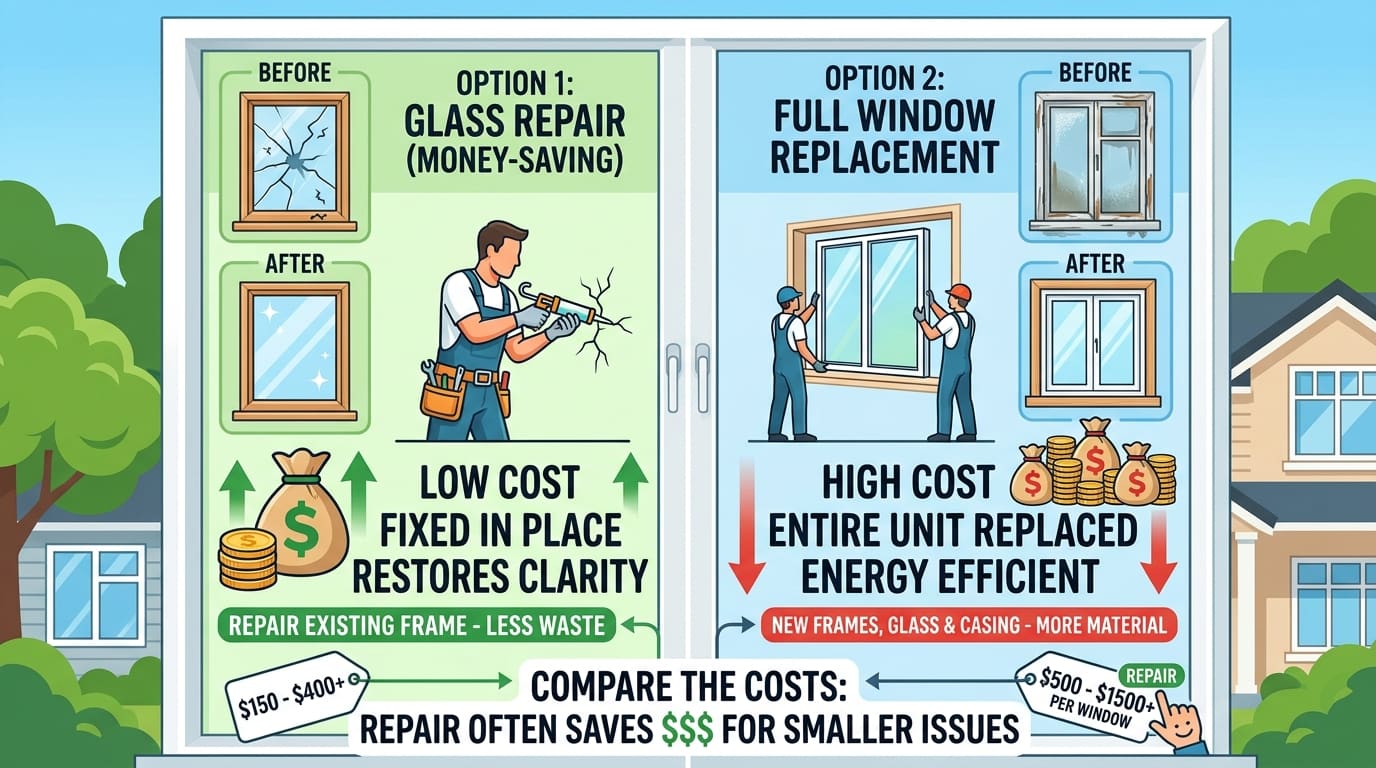
Vinyl vs. Wood vs. Aluminum Windows: Which Frame Material Is Right for Your DMV Home?
The frame material surrounding your glass shapes everything from energy performance to curb appeal to what happens when an ice storm hits. After years working on windows across DC, Maryland, and Virginia, here is my honest take on the three main frame materials.
Mike Reynolds
Lead Glass Technician & Owner
In This Article
Why Frame Material Matters Beyond Aesthetics
A lot of homeowners treat frame material as purely a cosmetic decision — wood looks traditional, vinyl looks modern, aluminum looks commercial. But the frame is half the window system. It affects thermal performance, air infiltration, long-term maintenance burden, how the glass is held in place, and how the window behaves under the specific stresses of the DMV climate. Getting the frame material wrong means either overpaying for maintenance you did not expect or under-performing on energy efficiency in one of the more demanding mixed climates on the East Coast.
I have replaced glass in all three frame types in every neighborhood from Capitol Hill rowhouses to Potomac colonials to Arlington condos, and each material has a genuine use case. The key is matching the frame to the building, the owner's maintenance tolerance, and the specific performance priorities.
Vinyl Frames: The Practical Workhorse
Vinyl — technically uPVC, unplasticized polyvinyl chloride — became the dominant residential window frame material in the DMV over the past three decades for straightforward reasons: it does not rot, it does not need painting, it does not corrode, and it insulates reasonably well. A vinyl frame with hollow chambers filled with foam insulation achieves thermal performance that wood-frame windows often struggle to match without added cost.
In the DMV's humid summers, vinyl's moisture resistance is a real advantage. Wood frames on homes near Rock Creek Park, along the Chesapeake tributaries in Maryland, or in shaded lots in Northern Virginia see moisture-related deterioration that vinyl simply does not experience. Vinyl does not support mold or rot, and the vinyl itself does not absorb water the way wood does.
The downsides are real but manageable. Vinyl expands and contracts more than other materials with temperature change — which in the DMV means meaningful movement across a 120-degree seasonal range. Quality vinyl windows address this with reinforced frames and proper expansion clearances; cheap vinyl windows develop rattles, air infiltration, and warped sashes over time when the expansion cycling has not been properly accommodated. Low-quality vinyl also yellows and becomes brittle with UV exposure. Name-brand vinyl windows from manufacturers with proper UV stabilizers hold up far better than bargain units.
Vinyl frames limit color choices — white, tan, and a handful of earth tones cover most of the vinyl palette. Custom colors exist but at significant premium. For homes in neighborhoods with strict HOA color requirements or historic district guidelines, vinyl color limitations can be a real constraint. In many DC-area historic districts, vinyl replacement windows are prohibited outright on primary facades regardless of color.
Wood Frames: The Performance and Preservation Standard
Wood remains the frame material of choice for historic preservation work, high-end custom construction, and homeowners who want the full range of paint or stain customization. Wood frames in Georgetown, Capitol Hill, Cleveland Park, and the older sections of Bethesda and Alexandria represent original construction that historic preservation guidelines require to be maintained or replaced in kind.
A properly maintained wood window is a high-performance product. Wood's natural thermal properties are better than aluminum. Modern wood windows typically feature aluminum or vinyl exterior cladding that eliminates exterior painting while preserving the wood's structural and aesthetic properties. Interior wood surfaces can be painted or stained in any color, which vinyl cannot match.
The maintenance requirement is the honest disadvantage. Uncladded wood windows require periodic repainting and glazing compound maintenance. The glazing compound — the putty that holds the glass in the frame on single-pane wood sash windows — dries out and cracks over 10 to 20 years and needs re-glazing. We regularly re-glaze windows on Capitol Hill and Georgetown rowhouses where the original wood sash is worth preserving but the glazing compound has deteriorated. If you are not prepared for this maintenance, a wood window becomes a problem window. If you are, it can last 50 to 100 years with proper care.
For glass replacement in wood frames, the work is straightforward — we remove the old glazing compound, extract the glass, set the new glass in glazing compound or a bed of sealant, and re-glaze. The wood frame itself is typically in good condition and worth preserving. See our window glass repair service for details on what we can accomplish working within existing wood frames.
Aluminum Frames: Commercial Performance in Residential Applications
Aluminum frames dominated commercial construction for decades and remain the standard for storefronts, curtain walls, and commercial glass systems. In residential applications, aluminum fell out of favor for standard windows due to thermal bridging — aluminum conducts heat far too readily, creating cold spots in the frame that promote condensation and increase heat loss significantly.
Modern aluminum windows address this with thermal break construction: a plastic or rubber barrier between the interior and exterior aluminum sections that interrupts the thermal conduction path. Thermally broken aluminum windows perform comparably to vinyl in thermal resistance and dramatically outperform non-thermal-break aluminum. For applications where strength, slim sightlines, or the specific aesthetic of aluminum framing is important — large-format glazing, modern architecture, commercial storefronts — thermally broken aluminum is the right choice.
Non-thermally-broken aluminum is appropriate for unheated structures, carports, garage windows, and commercial storefront applications where thermal performance is managed separately. We see a lot of older aluminum single-pane storefront glass in DC's commercial corridors — Columbia Heights, H Street NE, 14th Street — and the glass-only replacement work we do in those frames is straightforward even when the frames are decades old.
The Frame-Glass Interface: What Changes by Frame Type
The way glass is held in the frame varies meaningfully by material, and this affects glass replacement work. Wood frames use glazing compound or modern sealant tape to bed the glass. Vinyl frames use a compression gasket system. Aluminum frames use a combination of glazing tape, gaskets, and sometimes aluminum stops. Each system requires specific techniques and materials to achieve a proper seal and correct glass retention.
When we replace glass in any frame type, we use the appropriate bedding and retention system for that frame. Improperly bedded glass — glass set with the wrong compound in a vinyl frame, or a gasket that does not seat correctly in an aluminum frame — is one of the more common sources of premature seal failure in replaced glass. This is why glass replacement is not as simple as cutting a new piece of glass and putting it in — the installation details matter as much as the glass specification. Submit photos of your window and we will assess both the glass condition and the frame condition as part of the estimate.
Making the Decision for Your DMV Home
For most standard residential replacement windows in the DMV where historic preservation is not a constraint: quality vinyl with foam-filled chambers is the pragmatic choice. It performs well, requires virtually no maintenance, and handles the DMV climate without issues.
For historic districts, older homes where original wood frames are worth preserving, or homeowners who want full color customization: wood with aluminum or vinyl exterior cladding is worth the investment. Budget for the appropriate maintenance interval.
For modern architecture, large-format glazing, or commercial storefront applications: thermally broken aluminum delivers the strength and slim sightlines these applications require without the thermal bridging problems of older aluminum systems.
Whatever frame type you have, the glass inside it can be upgraded at any point — glass replacement does not require frame replacement. Contact us at (703) 470-7867 or send us photos to discuss what your specific windows need.
About the Author
Mike Reynolds
Lead Glass Technician & Owner
With over 15 years of experience in window and glass repair across the DC, Maryland, and Virginia area, Mike shares practical expertise to help homeowners and businesses make informed decisions about their glass repair and replacement needs.
Need Help With Your Glass?
Our experts are ready to help with any window or glass issue. Free estimates, same-day service available across DC, MD & VA.
Related Articles
Continue reading about guides
 Guides
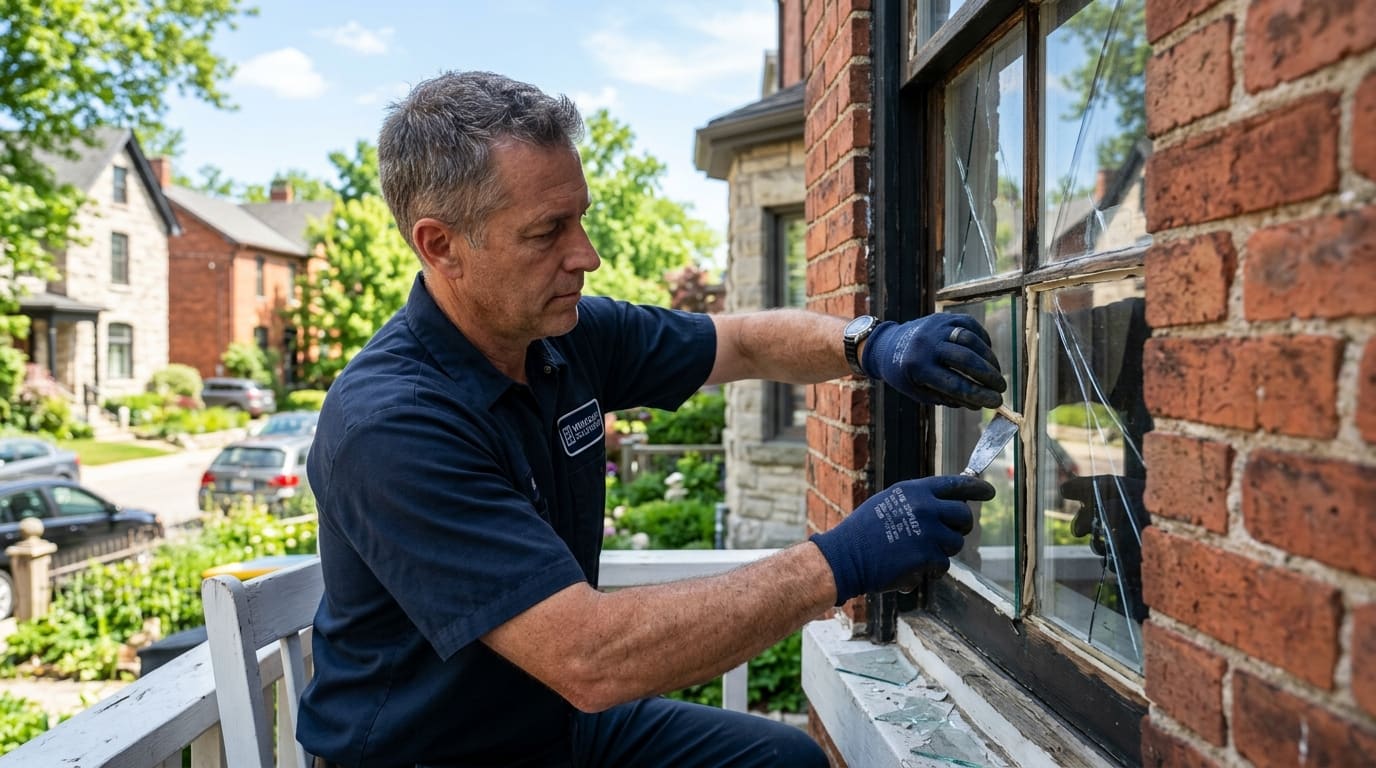
How to Tell If Your Window Glass Needs Repair or Replacement
 Energy Efficiency
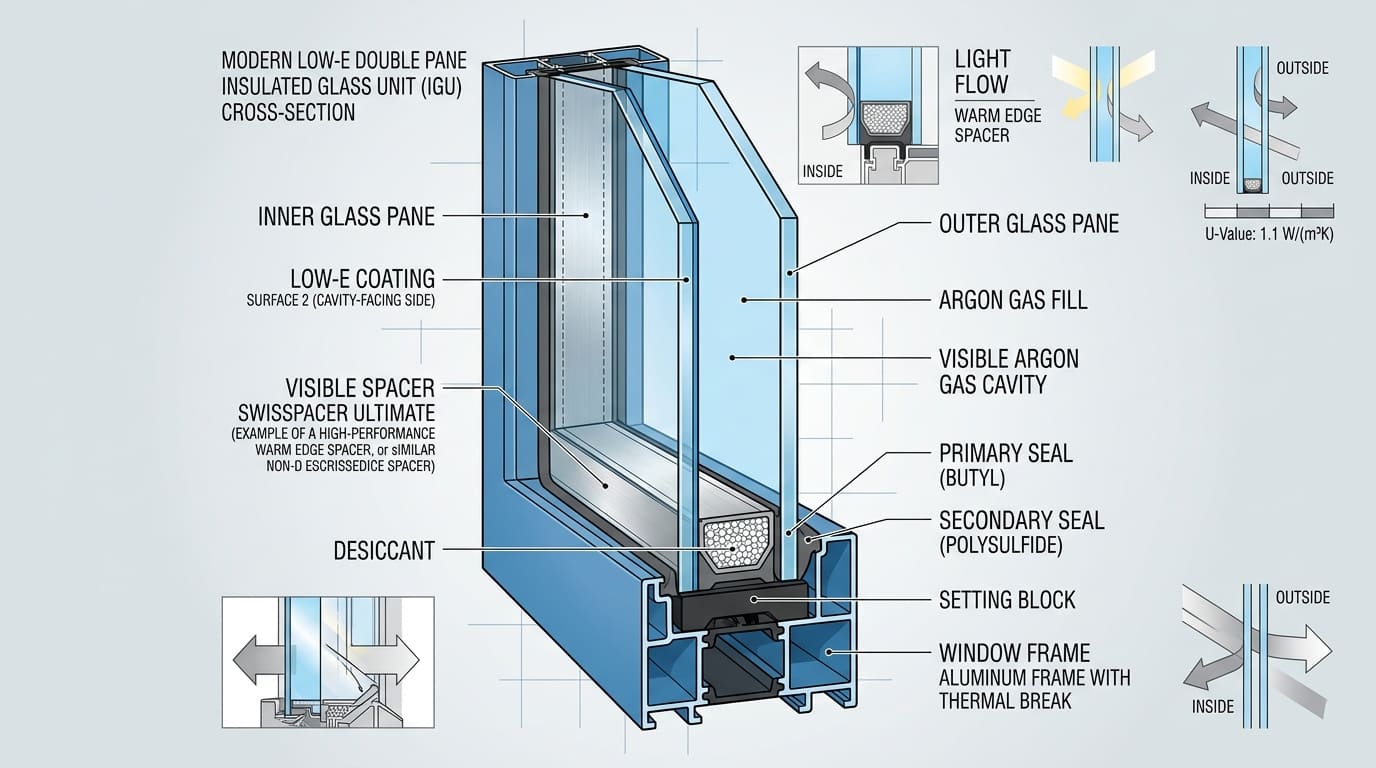
Energy-Efficient Glass Upgrades for DMV Homes: Low-E, Argon & Beyond
 Guides
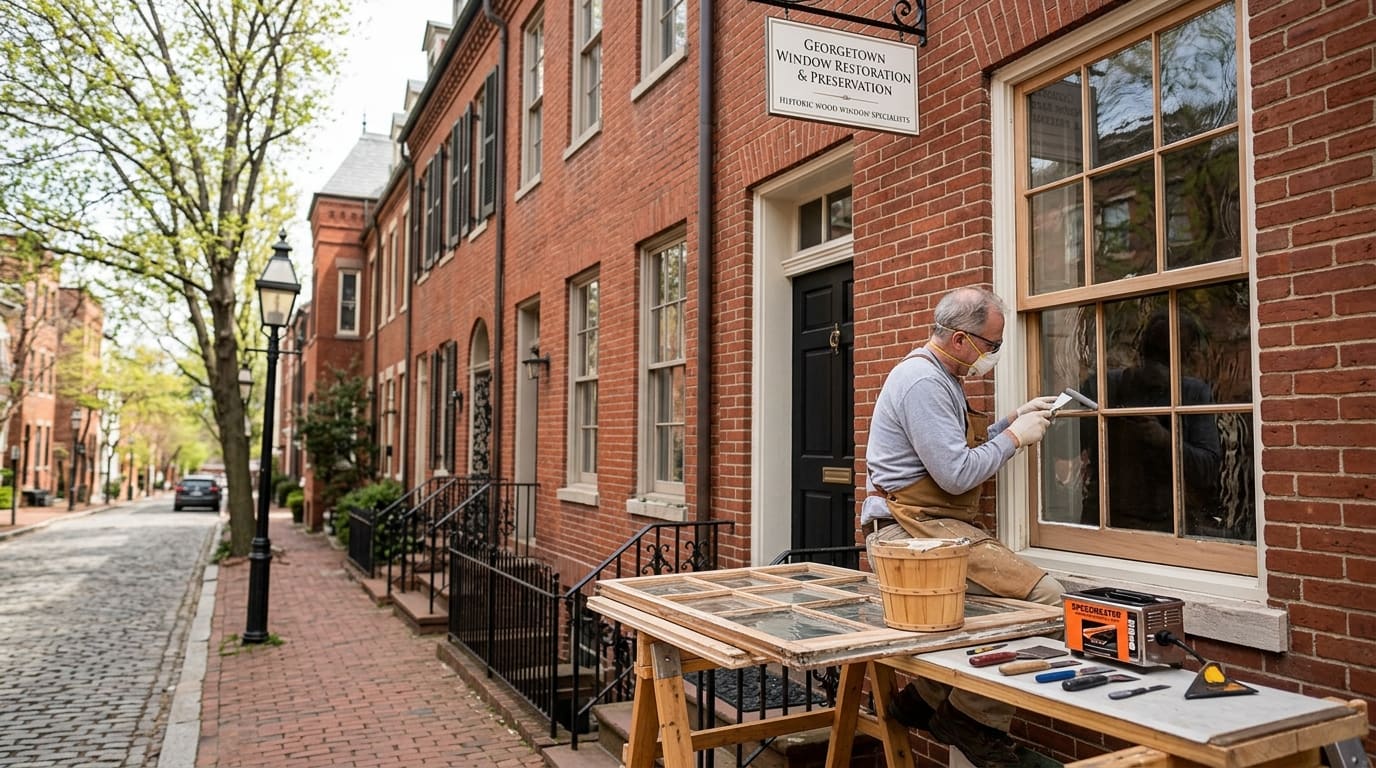
Window Glass in DC Historic Districts: Navigating Preservation Rules Without Sacrificing Performance
More Guides
View AllHow to Tell If Your Window Glass Needs Repair or Replacement
8 min read
Stress Cracks in Windows: Causes, Prevention & Solutions for DMV Homeowners
7 min read
Foggy Windows: Why Double-Pane Seals Fail & What to Do About It
9 min readGlass Replacement in Historic DMV Homes: Preservation Meets Performance
9 min readExplore More Resources
Helpful Guides
Common Problems
24/7 Emergency
Board-Up & Glass
Licensed & Insured
DC, MD & VA
300+ Areas
DMV Coverage
Same-Day Service
When You Need It
Ready to Get Started?
Get a free estimate for any window or glass service across the DMV area.