Storm-Damaged Glass in the DMV: A Step-by-Step Guide for Homeowners
A storm-broken window in the DMV needs to be handled in the right order: safety first, documentation second, temporary protection third, professional repair fourth. Here is exactly how to handle it from the moment you hear that breaking glass.
Mike Reynolds
Lead Glass Technician & Owner
In This Article
The DMV Storm Damage Reality
The Washington DC area sees a wide range of storm types that damage glass throughout the year. Winter nor'easters bring wind-driven sleet and ice. Spring and summer thunderstorms — some severe, with gusts exceeding 60 mph — throw debris that shatters windows with alarming frequency. Late summer and early fall bring tropical moisture systems and occasional remnant hurricane winds that can push storm damage into neighborhoods that rarely see it. I have replaced storm-damaged glass after every type of weather event the region produces, and the homeowners who handle the aftermath best are the ones who know the right sequence before it happens to them.
The two most common storm glass damage scenarios we respond to: flying debris impact from a severe thunderstorm, and hail impact (hail large enough to break window glass is less common in the DMV than in the Midwest but does occur during strong spring and summer storms). Both require the same initial response.
Immediate Steps: Safety First
The moment glass breaks, the priority is personal safety before anything else. Large broken glass edges are capable of causing severe lacerations from incidental contact. Do not touch broken glass with bare hands. If glass has shattered on a surface where people walk, keep everyone away from the area until it is cleaned up.
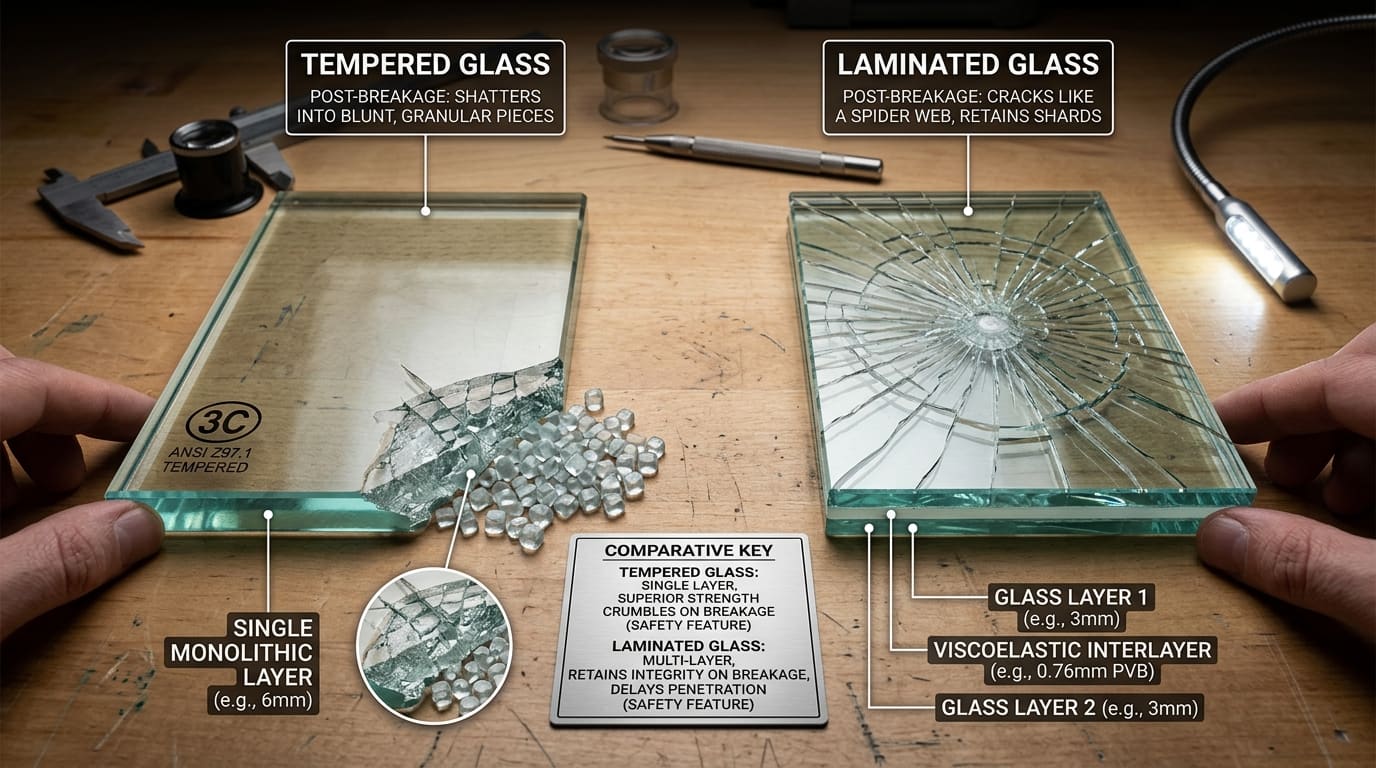
If the break created large hanging shards in the frame — which often happens with annealed or laminated glass that has cracked but not fully collapsed — do not attempt to remove them without thick work gloves and eye protection. Hanging shards in a storm-damaged window can shift and fall suddenly, particularly as wind moves through the opening. If the break happened during an active storm, step back from the opening entirely — wind-driven rain through a broken window can push remaining glass pieces unexpectedly.
For ground-floor openings, assess whether the home's security is immediately compromised. An opening accessible from ground level in an unmonitored location needs to be covered or watched until it can be secured. This is when to call our emergency line at (703) 470-7867 — we provide 24/7 emergency board-up service throughout DC, Maryland, and Virginia for exactly this situation.
Documenting the Damage for Insurance
Before anything is cleaned up or covered, document thoroughly. Insurance adjusters need photographic evidence of the damage in its original state, and good documentation protects your claim. Take photos of: the broken window from both interior and exterior perspectives; the surrounding area showing any debris that caused the break; other storm damage visible from the same vantage points (hail-damaged siding, damaged landscaping) that helps establish the storm event as the cause; and the full context of the window within the room, including any interior damage from water intrusion through the broken opening.
Note the time the damage occurred as precisely as you can — your insurance company will correlate this with weather service records of the storm event. If debris is visibly lodged in the frame or nearby, photograph it before removing it. For claims involving multiple windows or structural glass damage, it is worth requesting an in-person adjuster visit rather than submitting a photo-only claim — adjusters who see damage in person are better positioned to fully document and value the claim.
Do not discard broken glass until you have confirmed your insurance company does not need to inspect it. For significant claims, the insurer may want to verify the break pattern — particularly in cases where the cause might be disputed. Keep broken glass pieces in a bag or box in a secure location until the claim is settled.
Temporary Protection: Boarding Up Correctly
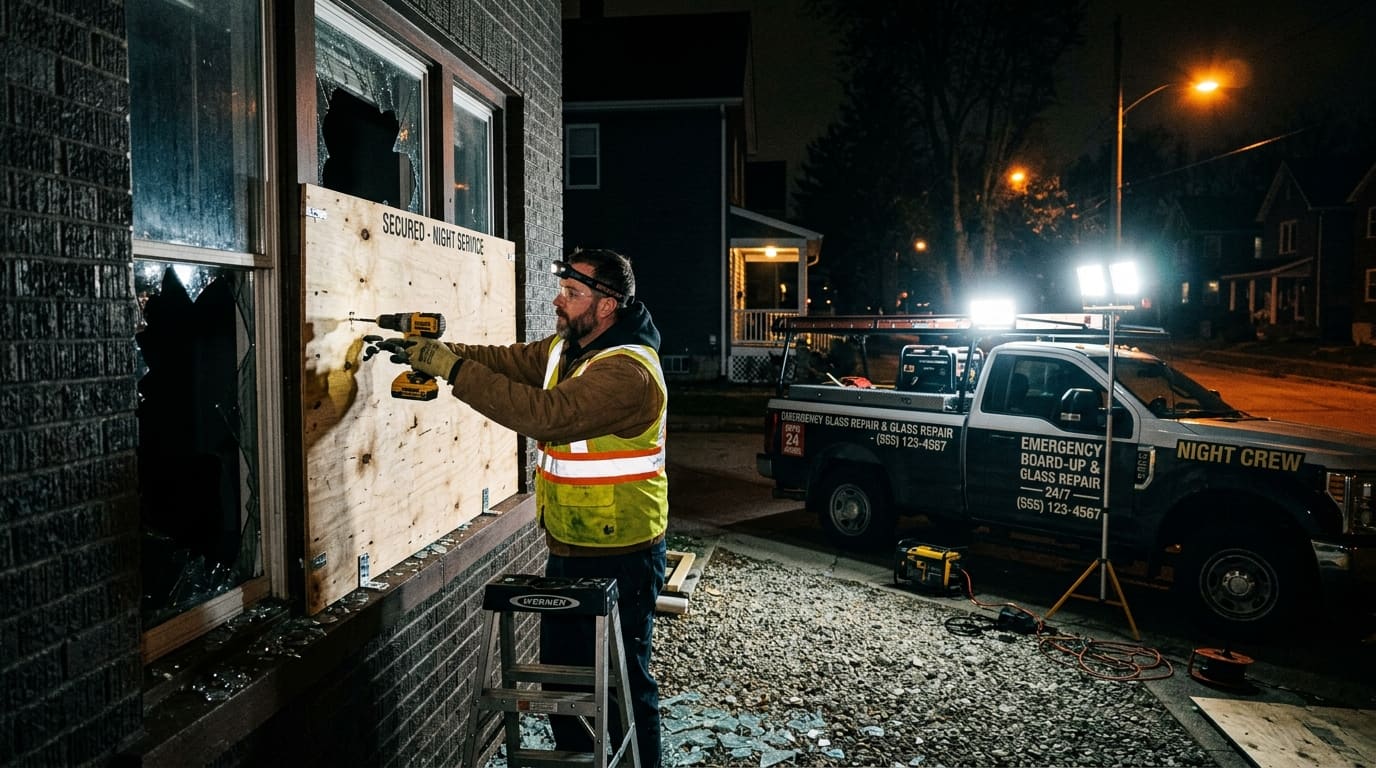
Temporary weather protection is necessary as soon as documentation is complete. The goal is to prevent further water intrusion, keep insects and pests out, and provide minimal security for the opening until glass can be replaced. Speed matters — an unprotected opening during ongoing rain or the subsequent night creates secondary water damage that compounds the original storm damage significantly.
For temporary boarding, use 1/2-inch or 3/4-inch plywood cut to overlap the frame on all sides by at least 2 inches. Secure it to the exterior frame with screws rather than nails — screws hold better and are easier to remove cleanly when the permanent glass arrives. If plywood is not available, heavy-duty plastic sheeting (6-mil polyethylene) secured with furring strips screwed to the frame provides weather protection for 24 to 48 hours. Do not use standard garbage bags — they tear in wind and do not provide adequate weather protection.
Our emergency board-up service handles this step professionally using the correct materials and methods. For multi-window damage or any situation where a homeowner is not comfortable working with ladder and power tools, it is worth calling us to do it correctly rather than improvising a board-up that fails during subsequent rain.
Assessing Secondary Damage
A broken window creates a water intrusion path, and water damage to walls, ceilings, flooring, and furniture compounds quickly. After boarding the opening, assess for water intrusion through the broken window. Check the wall below and adjacent to the window opening for moisture. Check the floor or sill for standing water. If rain entered the room before the board-up, move furniture and textiles away from the affected area and begin drying immediately — fans and dehumidifiers are appropriate and should be running within the first few hours. Wet drywall that remains wet for 24 to 48 hours is at risk for mold initiation.
If water intrusion appears to have reached ceiling materials above the window, check the ceiling below for discoloration or sagging. A water-saturated ceiling can fail suddenly and unexpectedly — if you see significant ceiling moisture above a storm-damaged window opening, be cautious about standing directly under it until the area can be assessed.
Getting the Glass Replaced: What to Expect
Storm damage glass replacement follows the same process as any glass replacement, but with some additional considerations. If the frame was damaged by the impact, the glass replacement needs to account for frame repair or replacement as well. Impact damage sometimes chips, cracks, or deforms window frames — particularly vinyl and aluminum frames — in ways that need to be addressed before new glass is installed. We assess frame condition as part of every storm damage job and advise on whether the frame can be repaired in place or needs replacement.
Lead times for storm damage replacement depend on glass availability and current demand. Standard glass replacement can often be completed within 24 to 48 hours for common sizes. Custom-size glass, specialty glass types, or large-volume multi-window damage from a regional storm event may require longer lead times. Calling early — as soon as the immediate safety and documentation steps are complete — gets you on the schedule sooner.
For insurance-covered replacements, we provide detailed written estimates that document the glass type, dimensions, and work scope in the format insurance adjusters require. We work with adjusters regularly and know what documentation they need to process glass replacement claims efficiently. Call (703) 470-7867 or send us photos of the damage to start the process.
About the Author
Mike Reynolds
Lead Glass Technician & Owner
With over 15 years of experience in window and glass repair across the DC, Maryland, and Virginia area, Mike shares practical expertise to help homeowners and businesses make informed decisions about their glass repair and replacement needs.
Need Help With Your Glass?
Our experts are ready to help with any window or glass issue. Free estimates, same-day service available across DC, MD & VA.
Related Articles
Continue reading about guides
More Guides
View All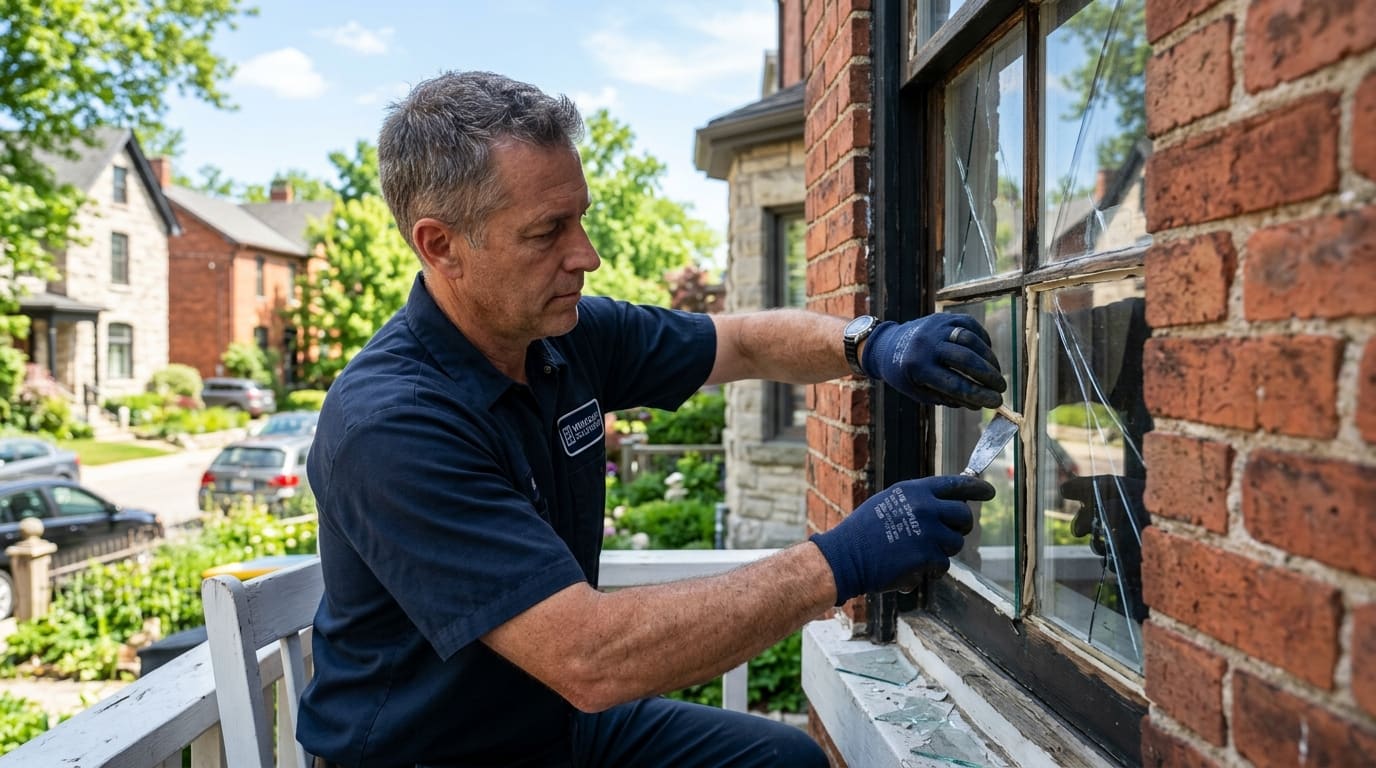
How to Tell If Your Window Glass Needs Repair or Replacement
8 min read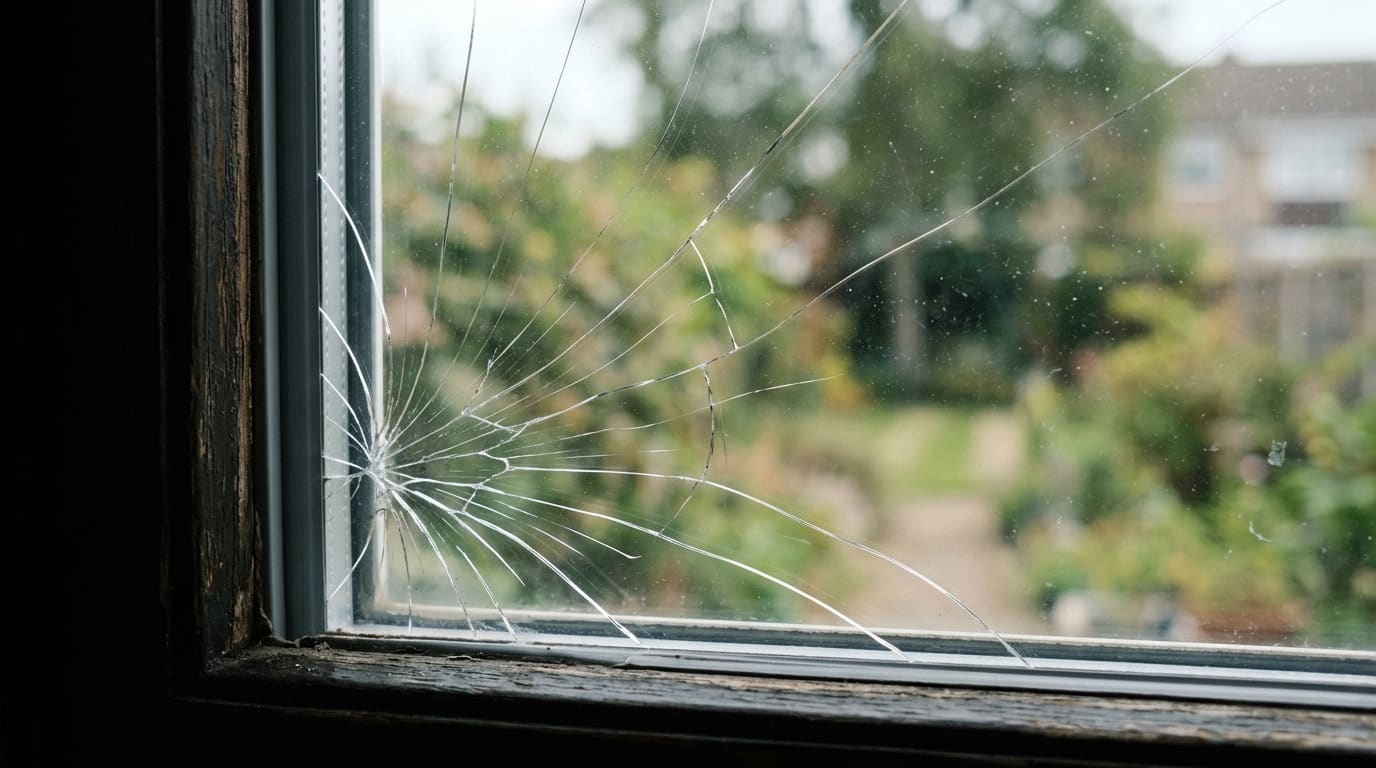
Stress Cracks in Windows: Causes, Prevention & Solutions for DMV Homeowners
7 min read
Foggy Windows: Why Double-Pane Seals Fail & What to Do About It
9 min read
Glass Replacement in Historic DMV Homes: Preservation Meets Performance
9 min readExplore More Resources
Helpful Guides
Common Problems
Related Pages
Our Services
24/7 Emergency
Board-Up & Glass
Licensed & Insured
DC, MD & VA
300+ Areas
DMV Coverage
Same-Day Service
When You Need It
Ready to Get Started?
Get a free estimate for any window or glass service across the DMV area.