Child-Safe Glass Options for DMV Homes: What Every Parent Should Know
Most homeowners do not think about glass safety until after an accident. As a technician who has seen what standard annealed glass does when a child falls against it, I would rather you think about it before. Here is the complete picture on child-safe glass for DMV homes.
Mike Reynolds
Lead Glass Technician & Owner
In This Article
The Real Risk of Standard Glass in Family Homes
Standard annealed glass — the clear float glass in most older residential windows, doors, and sidelights — breaks into large sharp-edged shards when impacted. An adult falling against a window, a child throwing a toy, or a ball thrown indoors can produce exactly the kind of impact that causes annealed glass to break, and the resulting shards are capable of causing severe lacerations and worse.
Emergency room data consistently shows that glass-related injuries are among the most common home accidents involving children. The specific locations are predictable: glass doors (especially sliding patio doors), sidelights flanking entry doors, large windows in playrooms and family rooms at or below knee height, shower enclosures, and stair railings with glass panels. These are the locations where children are most likely to be active nearby and where the consequences of glass breakage are most serious.
What the Building Code Requires: Safety Glazing Zones
Building codes in DC, Maryland, and Virginia (all following the International Residential Code with local amendments) require safety glazing — either tempered or laminated glass — in specific hazardous locations. These include: all glass doors and door sidelights within 24 inches of the door edge and below 60 inches in height; any glazing within 18 inches of a floor; large windows within 36 inches of a door; shower and tub enclosures; stair railings; and any glazing in a hazardous location as defined by the code.
The problem is that code requirements apply to new construction and renovation permits — they do not retroactively apply to existing windows and doors installed before current code, or to glass that has never been permitted. Many older DMV homes, particularly the brick rowhouses of Capitol Hill and Shaw, the colonials of Bethesda and Chevy Chase, and the split-levels of Northern Virginia, still have annealed glass in locations that new construction would require to be safety glazed. You may be living with a code-non-compliant safety hazard without knowing it.
Tempered Glass: The Code Standard for Safety
Tempered glass is the most common safety glazing type in residential construction. It is manufactured by heating standard glass to approximately 1,200 degrees Fahrenheit and then rapidly cooling it, which creates a surface compression that makes the glass approximately four times stronger than annealed glass of the same thickness.
When tempered glass does break, it shatters into small, relatively blunt-edged pieces rather than large sharp shards — this is the property that makes it a safety glass. The small pieces cause far less severe injuries than the long sharp shards of broken annealed glass. Tempered glass is the baseline safety glass for shower enclosures, entry door sidelights, patio doors, and most other hazardous glazing locations in residential construction.
Important limitation for families: tempered glass, when it breaks, still breaks completely and suddenly. All of the small pieces fall to the floor simultaneously, leaving a completely open frame. If a child falls through a tempered glass door or window, the opening is immediately exposed even though the individual glass pieces are less sharp. For locations where a child might fall through rather than just against glass — such as upper-story windows, deck railings, and some staircase applications — this is a relevant consideration.
Laminated Glass: The Superior Child Safety Option
For the locations where children could potentially fall through glass rather than just into it, laminated glass is the safer specification than tempered. When laminated glass breaks, the interlayer holds the broken pieces together — the glass cracks but stays in the opening. A child who falls against laminated glass may break the glass but will not fall through it, and the hazard from loose glass shards is eliminated entirely because all fragments remain bonded to the interlayer.
Laminated glass is required by code for certain higher-risk locations: structural glass floors, exterior balcony railings, and some overhead glazing applications. But even in locations where tempered glass meets code, laminated glass provides a meaningful additional margin of child safety — particularly for high-traffic family areas, playrooms at ground level, and any window near which children regularly play.
From a practical standpoint in DMV homes, the locations where I recommend parents consider upgrading from tempered to laminated glass are: large glass panels in family rooms and playrooms at or below knee height; sliding patio doors where the entire glass panel is in the fall path; glass panels in stair railings and balustrades; and large window areas in upper floors accessible to climbing children. Laminated glass also provides security benefits that make the upgrade even more cost-effective.
Window Fall Prevention: The Glass Component
Window fall injuries are one of the most serious glass-related risks for young children, particularly in multi-story urban homes. DC, Bethesda, and Arlington are full of rowhouses and apartment buildings where upper-story windows are low enough for a child to lean against and potentially fall through.
Window guards and window stops that limit how far a window can open are the primary fall prevention measure — these are separate from glass type. But the glass type matters if a child does fall against the glass before going through an open window: laminated glass in upper-story windows provides both the fall barrier (it holds together if broken) and reduces the breakage-from-normal-play risk compared to standard glass.
Maryland requires window guards in rental housing with children present above the second floor. DC has similar requirements for residential buildings. Virginia does not have statewide mandates but local jurisdictions vary. If you are a landlord or a homeowner with young children in upper-story units, check your local requirements and consider laminated glass as part of a comprehensive window safety approach.
Glass for Children's Bedrooms and Play Areas
Specific recommendations for family homes: any glass in a children's bedroom at or below 36 inches from the floor should be safety glazed — tempered at minimum, laminated preferred for the reasons described above. Playroom windows where children regularly run and play should be reviewed for glass type; if they contain standard annealed glass, upgrading to tempered or laminated is straightforward and relatively affordable as a glass-only replacement in the existing frame.
Sliding glass doors to patios, decks, and backyards — where children run indoors and outdoors frequently — should have clearly visible decals or frosted bands at child eye height so that children can distinguish the closed door from an open one. Tempered or laminated glass is appropriate for the glass itself; the decal prevents running-into-a-closed-door accidents that are one of the most common sources of glass injuries in family homes.
Call (703) 470-7867 or send us photos for a free safety assessment of your windows and glass doors. We will walk through your home's glass and identify any locations where safety glass upgrades would meaningfully reduce risk for your family.
About the Author
Mike Reynolds
Lead Glass Technician & Owner
With over 15 years of experience in window and glass repair across the DC, Maryland, and Virginia area, Mike shares practical expertise to help homeowners and businesses make informed decisions about their glass repair and replacement needs.
Need Help With Your Glass?
Our experts are ready to help with any window or glass issue. Free estimates, same-day service available across DC, MD & VA.
Related Articles
Continue reading about safety
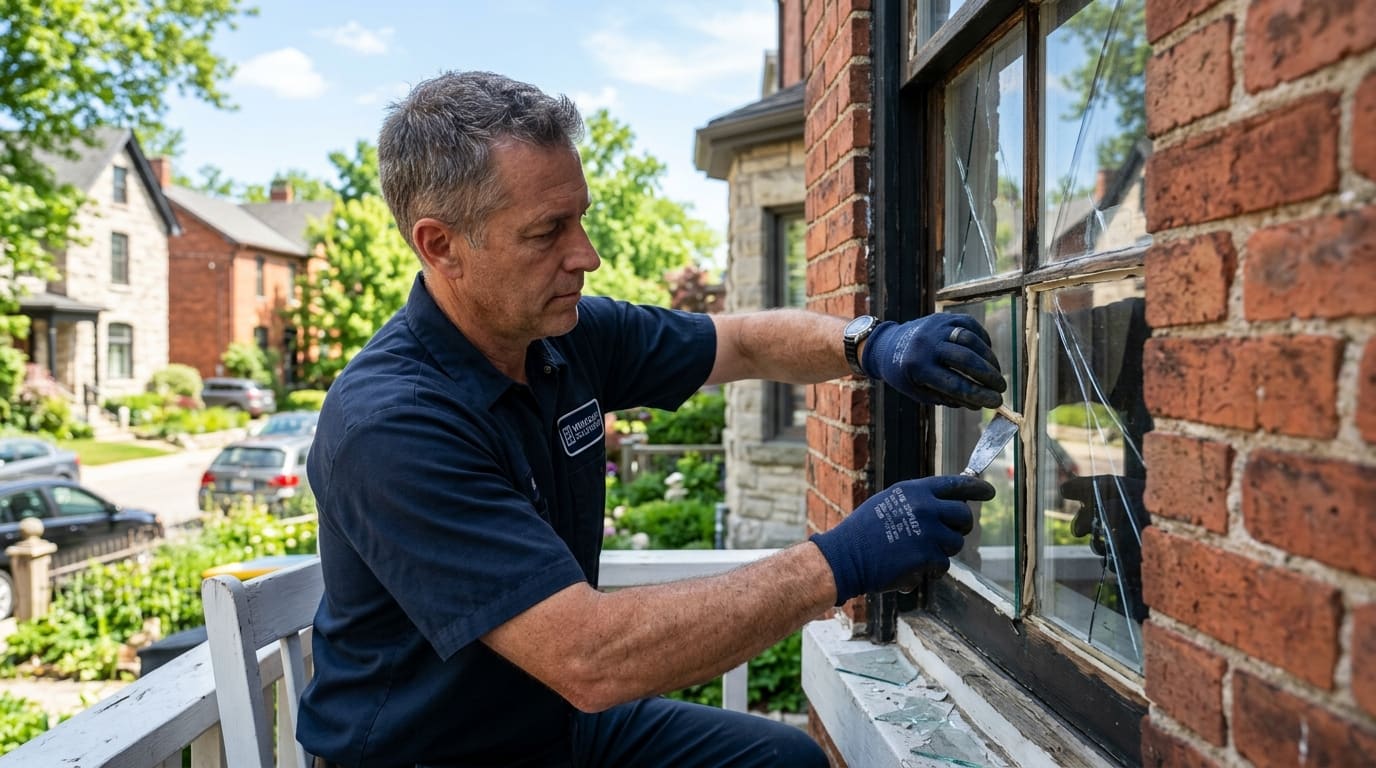
More Safety
View All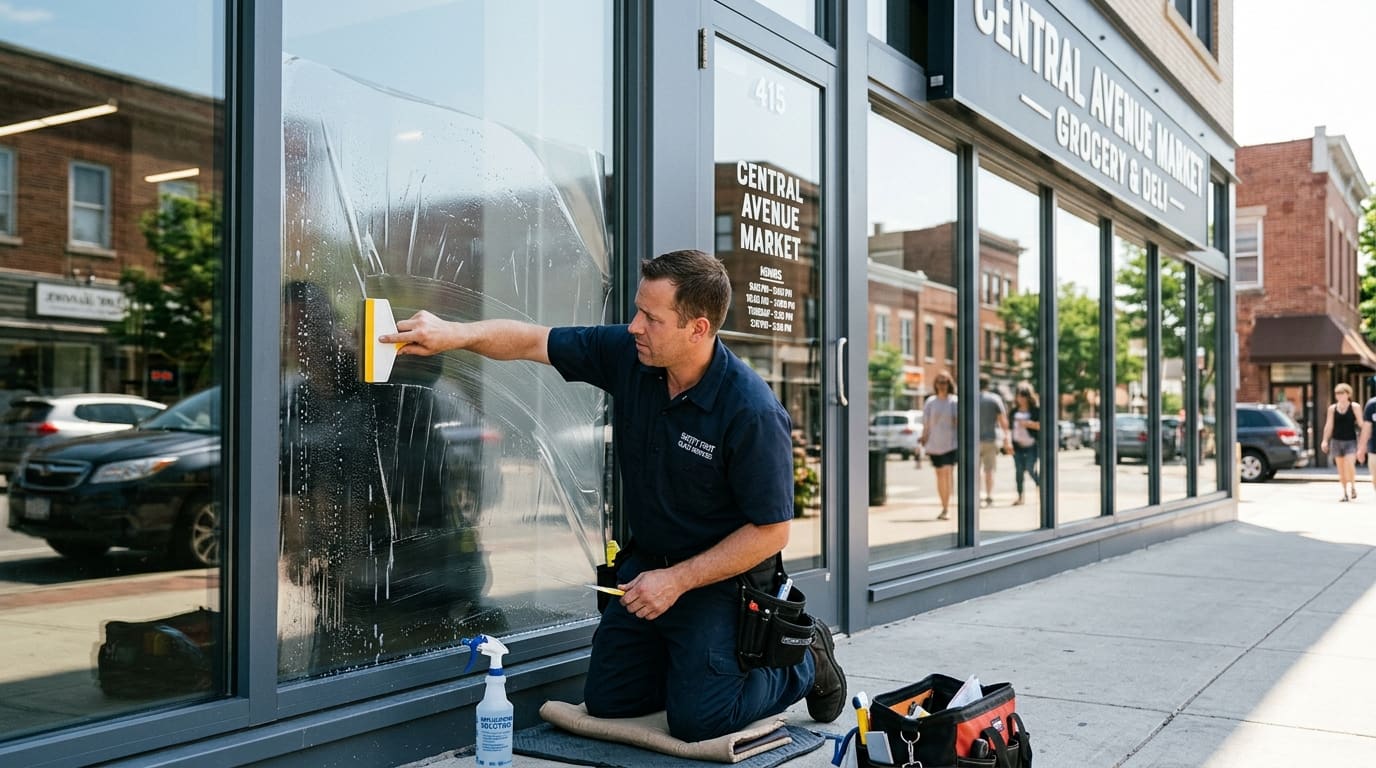
Security Glass Options for DMV Homes: Tempered, Laminated & Impact-Resistant
8 min read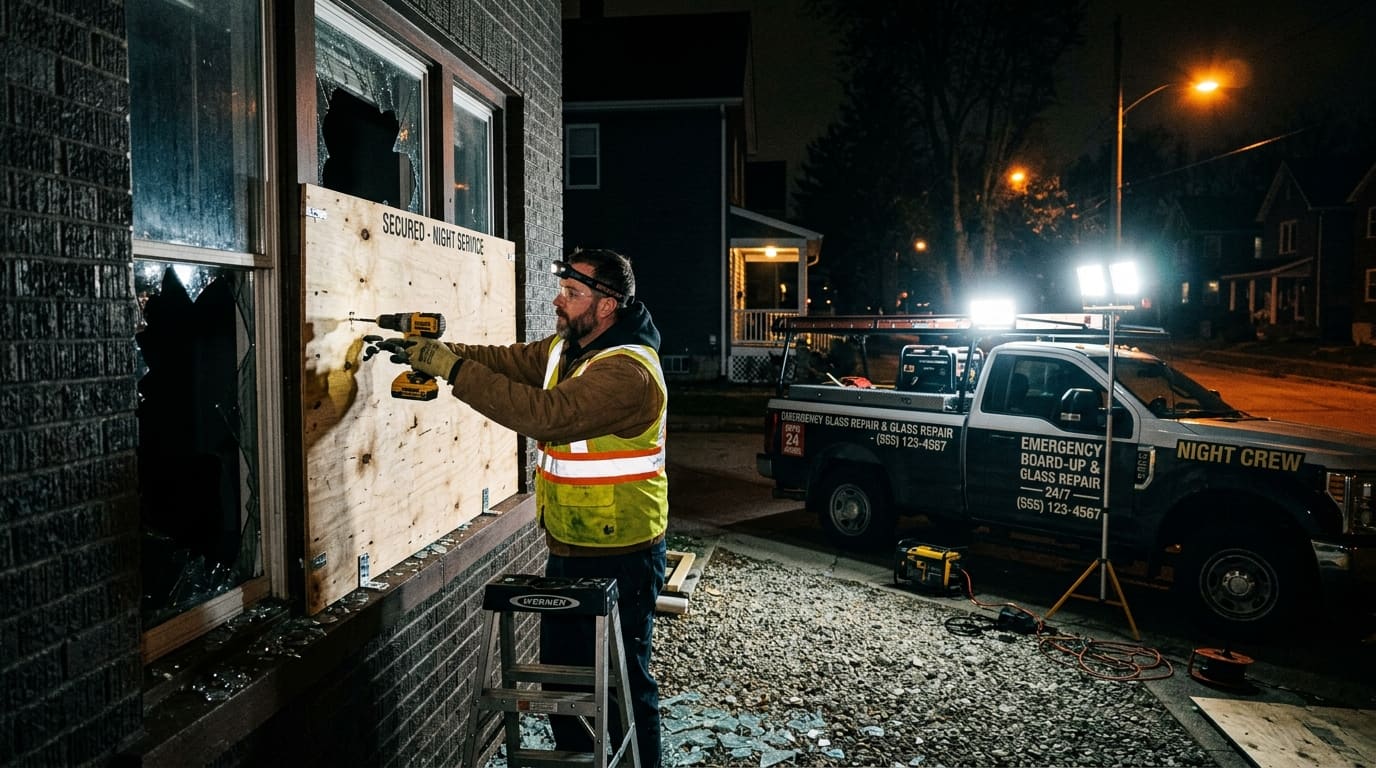
Emergency Window Repair: What to Do When Your Glass Breaks
6 min read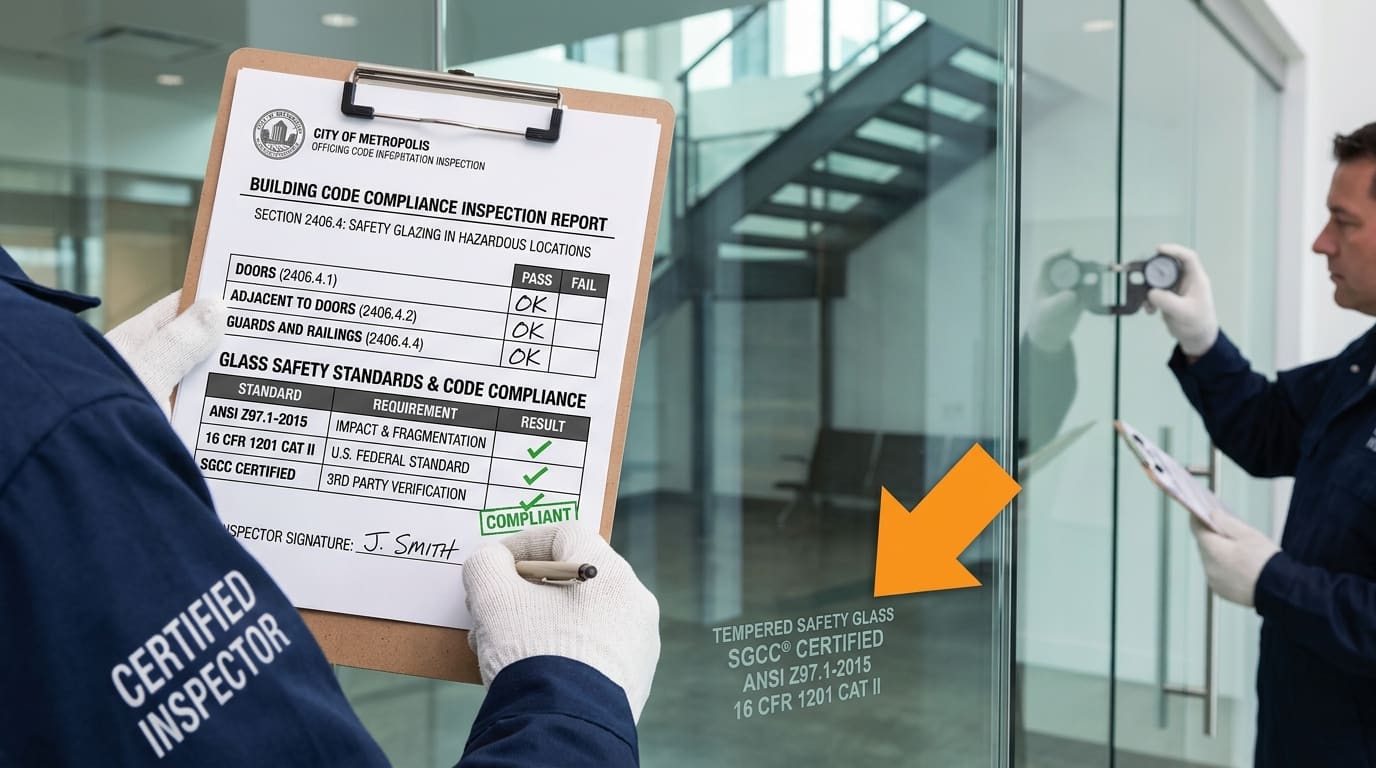
Glass Safety Standards & Building Codes: What Homeowners Need to Know
7 min read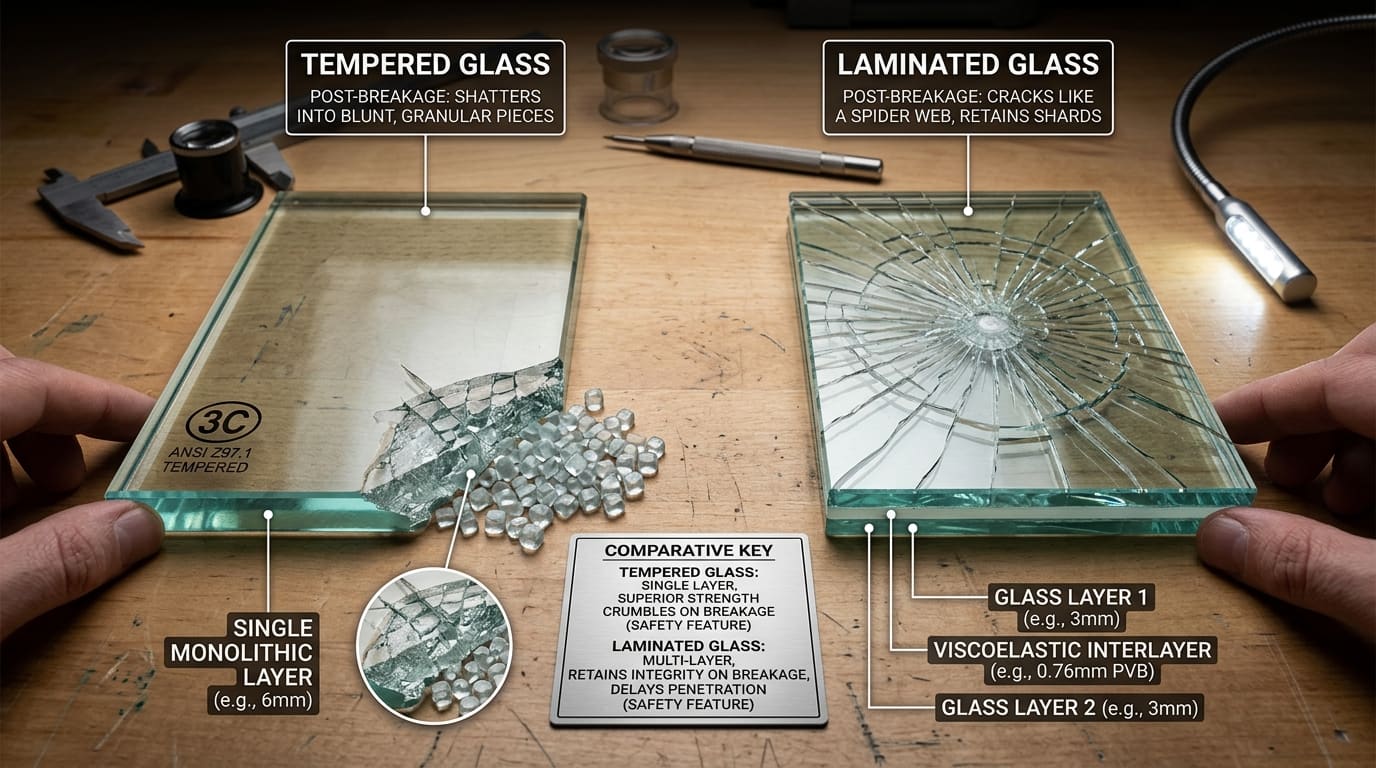
Glass Fence & Railing Code Requirements: Pool, Deck & Balcony
6 min readExplore More Resources
Helpful Guides
Common Problems
Related Pages
Our Services
24/7 Emergency
Board-Up & Glass
Licensed & Insured
DC, MD & VA
300+ Areas
DMV Coverage
Same-Day Service
When You Need It
Ready to Get Started?
Get a free estimate for any window or glass service across the DMV area.