Low-E Glass Windows: Benefits Explained for Homeowners
Low-emissivity (Low-E) glass is one of the most cost-effective energy upgrades available for windows. This guide explains how the coating works, what it does for your home, and how to decide if it is right for your situation.
Mike Reynolds
Lead Glass Technician & Owner
In This Article
What Is Low-E Glass?
Low-emissivity glass — universally called Low-E glass — has a microscopically thin metallic oxide coating applied to one surface of the glass. This coating is invisible to the naked eye but has a dramatic effect on how heat and light pass through the window. The coating reflects long-wave infrared radiation (heat energy) while allowing short-wave visible light to pass through freely. The practical result is a window that looks completely clear but dramatically reduces heat transfer in both directions.
Low-E coatings are applied during the manufacturing process using one of two methods: hard-coat (pyrolytic) deposition, where the coating is fused to the glass surface during the float glass process, or soft-coat (sputter-coat) deposition, where the coating is applied in a vacuum chamber after the glass is formed. Soft-coat Low-E provides better performance but must be sealed inside an insulated glass unit to protect the delicate coating from air and moisture.
How Low-E Reduces Energy Bills
In winter, Low-E glass reflects interior heat back into your rooms instead of allowing it to radiate through the glass to the cold outside. This is the same principle as a reflective emergency blanket — the coating bounces heat back toward its source. The result is a window surface that feels noticeably warmer in winter, reducing cold drafts and the discomfort of sitting near a window on a cold day. Your heating system runs less because the glass is not constantly draining heat from your living space.
In summer, the coating reflects solar infrared energy before it enters your home, reducing the heat gain that makes rooms uncomfortable and forces air conditioners to work overtime. The DMV region's hot, humid summers make this benefit particularly meaningful — uncoated south and west-facing windows can add significant heat load to a home during peak cooling season.
The U.S. Department of Energy estimates that Low-E glass reduces energy loss through windows by 30 to 50 percent compared to standard clear glass. In a DMV home with older single-pane windows or failed double-pane units without Low-E coatings, upgrading to Low-E glass as part of an insulated glass unit replacement can meaningfully reduce annual utility costs.
UV Protection: Protecting Your Furnishings
Ultraviolet radiation is the primary cause of fading in furniture, flooring, artwork, and textiles. Standard clear glass blocks about 25 percent of UV radiation; Low-E glass typically blocks 95 percent or more. Rooms with south-facing or west-facing windows that receive direct afternoon sun can cause significant fading in hardwood floors, upholstery, and artwork within just a few years without UV protection.
For DMV homeowners with valuable furnishings, original hardwood floors, or artwork near windows, the UV-blocking benefit of Low-E glass alone can justify the modest additional cost over standard clear glass.
Comfort: Reducing Cold Drafts and Hot Spots
The thermal performance of window glass has a direct effect on comfort beyond just energy bills. Standard clear glass in an IGU can have a surface temperature of 40°F on a cold winter day, creating a powerful convective draft — cold air descends along the cold glass surface and flows across floors at ankle level, creating the drafty feeling that plagues older DMV homes even when heating systems are running normally.
Low-E glass maintains a significantly warmer interior surface temperature in winter — often 15 to 20 degrees warmer than standard clear glass under the same outdoor conditions. This eliminates the cold-glass convection effect and makes rooms feel more comfortable at lower thermostat settings. If your home has drafty windows, upgrading to Low-E glass as part of a glass replacement addresses the thermal root cause rather than just masking symptoms.
Low-E Glass Varieties: Choosing the Right Type
Not all Low-E glass is identical. Different coatings are optimized for different climate needs. Solar control Low-E coatings are designed primarily to block summer heat gain — they have a lower solar heat gain coefficient (SHGC) and are best suited for south and west-facing windows in warm climates. Passive Low-E coatings have a higher SHGC and allow more solar heat into the home — they are suited for north-facing windows in cold climates where passive solar gain is beneficial.
The DMV climate — cold winters and hot, humid summers — typically calls for a balanced Low-E coating that provides meaningful solar control in summer without sacrificing too much passive solar gain in winter. A glass professional can recommend the specific coating best matched to each window orientation in your home.
Is Low-E Worth the Additional Cost?
When you are replacing glass in an existing frame — either because the original glass has failed or broken — the marginal additional cost of specifying Low-E glass over standard clear glass is typically modest compared to the labor and framing costs that are the same regardless of glass type. Over a 15 to 20 year IGU service life, the energy savings from Low-E glass significantly exceed the additional upfront cost in most DMV-area applications.
Virginia Glass Windows supplies and installs Low-E insulated glass units for all window types throughout Washington DC, Northern Virginia, and Maryland. Use our free photo estimate service to get a same-day quote that includes Low-E glass options, or call (703) 470-7867 to speak with a licensed glass technician about the right glass specification for your home.
About the Author
Mike Reynolds
Lead Glass Technician & Owner
With over 15 years of experience in window and glass repair across the DC, Maryland, and Virginia area, Mike shares practical expertise to help homeowners and businesses make informed decisions about their glass repair and replacement needs.
Need Help With Your Glass?
Our experts are ready to help with any window or glass issue. Free estimates, same-day service available across DC, MD & VA.
Related Articles
Continue reading about energy efficiency
More Energy Efficiency
View All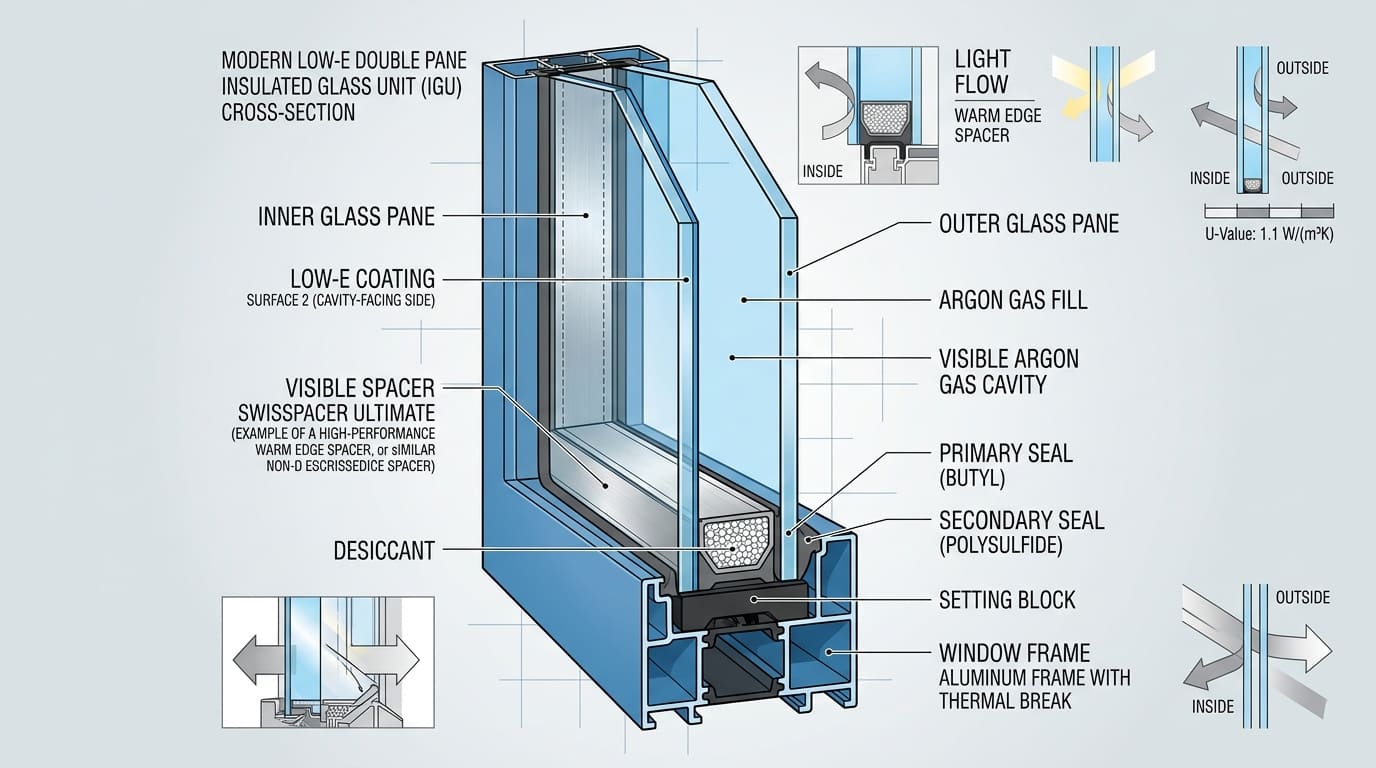
Energy-Efficient Glass Upgrades for DMV Homes: Low-E, Argon & Beyond
10 min read
Low-E Glass Explained: Is It Worth the Upgrade for Your DMV Home?
7 min read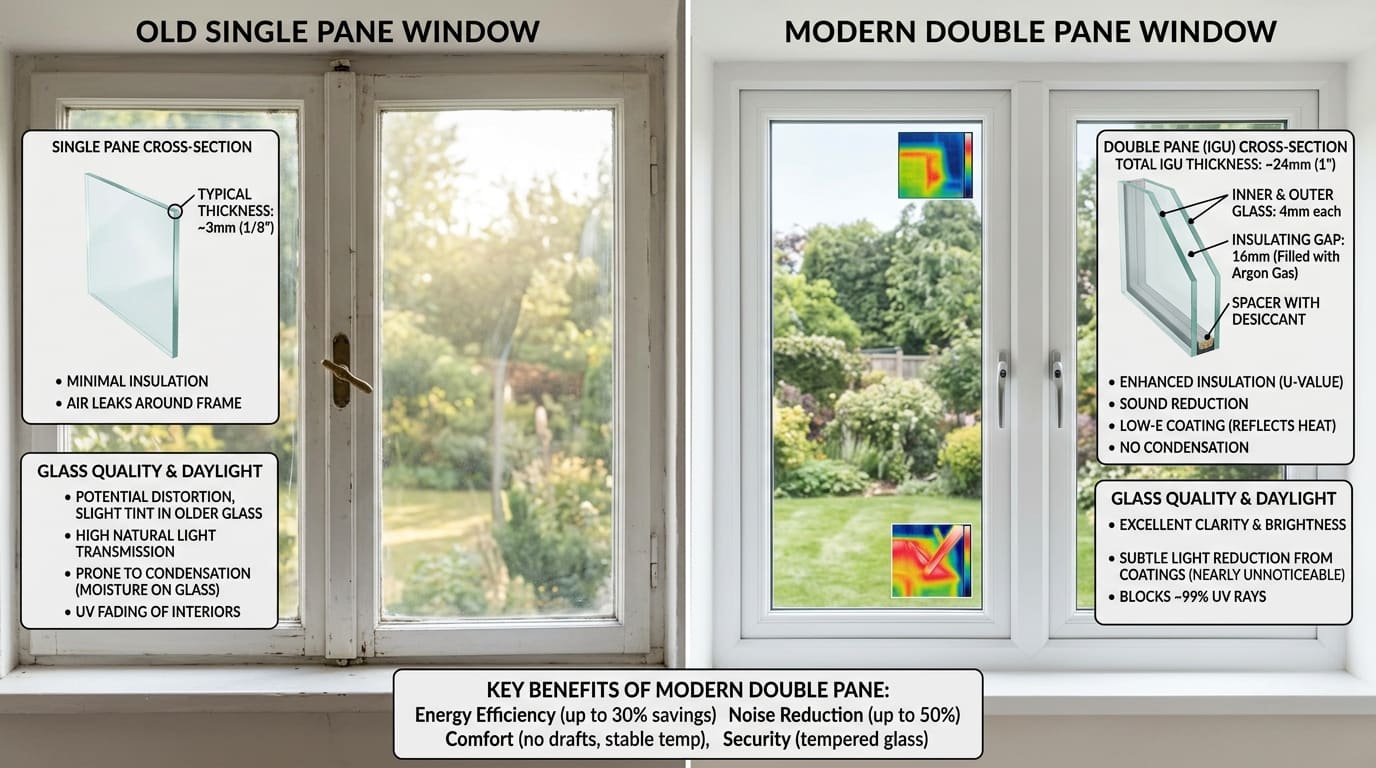
When to Upgrade from Single-Pane to Double-Pane Windows in the DMV
8 min read
How Glass Replacement Saves Money on Energy Bills in the DMV
7 min readExplore More Resources
Helpful Guides
Common Problems
Related Pages
Our Services
24/7 Emergency
Board-Up & Glass
Licensed & Insured
DC, MD & VA
300+ Areas
DMV Coverage
Same-Day Service
When You Need It
Ready to Get Started?
Get a free estimate for any window or glass service across the DMV area.