How to Tell If Your Window Seal Is Broken: 5 Clear Signs
A failed window seal is one of the most common window problems in DMV homes, but many homeowners do not recognize it until the problem is severe. Here are the five clearest signs your window seal has broken and what they mean.
Mike Reynolds
Lead Glass Technician & Owner
In This Article
What Is a Window Seal and Why Does It Fail?
In a double-pane insulated glass unit (IGU), the window seal is the airtight barrier that runs around the perimeter of the glass assembly, keeping the argon or krypton gas fill trapped between the panes and preventing outside air and moisture from entering the space between the glass layers. The seal is composed of two components: a primary seal (typically polyisobutylene) and a secondary seal (typically silicone or polysulfide) that work together to create a durable, airtight closure.
Over time, the seal degrades due to thermal cycling — the daily expansion and contraction of the glass and spacer bar as temperatures rise and fall. South and west-facing windows that experience the most intense direct sun and the greatest temperature swings tend to fail earliest. In the DMV area, the demanding climate — cold winters followed by hot, humid summers — means IGU seals typically last 15 to 20 years before failing. Understanding the signs of seal failure allows you to address the problem before secondary damage develops. Learn more about why this happens in our guide to double-pane seal failure.
Sign 1: Fogging or Cloudiness Between the Panes
The most unmistakable sign of a failed window seal is persistent fogging or cloudiness visible between the two panes of glass — not on the inner or outer surface, but trapped in the space between. This fogging is caused by moisture from outside air that has penetrated the failed seal and condensed on the interior glass surfaces of the sealed cavity.
Unlike surface condensation, which clears when humidity drops or temperature rises, IGU fog persists regardless of weather conditions because the moisture is trapped inside a sealed space. On some days the fogging may be less visible than others — particularly when temperature differentials between the inside and outside are low — but it will always return. This is not a cosmetic problem only; the moisture inside the IGU causes long-term degradation of the desiccant material in the spacer bar and eventually etches the interior glass surfaces, creating permanent haze.
Sign 2: Condensation That Appears Between the Panes
As the seal failure progresses, you may see actual water droplets condensed on the interior glass surfaces inside the IGU cavity — water that you cannot wipe away because it is between the panes. This is a more advanced stage of seal failure than fogging. The desiccant material in the spacer bar has been saturated and can no longer absorb moisture, so free liquid water condenses inside the unit.
At this stage, the IGU has completely lost its insulating gas fill and is performing at or below the level of a single-pane window for both thermal and acoustic insulation. The interior condensation also accelerates degradation of the spacer bar and edge seals, eventually causing structural compromise of the unit.
Sign 3: Visible Distortion or "Oil-Canning"
Some failed IGUs develop a visible distortion of the glass surface — a slight bowing or waviness visible when you look at the window from an angle or view the reflection of a straight line. This phenomenon is caused by pressure changes inside the IGU cavity as the inert gas fill escapes through the failed seal and is replaced by air at a different pressure.
The glass panes, now under slight pressure differential, flex inward or outward, creating the visible distortion. This is sometimes called "oil-canning" because the glass surface undulates like the bottom of an oil can when pressed. The distortion confirms that the gas fill has been compromised — the window is no longer providing its designed energy performance.
Sign 4: Noticeably Higher Energy Bills or Cold Drafts Near the Window
A failed window seal dramatically reduces the thermal performance of the glass. An argon-filled Low-E IGU in good condition has an insulating value roughly equivalent to three layers of clear glass; once the seal fails and the argon escapes, the unit performs at the level of a simple clear double-pane unit with no gas fill. This change produces noticeable effects: rooms near failed windows feel colder in winter, drafts appear even when the window is fully closed, and energy bills rise.
If you notice these symptoms but cannot yet see visible fogging, the seal may have failed recently and moisture infiltration has not yet reached visible levels. Early-stage seal failure is still worth addressing — the window glass performance will continue to decline and the fogging will appear eventually. See our comparison of glass repair versus full window replacement to understand your options.
Sign 5: Staining or Residue on the Interior Glass Surface of the IGU
In long-standing seal failures, the desiccant material in the spacer bar can release silica compounds into the moisture-laden air inside the IGU. These compounds deposit on the interior glass surfaces as the moisture evaporates, creating a white, hazy, or iridescent staining that cannot be cleaned because it is inside the sealed unit. This staining indicates that the seal failure has been present long enough for the desiccant to be fully consumed — the most advanced stage of IGU degradation before structural failure.
At this stage, the only solution is IGU replacement. The staining will not clear with any treatment, and the unit provides essentially no insulating performance. If you see this sign in multiple windows, a professional assessment of all your IGUs is warranted.
What to Do When Your Window Seal Has Failed
A failed IGU seal cannot be repaired — the sealed unit must be replaced. The good news is that in most cases only the glass unit itself needs replacement; the window frame and hardware can be retained. This is typically far less expensive than full window replacement. Virginia Glass Windows specializes in IGU replacement throughout Washington DC, Northern Virginia, and Maryland. Use our free photo estimate service to get a same-day assessment, or call (703) 470-7867.
About the Author
Mike Reynolds
Lead Glass Technician & Owner
With over 15 years of experience in window and glass repair across the DC, Maryland, and Virginia area, Mike shares practical expertise to help homeowners and businesses make informed decisions about their glass repair and replacement needs.
Need Help With Your Glass?
Our experts are ready to help with any window or glass issue. Free estimates, same-day service available across DC, MD & VA.
Related Articles
Continue reading about guides
More Guides
View All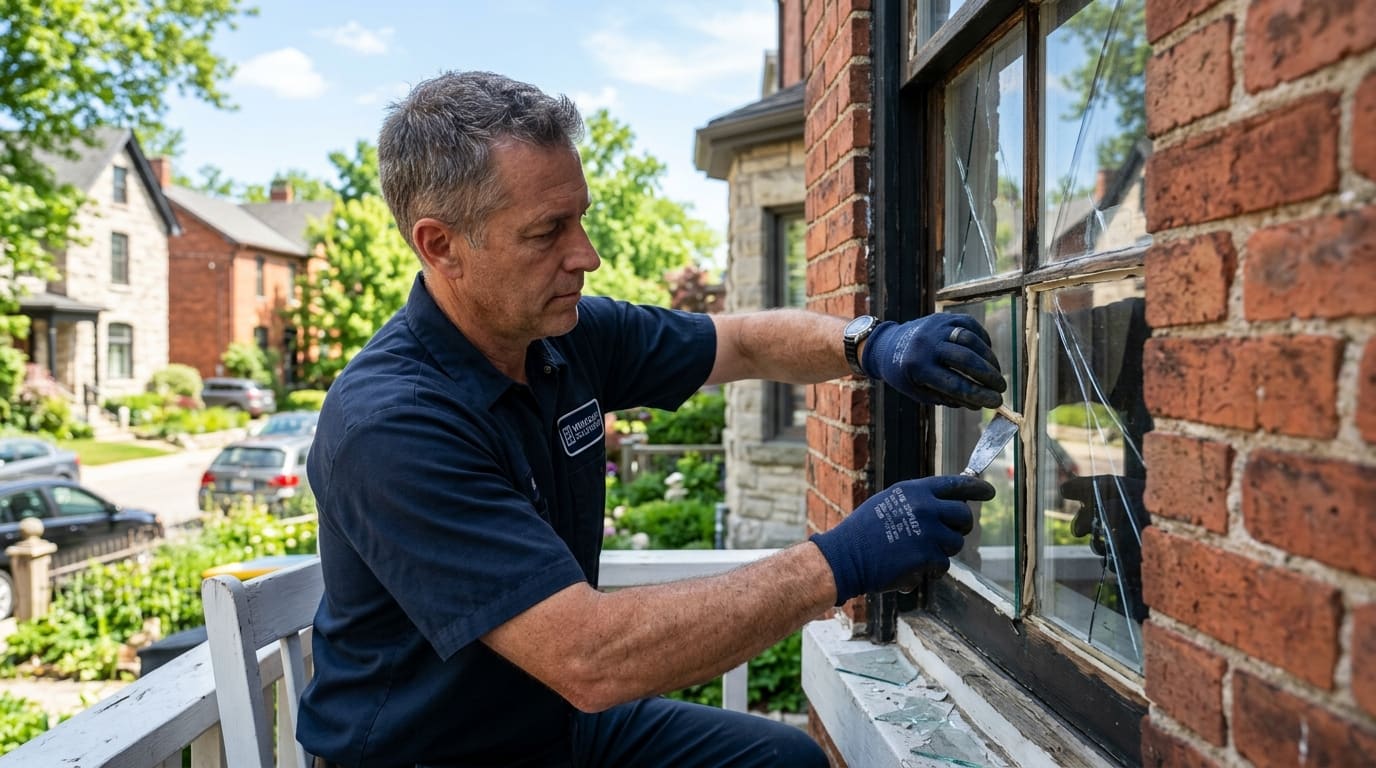
How to Tell If Your Window Glass Needs Repair or Replacement
8 min read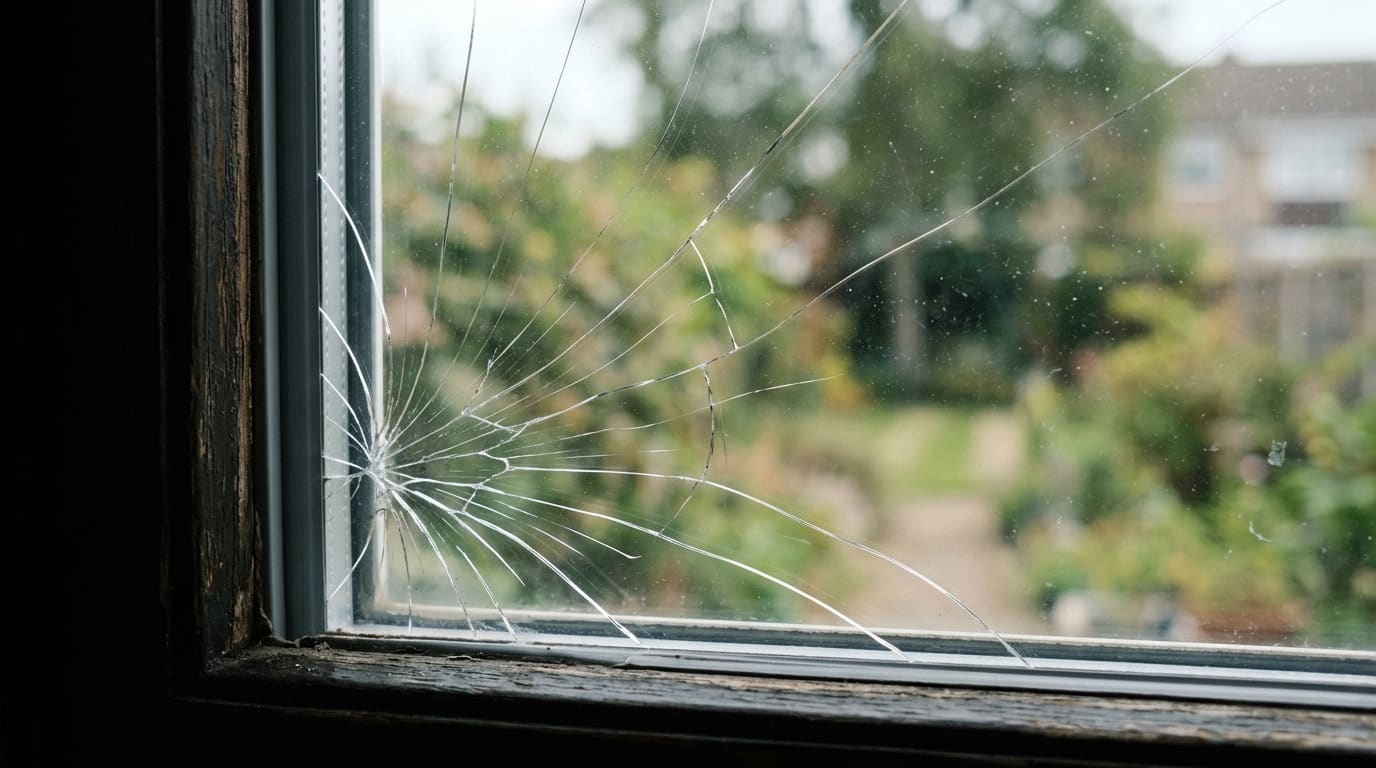
Stress Cracks in Windows: Causes, Prevention & Solutions for DMV Homeowners
7 min read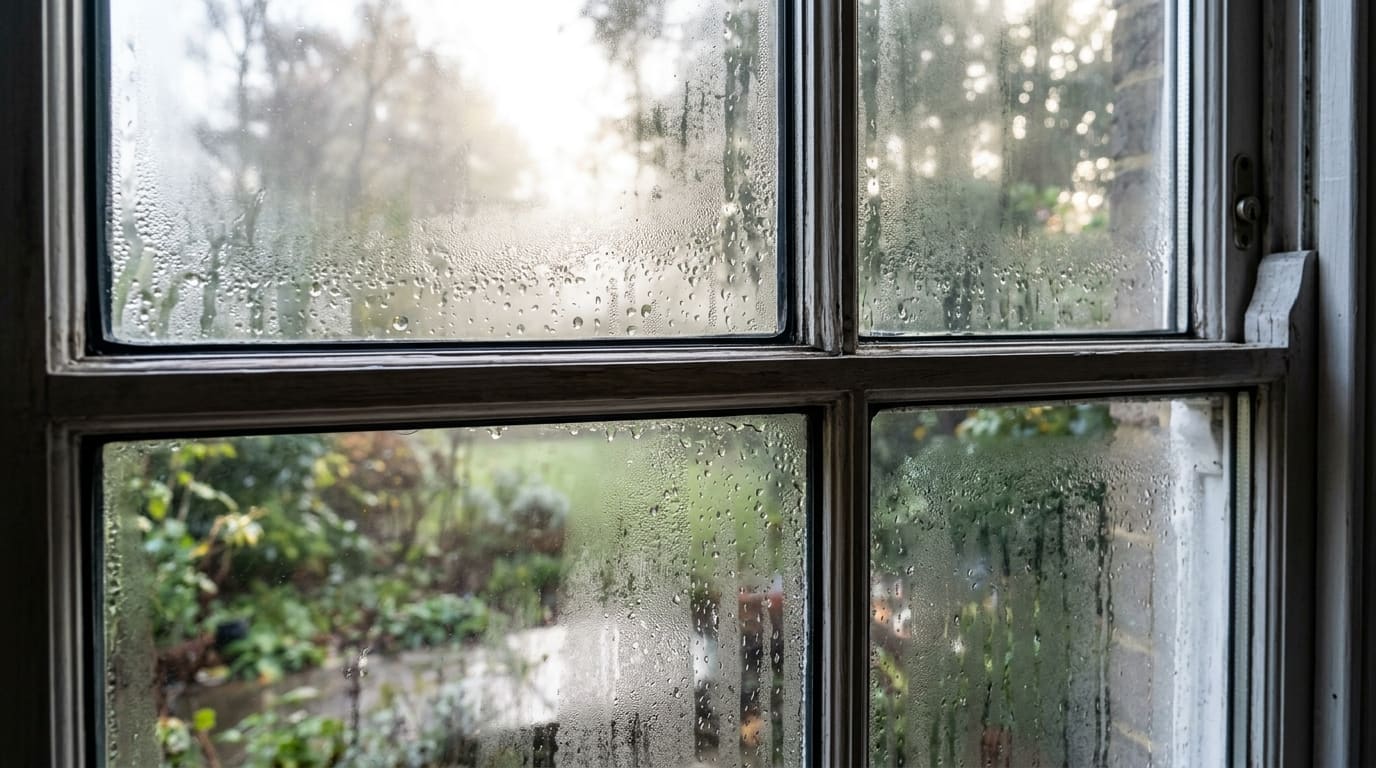
Foggy Windows: Why Double-Pane Seals Fail & What to Do About It
9 min read
Glass Replacement in Historic DMV Homes: Preservation Meets Performance
9 min readExplore More Resources
Common Problems
Our Services
24/7 Emergency
Board-Up & Glass
Licensed & Insured
DC, MD & VA
300+ Areas
DMV Coverage
Same-Day Service
When You Need It
Ready to Get Started?
Get a free estimate for any window or glass service across the DMV area.