How to Fix Drafty Windows Without Replacing Them
Drafty windows are one of the most common comfort complaints in DMV-area homes. Before committing to full window replacement, there are several targeted fixes that can dramatically reduce drafts at a fraction of the cost. Here is how to diagnose and address the problem.
Mike Reynolds
Lead Glass Technician & Owner
In This Article
Diagnosing Where the Draft Is Coming From
Not all window drafts come from the same place, and identifying the exact source determines the right fix. On a cold, windy day, hold a stick of incense or a lit candle near the window — the smoke or flame will reveal air movement. Check these specific locations: the junction of the sash and frame (top, bottom, and sides), the meeting rail where two sashes meet in a double-hung window, the glazing line where glass meets the frame, and the perimeter of the window frame where it meets the rough opening in the wall.
Drafts from the sash-to-frame junction are weatherstripping problems. Drafts from the glazing line indicate failed glazing compound or dried-out putty (in single-pane windows) or a failing edge seal (in double-pane units). Drafts from the window frame perimeter indicate failed exterior caulk or a gap between the frame and the rough opening that was never properly sealed. Each requires a different fix.
Fix 1: Replace Weatherstripping
Weatherstripping is the compressible seal between the moving sash and the fixed frame that blocks air infiltration when the window is closed. Over time, weatherstripping compresses permanently, tears, or separates from the frame, leaving gaps that allow cold air infiltration even when the window appears to be closed and latched.
Replacing worn weatherstripping is a DIY-accessible repair. The type of weatherstripping needed depends on the window style: foam tape compresses into irregular gaps in older wood frames, V-strip (tension seal) works well in the channels of double-hung windows, and tubular rubber or silicone gaskets suit casement and awning windows where the sash compresses against the frame when closed. Home improvement stores carry all of these in standard sizes; measure your existing weatherstripping width and thickness before purchasing.
Clean the channel or surface where the new weatherstripping will be applied before installation — old adhesive residue and paint buildup prevent the new material from bonding properly. Press the new strip firmly into place and verify that the window closes fully and latches securely over the new material.
Fix 2: Re-Glaze Single-Pane Windows
In older DMV-area homes with original wood-frame single-pane windows, the glazing compound (putty) that seals the glass into the frame dries out, shrinks, and cracks over time. Cracked or missing glazing compound creates gaps between the glass and the frame that allow significant air infiltration — in some cases, a window with failed glazing can admit more air than the weatherstripping at the sash perimeter.
Re-glazing is a straightforward repair: remove the old failed putty (use a heat gun on low setting to soften it, then scrape clean), apply fresh oil-based glazing compound with a putty knife, smooth it to a clean bevel, and allow to cure before painting. Properly done, re-glazing fully seals the glass-to-frame interface and eliminates that source of air infiltration. This repair also dramatically extends the life of the glass and frame by preventing moisture infiltration at the glazing line.
Fix 3: Seal the Frame Perimeter with Caulk
The exterior joint between the window frame and the surrounding siding or trim is a common air infiltration path that is often overlooked. This joint is initially sealed with exterior caulk during installation, but the caulk shrinks, cracks, and loses adhesion over time — particularly in the DMV area's climate with its wide temperature swings. Inspect the exterior perimeter of each window for gaps, cracks, or separating caulk.
Remove all failed caulk before applying new material — applying new caulk over old does not create a lasting seal. Use a caulk rated for exterior use and painted surfaces; paintable silicone or a siliconized acrylic caulk provides good durability and paintability. Apply in a continuous bead without gaps, tool to a smooth concave surface, and allow to cure per the manufacturer's instructions before painting.
Fix 4: Apply Interior Window Film or Insulating Panels
For single-pane windows that cannot be replaced immediately, a temporary interior window insulation kit — a clear film that attaches with double-sided tape to the interior trim and is then shrunk taut with a hair dryer — creates an interior dead-air space that reduces heat loss significantly. These kits are available at hardware stores, are nearly invisible when properly installed, and can reduce single-pane window heat loss by 25 to 40 percent.
Interior window insulating panels — rigid foam or cellular shade systems that fit into the window opening — provide even greater insulating value but are more visible and must be removed to operate the window. These are better suited to windows that are rarely opened during winter months.
When Glass Replacement Is the Better Answer
The fixes above address weatherstripping, glazing, and caulk failures. They cannot fix glass performance problems. If your double-pane window has a failed IGU seal — indicated by fogging between the panes — the window is performing at or below single-pane levels regardless of how good your weatherstripping is. In this case, glass replacement addresses the actual thermal problem rather than masking it.
Similarly, if your single-pane windows are original to an older home, re-glazing and weatherstripping improve them meaningfully but cannot bring them to the performance level of a modern double-pane Low-E IGU. If energy performance is your primary concern, glass replacement may be the more cost-effective long-term solution. Virginia Glass Windows can assess your specific windows and help you decide the most economical path. Use our free photo estimate service or call (703) 470-7867.
About the Author
Mike Reynolds
Lead Glass Technician & Owner
With over 15 years of experience in window and glass repair across the DC, Maryland, and Virginia area, Mike shares practical expertise to help homeowners and businesses make informed decisions about their glass repair and replacement needs.
Need Help With Your Glass?
Our experts are ready to help with any window or glass issue. Free estimates, same-day service available across DC, MD & VA.
Related Articles
Continue reading about tips & tricks
More Tips & Tricks
View All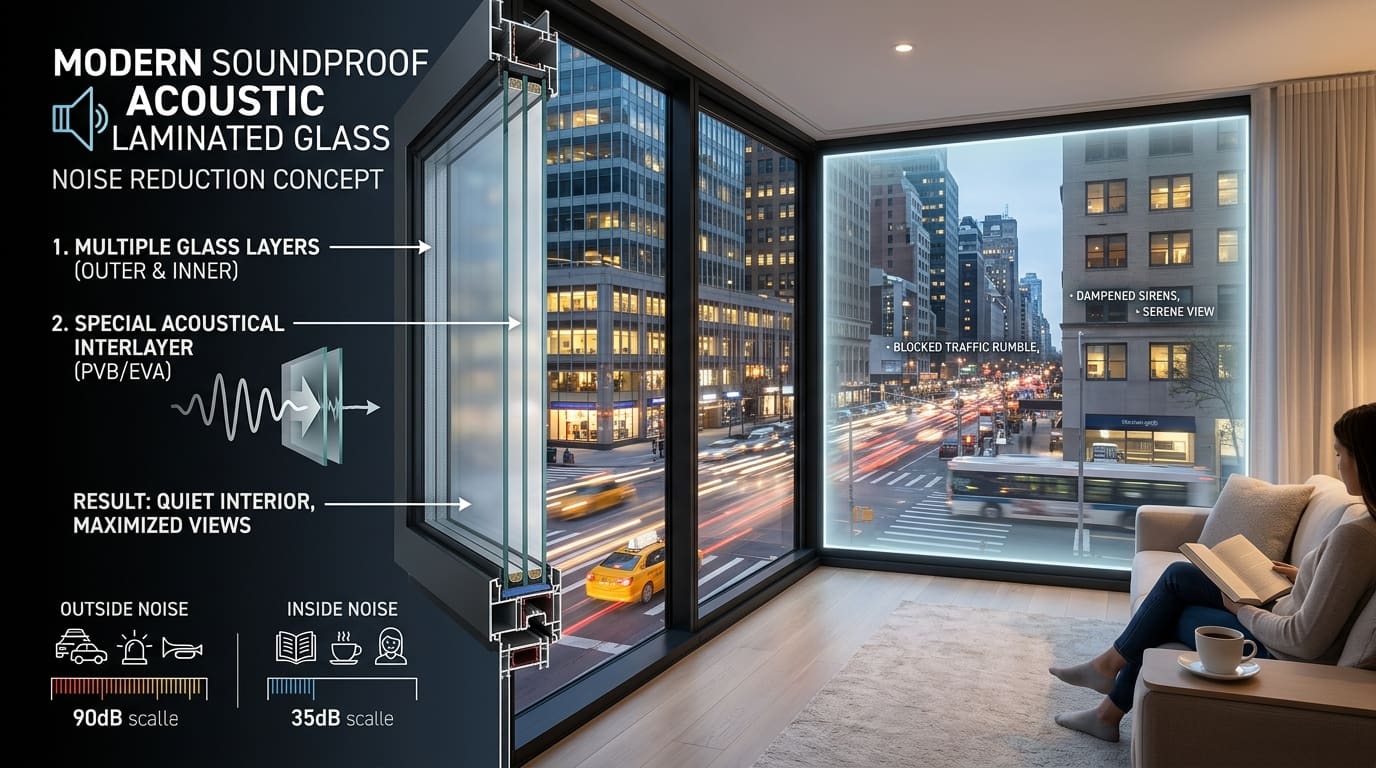
Sound-Reducing Glass for Noisy DMV Locations: Airports, Highways & Metro Lines
7 min read
Preparing Your Home for Window Glass Replacement: A Homeowner's Guide
5 min read
What Causes Window Glass to Crack Without Impact? 7 Common Causes
6 min read
Shower Door Glass: Frameless vs Framed Options for DMV Bathrooms
6 min readExplore More Resources
Common Problems
Related Pages
24/7 Emergency
Board-Up & Glass
Licensed & Insured
DC, MD & VA
300+ Areas
DMV Coverage
Same-Day Service
When You Need It
Ready to Get Started?
Get a free estimate for any window or glass service across the DMV area.