Hurricane Impact Glass vs Regular Glass: Strength, Cost & Protection
Impact glass is engineered to withstand hurricane-force winds and flying debris. Even though the DMV is not a hurricane zone, impact glass offers compelling security and storm protection benefits.
Mike Reynolds
Lead Glass Technician & Owner
In This Article
What Is Hurricane Impact Glass?
Hurricane impact glass — also called impact-resistant glass, windborne debris glass, or simply impact glass — is a laminated glass product specifically engineered and tested to withstand the impact of flying debris during hurricanes and severe storms. Unlike standard glass that shatters on impact, and unlike tempered glass that breaks into small fragments, impact glass consists of two or more layers of glass bonded to a thick, structural plastic interlayer (typically PVB or SGP) that holds the assembly together even when the glass layers crack.
When a projectile strikes impact glass, the outer glass layer may crack at the point of impact, but the interlayer absorbs and distributes the energy, preventing penetration. The inner glass layer typically remains intact or, if it does crack, the interlayer holds both glass layers in position, maintaining the barrier against wind and water intrusion. This is fundamentally different from standard laminated glass used in automotive windshields — impact glass uses a thicker, more rigid interlayer and heavier glass layers, and it is tested to much more demanding impact and pressure cycling standards.
The engineering principle behind impact glass is maintaining the building envelope's integrity during a storm. Once wind penetrates a building through a broken window or door, the interior pressure increases dramatically, which can lift the roof, blow out walls, and cause catastrophic structural failure. Impact glass prevents this chain of events by keeping the opening sealed even after debris strikes the glass.
How Impact Glass Is Tested and Certified
Impact glass performance is verified through rigorous testing protocols that simulate real hurricane conditions. The two primary testing standards in the United States are the Miami-Dade County protocols (TAS 201, 202, and 203) and the ASTM E1886/E1996 standard. Miami-Dade testing is the most stringent and is considered the gold standard for impact glass certification.
The Miami-Dade large missile test fires a 9-pound 2x4 lumber section at the glass at 50 feet per second (34 mph). The glass must withstand this impact without allowing the projectile to penetrate through the assembly. After the impact test, the same panel (now cracked but intact) is subjected to thousands of cycles of positive and negative pressure — simulating the sustained and gusting wind pressures of a hurricane — to verify that the damaged panel maintains its barrier function. The panel must prevent air and water penetration throughout the pressure cycling test.
ASTM E1886/E1996 testing follows a similar protocol with test parameters that vary based on the wind zone and building classification. Wind Zone 4 (the highest category, applicable to coastal areas in hurricane-prone regions) uses the same large missile impact as the Miami-Dade test. Wind Zone 3, applicable to areas further from the coast, uses a smaller missile test. Products that pass these tests receive a Product Approval from the relevant jurisdiction and carry a permanent certification label.
Strength Comparison: Impact Glass vs Regular Glass
The strength difference between impact glass and standard glass is dramatic. Standard annealed glass — the most basic glass type — shatters on relatively low-energy impacts and provides no post-breakage barrier function. Tempered glass is approximately four times stronger than annealed glass and breaks into small, relatively harmless fragments, but those fragments provide zero barrier function — the entire pane collapses, leaving the opening completely exposed. Neither standard glass type provides any meaningful protection against windborne debris or forced entry attempts.
Standard laminated glass (the type used in automobile windshields) consists of two glass layers bonded to a thin 0.030-inch PVB interlayer. It holds together when broken but was not designed to withstand the high-energy impacts and sustained pressure cycling that impact glass handles. Standard laminated glass may prevent a thrown rock from entering a room, but it cannot reliably stop a 2x4 board traveling at 34 mph, and it has not been tested to maintain its barrier function under the thousands of pressure cycles that impact glass endures in certification testing.
Impact glass typically uses two layers of tempered or heat-strengthened glass bonded to a 0.060-inch or thicker structural interlayer (often SentryGlas Plus/SGP rather than standard PVB). Some configurations use three glass layers with two interlayers for the highest protection levels. The result is a glass assembly that can withstand the large missile impact test, maintain its barrier function through 9,000 or more pressure cycles at design wind speed, and continue to exclude water even in a severely cracked condition.
Cost Comparison and Value Analysis
Impact glass carries a substantial cost premium over standard glass. Depending on the size, thickness, configuration, and frame system, impact glass windows can cost two to four times more than standard insulated glass windows of the same size. For a full-house installation in a DMV home with 20 windows, the premium for impact glass over standard Low-E double-pane glass represents a significant investment that requires careful cost-benefit analysis.
In Florida and other coastal hurricane zones, the cost-benefit calculation is straightforward: impact glass is often required by building code, it eliminates the need for hurricane shutters (which carry their own cost and maintenance burden), and it provides insurance premium discounts that can offset a meaningful portion of the incremental cost over time. In the DMV area, where impact glass is not code-required, the value proposition is different — it centers on security, severe storm protection, sound reduction, and UV filtering rather than hurricane survival.
For DMV homeowners who want some of the protective benefits of impact glass without the full-house cost, a targeted approach is often the best strategy. Installing impact glass on ground-floor windows and doors (where break-in risk is highest), on the side of the house most exposed to prevailing storm winds, or on large, hard-to-board-up openings provides meaningful protection at a fraction of the full-house cost. Standard insulated glass with security film is a cost-effective alternative for the remaining openings.
Should DMV Homeowners Consider Impact Glass?
The DMV area is not a designated hurricane zone, and building codes do not require impact glass for residential construction. However, the region does experience severe thunderstorms with damaging winds (60 to 80 mph gusts are not uncommon in summer), occasional tropical storm remnants that bring sustained high winds, and derecho events like the devastating June 2012 storm that caused widespread damage across the region. For these weather events, impact glass provides a level of protection that standard glass simply cannot match.
The security benefits of impact glass are equally relevant in the DMV area. Impact glass resists forced entry far more effectively than standard glass or even standard laminated glass. A burglar who can break through a standard window in seconds faces minutes of sustained, noisy effort to breach an impact glass panel — and even then, the interlayer typically prevents full penetration. For homes in areas with elevated break-in risk, for homes that are frequently unoccupied (vacation homes, snowbird residences), and for ground-floor windows in any location, impact glass provides a security upgrade that standard glass cannot approach.
Additional benefits include significant sound reduction (impact glass reduces exterior noise transmission by 50 percent or more compared to standard single-pane glass), UV blocking (the thick interlayer filters 99 percent of UV radiation, protecting furnishings and flooring), and increased home value (impact glass is recognized as a premium upgrade that appeals to security-conscious buyers). Virginia Glass Windows can evaluate your home and help determine where impact glass provides the most value for your specific situation. Contact us at (703) 470-7867 for a free assessment and consultation on impact glass options for your DMV home.
About the Author
Mike Reynolds
Lead Glass Technician & Owner
With over 15 years of experience in window and glass repair across the DC, Maryland, and Virginia area, Mike shares practical expertise to help homeowners and businesses make informed decisions about their glass repair and replacement needs.
Need Help With Your Glass?
Our experts are ready to help with any window or glass issue. Free estimates, same-day service available across DC, MD & VA.
Related Articles
Continue reading about safety
More Safety
View All
Security Glass Options for DMV Homes: Tempered, Laminated & Impact-Resistant
8 min read
Emergency Window Repair: What to Do When Your Glass Breaks
6 min read
Glass Safety Standards & Building Codes: What Homeowners Need to Know
7 min read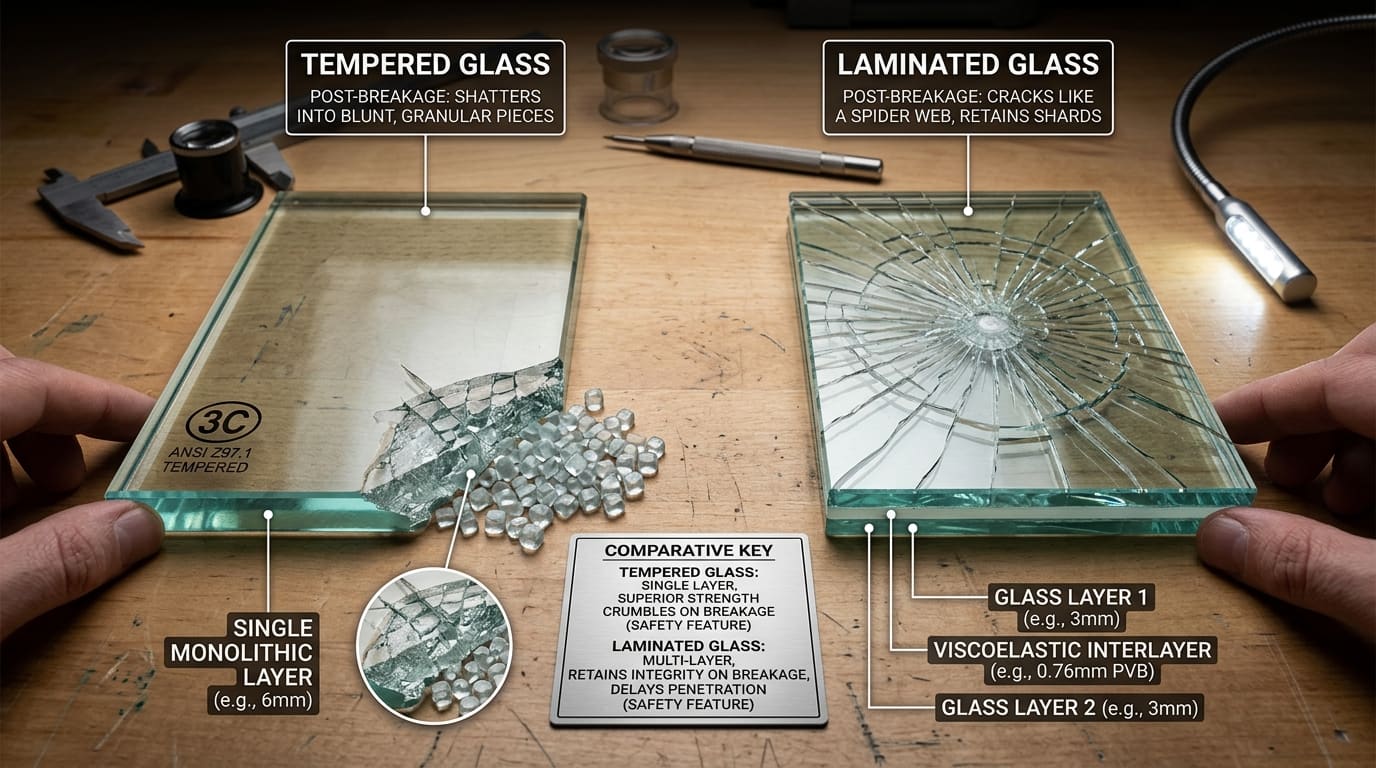
Glass Fence & Railing Code Requirements: Pool, Deck & Balcony
6 min readExplore More Resources
Helpful Guides
Common Problems
Related Pages
Our Services
24/7 Emergency
Board-Up & Glass
Licensed & Insured
DC, MD & VA
300+ Areas
DMV Coverage
Same-Day Service
When You Need It
Ready to Get Started?
Get a free estimate for any window or glass service across the DMV area.