Glass Safety Standards & Building Codes: What Homeowners Need to Know
Building codes require safety glass in specific locations throughout your home. Understanding ANSI Z97.1, CPSC standards, and IRC R308 helps you make informed decisions and stay code-compliant.
Mike Reynolds
Lead Glass Technician & Owner
In This Article
Why Glass Safety Standards Exist
Before modern safety standards were adopted, ordinary annealed glass in doors, shower enclosures, and low windows caused thousands of serious lacerations and fatalities each year in the United States. When standard annealed glass breaks, it fractures into large, razor-sharp shards capable of inflicting life-threatening injuries. The Consumer Product Safety Commission estimated that glass-related injuries in residential settings numbered in the hundreds of thousands annually before widespread adoption of safety glazing requirements.
Today, a comprehensive framework of federal and state standards, building codes, and industry specifications governs where safety glass must be used, how it must perform, and how it is tested and certified. For DMV homeowners, understanding these standards is important whenever you replace glass, renovate, or add new glass features to your home — because using the wrong glass type in a code-required safety glazing location creates both a safety hazard and a code violation that can affect insurance coverage and resale.
The three standards that matter most for residential glass in the DMV area are ANSI Z97.1, CPSC 16 CFR 1201, and IRC Section R308. Together, they define what qualifies as safety glass, how it must be tested, and where it must be installed.
ANSI Z97.1 and CPSC 16 CFR 1201: The Performance Standards
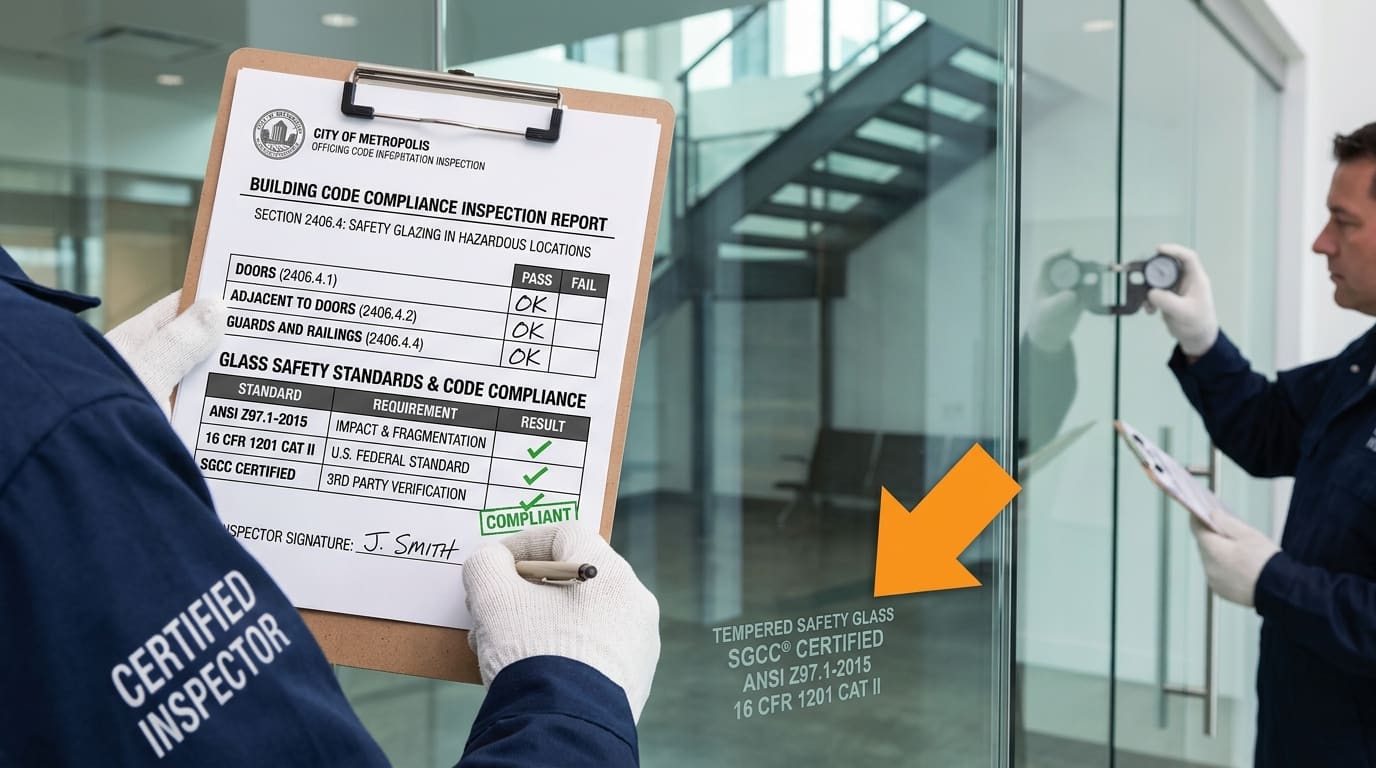
ANSI Z97.1, published by the American National Standards Institute, establishes the minimum performance criteria for safety glazing materials used in buildings. The standard defines two categories of impact resistance: Category I for smaller glazing applications and Category II for larger ones. Testing involves swinging a 100-pound impactor (simulating a human body) into a glass sample from specified heights. To pass, the glass must either remain intact, break into small, relatively harmless fragments (as tempered glass does), or break but remain adhered to an interlayer (as laminated glass does), without producing large dangerous shards.
CPSC 16 CFR 1201, the federal standard administered by the Consumer Product Safety Commission, closely parallels ANSI Z97.1 but carries the force of federal regulation. It also defines Category I and Category II performance levels, with Category II representing a higher impact resistance suitable for larger glass panels in more hazardous locations. Virtually all safety glazing products sold in the United States are tested and certified to both ANSI Z97.1 and CPSC 16 CFR 1201, and they carry a permanent label — etched, sandblasted, or ceramic-fired onto a corner of the glass — identifying the manufacturer, the standard met, and the category.
When you see a small label etched into the corner of a glass panel in your home, that is the safety glazing certification mark. It confirms that the glass was manufactured and tested to meet these impact performance standards. Any glass installed in a safety glazing location must bear this mark — if it does not, it may not be safety glass, and it should be evaluated and potentially replaced.
IRC Section R308: Where Safety Glass Is Required
The International Residential Code (IRC) Section R308 specifies the locations within a home where safety glazing is mandatory. The DMV jurisdictions — Washington DC, Maryland counties, and Virginia counties — adopt the IRC with local amendments, so the specific edition and any local modifications can vary. However, the core safety glazing locations required by R308 are consistent across the region.
Safety glass is required in all glazing in doors and panels immediately adjacent to doors (sidelights) where the glass is within 24 inches of a door in a closed position. This includes sliding glass doors, French doors, storm doors, entry door sidelights, and any glass panel that a person walking through a doorway could mistake for an opening or stumble into. Glass in and around bathtubs and showers must be safety glazed if the bottom edge of the glass is less than 60 inches above a standing surface (the tub floor or shower pan). This requirement covers shower doors, shower enclosures, glass panels adjacent to tubs, and any decorative glass near wet areas.
Glazing within 36 inches of a walking surface where the bottom edge is less than 18 inches above the floor and the top edge is more than 36 inches above the floor must be safety glazed. This catches large low windows, floor-to-ceiling glass panels, and glass sidelights next to door openings. Additionally, glass in guards and railings, glass in stairway enclosures and landings, and glass within 60 inches horizontally of the bottom tread of a stairway where the exposed surface is within 60 inches of the walking surface must all be safety glazed. Glass in walls and fences enclosing swimming pools, hot tubs, and spas also requires safety glazing.
Tempered Glass vs Laminated Glass for Code Compliance
Both tempered glass and laminated glass satisfy safety glazing requirements under ANSI Z97.1 and CPSC 16 CFR 1201, but they perform very differently when they break, and certain applications favor one type over the other. Tempered glass is heat-treated to be approximately four times stronger than annealed glass of the same thickness. When it does break, it shatters into small, cube-shaped fragments rather than dangerous shards. Tempered glass is the standard choice for shower doors, sliding patio doors, and most residential safety glazing locations because of its strength, clarity, and relatively low cost.
Laminated glass consists of two or more glass layers bonded to a plastic interlayer (typically PVB or SGP). When laminated glass breaks, the fragments adhere to the interlayer, and the panel remains largely intact rather than collapsing. This makes laminated glass the preferred choice for overhead glazing (skylights, glass canopies) where falling glass fragments are the primary hazard, for security applications where maintaining a barrier after breakage is important, and for glass railings where post-breakage structural integrity is required by code.
In many applications, the choice between tempered and laminated is clear from the code requirements and the application. In others — such as large floor-to-ceiling windows in living areas — either type satisfies the code, and the choice comes down to performance priorities: tempered for maximum strength and cost efficiency, or laminated for post-breakage integrity, sound reduction, and UV filtering.
Code Compliance in the DMV Area
Washington DC, Maryland, and Virginia each adopt their own edition of the International Building Code and International Residential Code, sometimes with local amendments that modify the base code requirements. As of 2026, all three jurisdictions require safety glazing in the locations specified by IRC R308, but there are nuances. Some Maryland counties have adopted the most recent code edition with enhanced requirements for impact-resistant glazing in certain applications. Virginia's code includes specific provisions for glass in commercial storefronts and public buildings that go beyond the residential requirements.
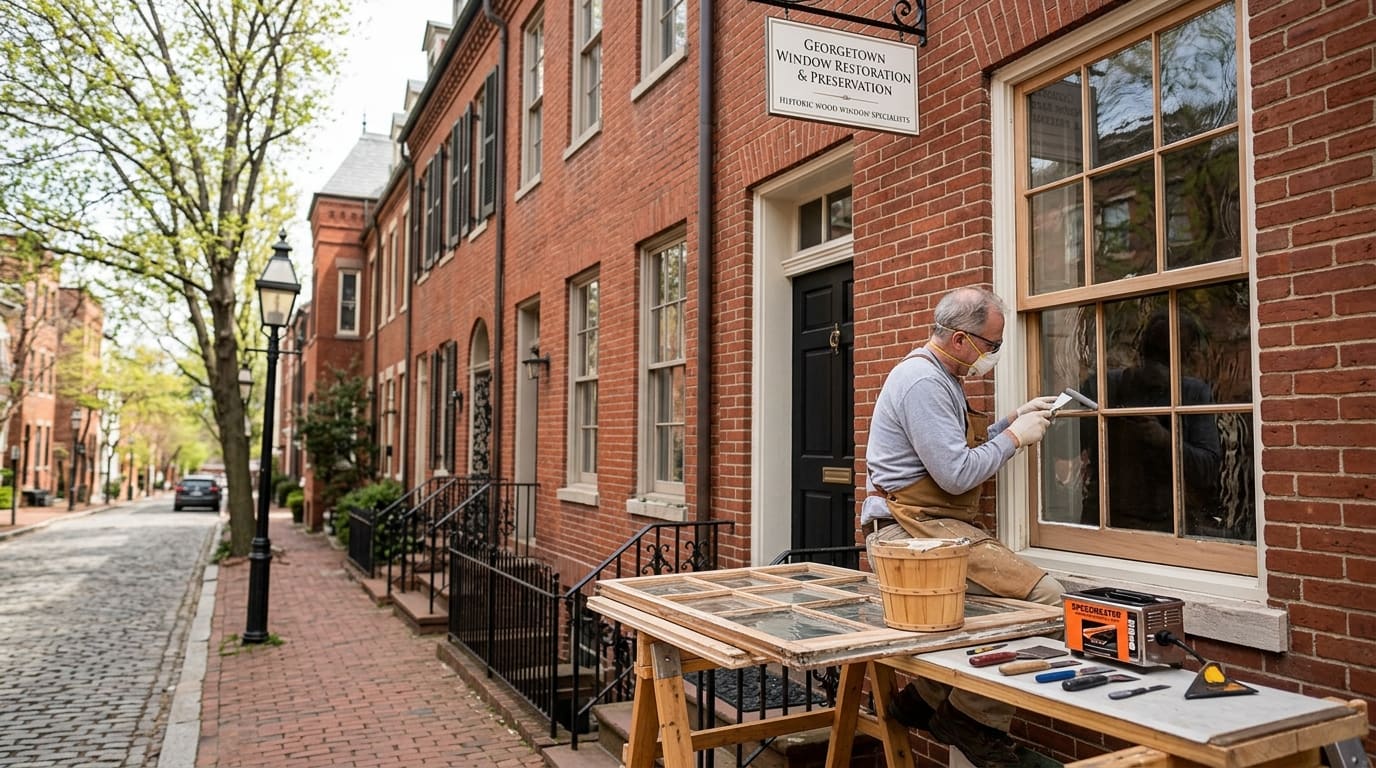
When replacing glass in an existing home, the general rule is that the replacement glass must meet current code requirements — even if the original glass predated those requirements. This means replacing a non-safety-glazed window in a code-required location (such as next to a door or in a bathroom) with standard annealed glass would be a code violation. The replacement must be tempered or laminated safety glass. For historic homes in designated historic districts — common throughout the DMV area in neighborhoods like Georgetown, Old Town Alexandria, Dupont Circle, and Annapolis — navigating the intersection of safety code requirements and historic preservation guidelines requires experience and judgment.
Virginia Glass Windows ensures that every glass replacement and installation we perform meets the applicable building code requirements for the specific jurisdiction and application. We verify safety glazing requirements before ordering glass, we use only certified safety glazing products where required, and we provide documentation of the glass specification for your records and for building inspections. Call (703) 470-7867 for a free assessment of your glass replacement project and code requirements throughout Washington DC, Maryland, and Virginia.
About the Author
Mike Reynolds
Lead Glass Technician & Owner
With over 15 years of experience in window and glass repair across the DC, Maryland, and Virginia area, Mike shares practical expertise to help homeowners and businesses make informed decisions about their glass repair and replacement needs.
Need Help With Your Glass?
Our experts are ready to help with any window or glass issue. Free estimates, same-day service available across DC, MD & VA.
Related Articles
Continue reading about safety
More Safety
View All
Security Glass Options for DMV Homes: Tempered, Laminated & Impact-Resistant
8 min read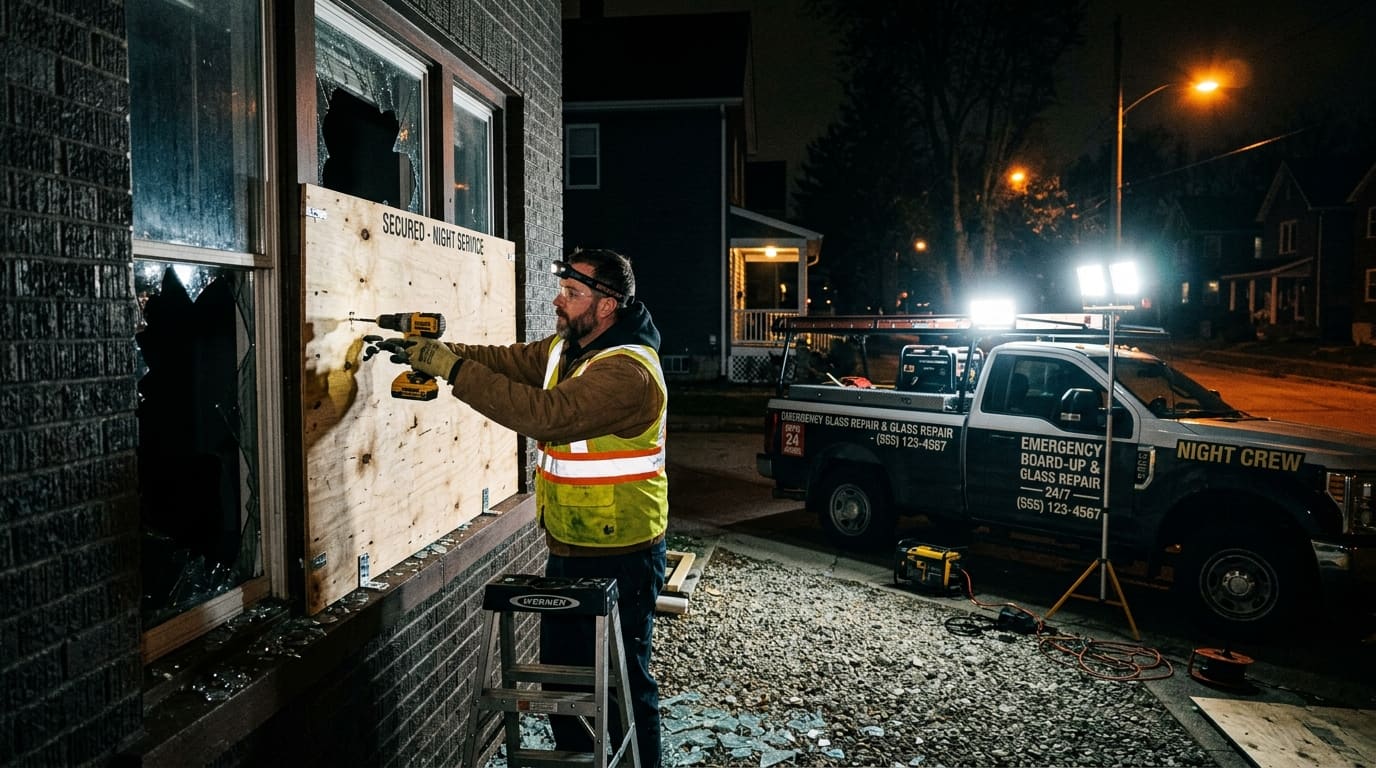
Emergency Window Repair: What to Do When Your Glass Breaks
6 min read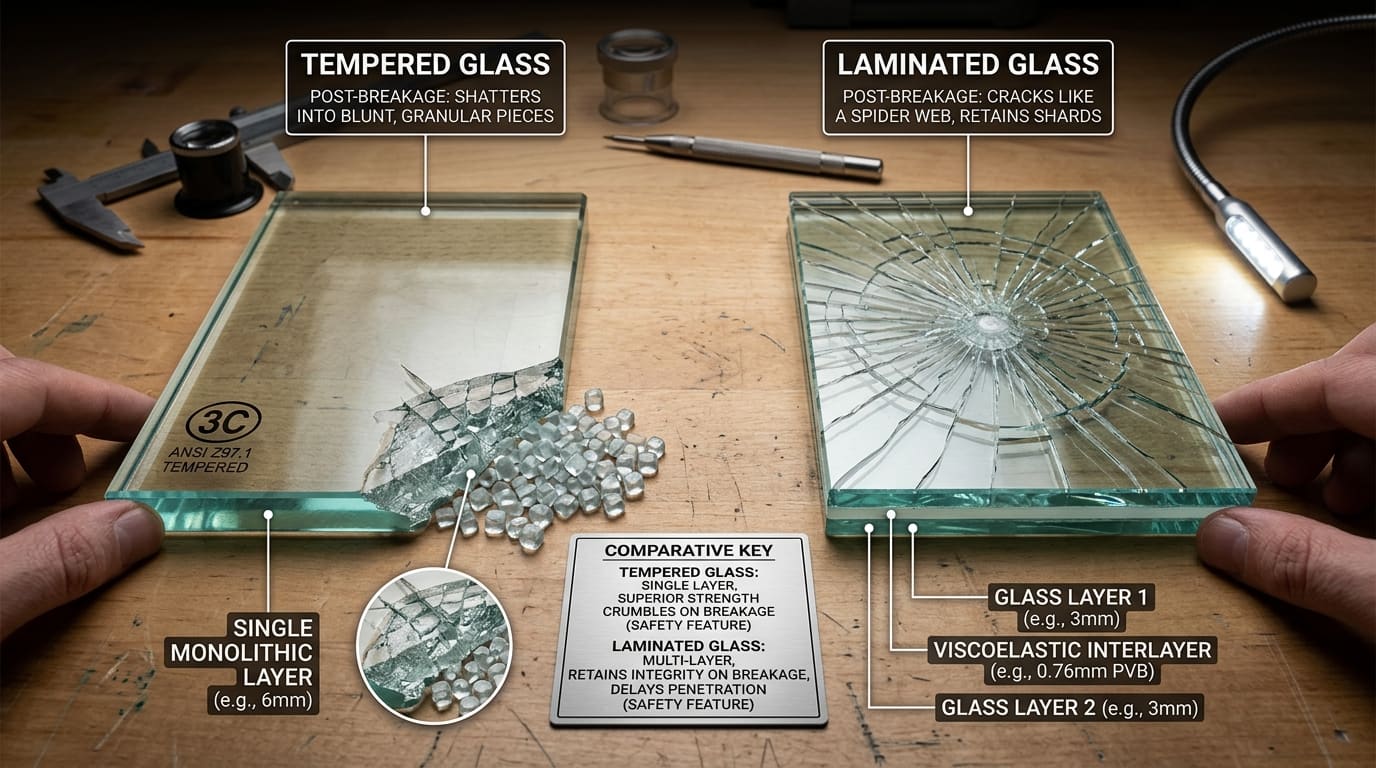
Glass Fence & Railing Code Requirements: Pool, Deck & Balcony
6 min readHurricane Impact Glass vs Regular Glass: Strength, Cost & Protection
6 min readExplore More Resources
Helpful Guides
Common Problems
Related Pages
Our Services
24/7 Emergency
Board-Up & Glass
Licensed & Insured
DC, MD & VA
300+ Areas
DMV Coverage
Same-Day Service
When You Need It
Ready to Get Started?
Get a free estimate for any window or glass service across the DMV area.