Best Glass for Bathroom Windows: Privacy, Safety, and Moisture Resistance
Bathroom windows have unique requirements that standard clear glass cannot fully meet. Privacy, safety glazing codes, and the moisture-heavy environment all factor into the right glass choice. Here is what to consider.
Mike Reynolds
Lead Glass Technician & Owner
In This Article
Why Bathroom Windows Require Special Consideration
Bathroom windows face a combination of demands that no other window in a home encounters: privacy from outside views, building code safety glazing requirements, daily exposure to steam and humidity, and often limited natural ventilation. Choosing the wrong glass creates problems that compound over time — a privacy glass that fogs internally, a non-safety-rated glass in a code-required location, or a glass type that deteriorates rapidly in a moist environment.
In the DMV area, building codes require safety glazing in bathroom windows where the glass is within 60 inches of the floor and within 5 feet of the bathtub or shower surround. This requirement exists because bathroom slips and falls are common, and falling into standard annealed glass can cause catastrophic injuries. Any bathroom window replacement should confirm safety glazing compliance — and any older bathroom window with standard clear glass in a code-required location is an accident risk worth addressing proactively.
Option 1: Obscure Glass (Patterned or Frosted)
Obscure glass is the traditional choice for bathroom windows and remains the most widely specified option. The textured or frosted surface diffuses light while blocking clear views from outside, providing privacy without blocking natural light entirely. Obscure glass is available in dozens of patterns ranging from fine, nearly-uniform textures (like "Mistlite" or "Rain") that provide high privacy to more decorative patterns that create interesting light effects while still obscuring views.
When combined with a double-pane insulated glass unit (IGU), obscure glass provides the same energy performance as clear glass while adding privacy. The obscuring texture is on the outer surface of the glass, so it does not interfere with the IGU seal or the interior glass surface. Obscure IGUs are standard products available from most glass suppliers and can be ordered in any size needed for a bathroom window replacement.
Safety-rated obscure glass is available as tempered — the same tempering process that makes glass break into small, relatively harmless pieces rather than sharp shards can be applied to obscure glass, satisfying both the privacy and safety code requirements simultaneously.
Option 2: Frosted Glass (Acid-Etched or Sandblasted)
Frosted glass differs from patterned obscure glass in that the surface is uniformly matte rather than textured. The frosted effect is achieved either by acid etching (a chemical process that creates a smooth, satin-like surface) or sandblasting (which creates a slightly rougher texture). Frosted glass provides a clean, modern look that works well with contemporary bathroom aesthetics.
One consideration with frosted glass: the acid-etched surface can be more difficult to keep clean in a moist environment — soap residue and water minerals can accumulate in the etched surface texture. Sealing the frosted surface with a glass sealant after installation and maintaining regular cleaning helps preserve the appearance. Sandblasted frosted glass has similar maintenance considerations.
Like obscure glass, frosted glass is available as tempered for safety glazing compliance and can be incorporated into a double-pane IGU for energy efficiency. For shower enclosure windows or very high-privacy applications, frosted glass can also be specified with a privacy coating on the interior surface that makes the glass completely opaque from outside while still transmitting diffused light.
Option 3: Glass Block
Glass block windows have been used in bathrooms for decades and remain popular for basement bathroom windows and applications where maximum privacy combined with some natural light is the priority. Glass block is inherently private — it transmits light but no images whatsoever — and is highly moisture-resistant since it has no coated or etched surfaces to deteriorate in a humid environment.
Traditional mortared glass block windows are heavy and permanent, essentially wall elements rather than operable windows. Modern glass block systems use a prefabricated panel approach that is lighter and can be installed in a standard window rough opening. However, glass block windows are generally not operable for ventilation, which can be a disadvantage in a bathroom that relies on the window for air circulation.
Option 4: Smart Glass (Electrochromic or Privacy Film)
Switchable smart glass — which transitions from clear to frosted with the flip of a switch — is an option for bathroom windows where the ability to switch between clear views (for light when no privacy is needed) and full privacy is desirable. Smart glass uses a polymer-dispersed liquid crystal (PDLC) film sandwiched between glass layers that scatters light when no voltage is applied (frosted, private) and aligns when voltage is applied (clear).
Smart glass is a premium option with a significantly higher cost than standard obscure or frosted glass. It is best suited for master bathroom windows where the view is particularly desirable, such as a window overlooking a private garden, and where the ability to enjoy that view at certain times while maintaining privacy at others adds real value.
Safety Glazing: What the Code Requires
As noted above, safety glazing in bathroom windows is a building code requirement in most DMV jurisdictions when the window is within 60 inches of the floor and within 5 feet of a bathtub or shower. "Safety glazing" means either tempered glass (which breaks into small, relatively blunt fragments) or laminated glass (which holds together when broken). For bathroom windows, tempered is the most common choice — it is available in all the privacy glass types described above and adds no significant visual difference to the appearance.
If your bathroom has older windows with standard annealed glass in a code-required location, replacement with safety-rated glass is both a code compliance issue and a genuine safety matter. Our window glass replacement service includes safety glazing assessment and specification for every bathroom window project. Use our free photo estimate to get started, or call (703) 470-7867.
About the Author
Mike Reynolds
Lead Glass Technician & Owner
With over 15 years of experience in window and glass repair across the DC, Maryland, and Virginia area, Mike shares practical expertise to help homeowners and businesses make informed decisions about their glass repair and replacement needs.
Need Help With Your Glass?
Our experts are ready to help with any window or glass issue. Free estimates, same-day service available across DC, MD & VA.
Related Articles
Continue reading about glass repair
More Articles
View All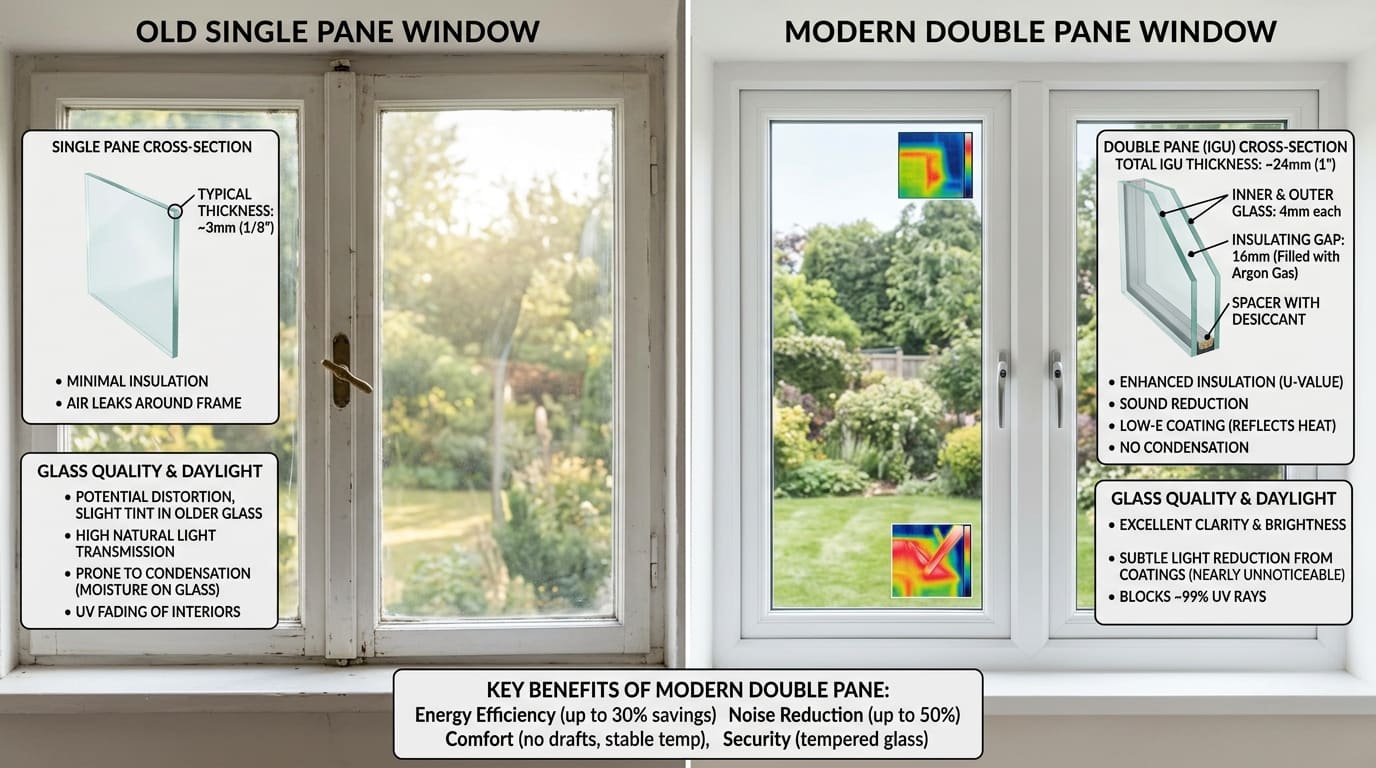
Basement Egress Window Glass Options: Codes, Safety, and Below-Grade Performance
8 min read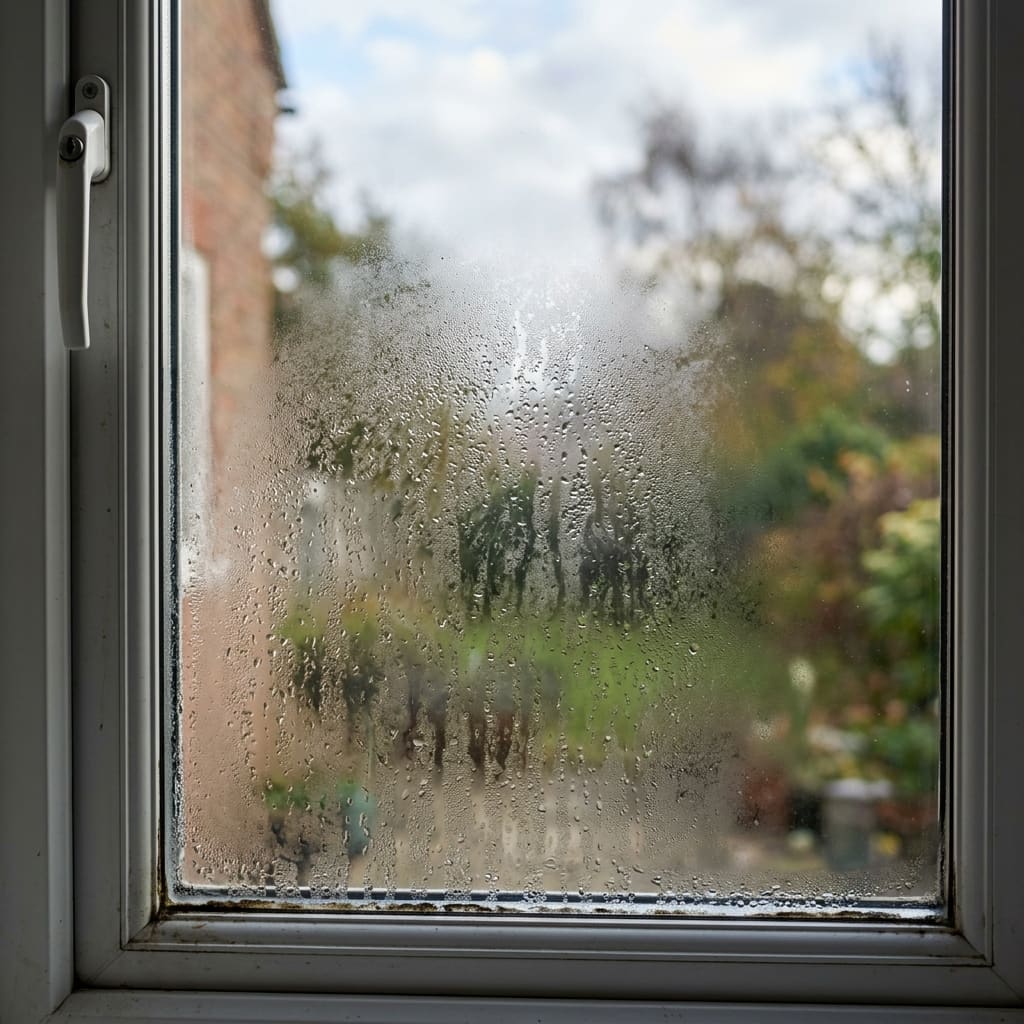
Condensation Between Window Panes: Why It Happens and What Actually Fixes It
9 min read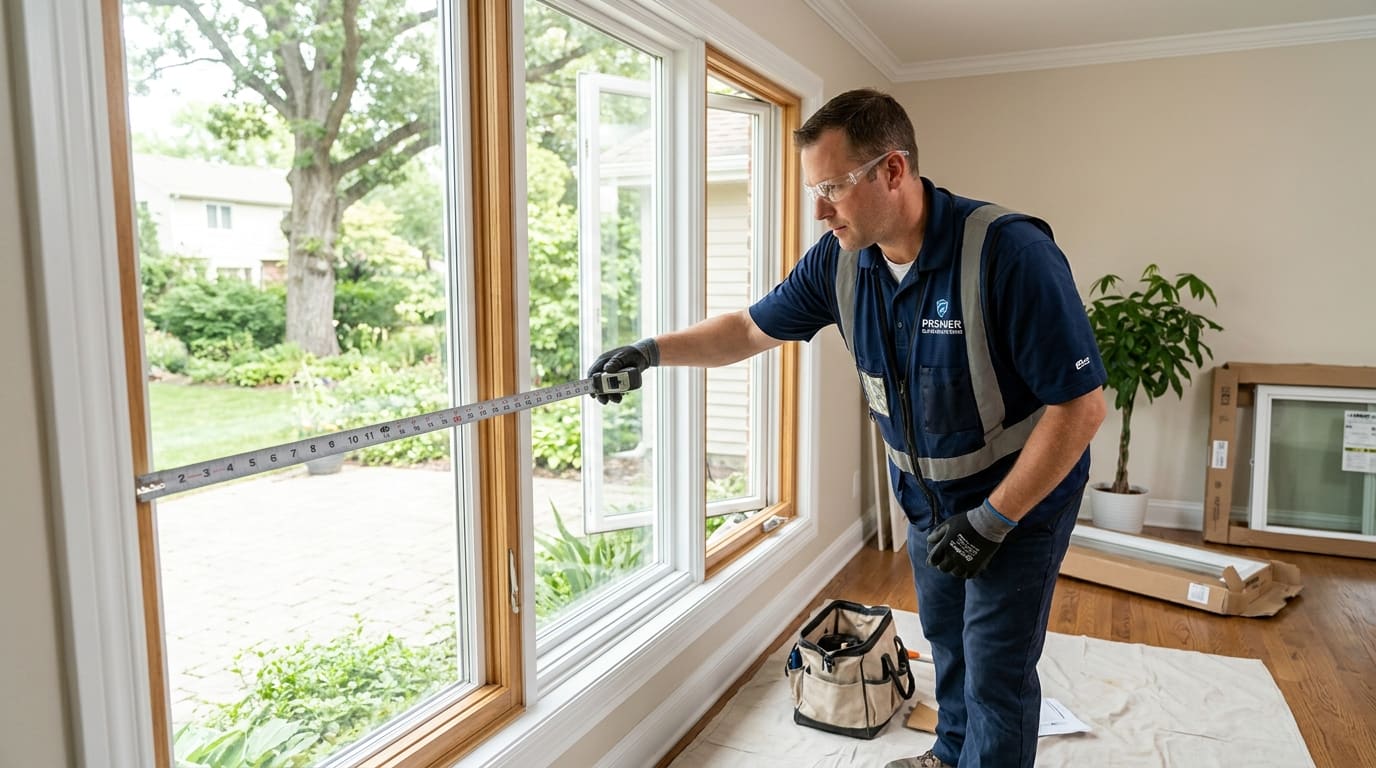
Replacing Glass in Aluminum Frame Windows: Challenges, Methods, and When to Upgrade
8 min read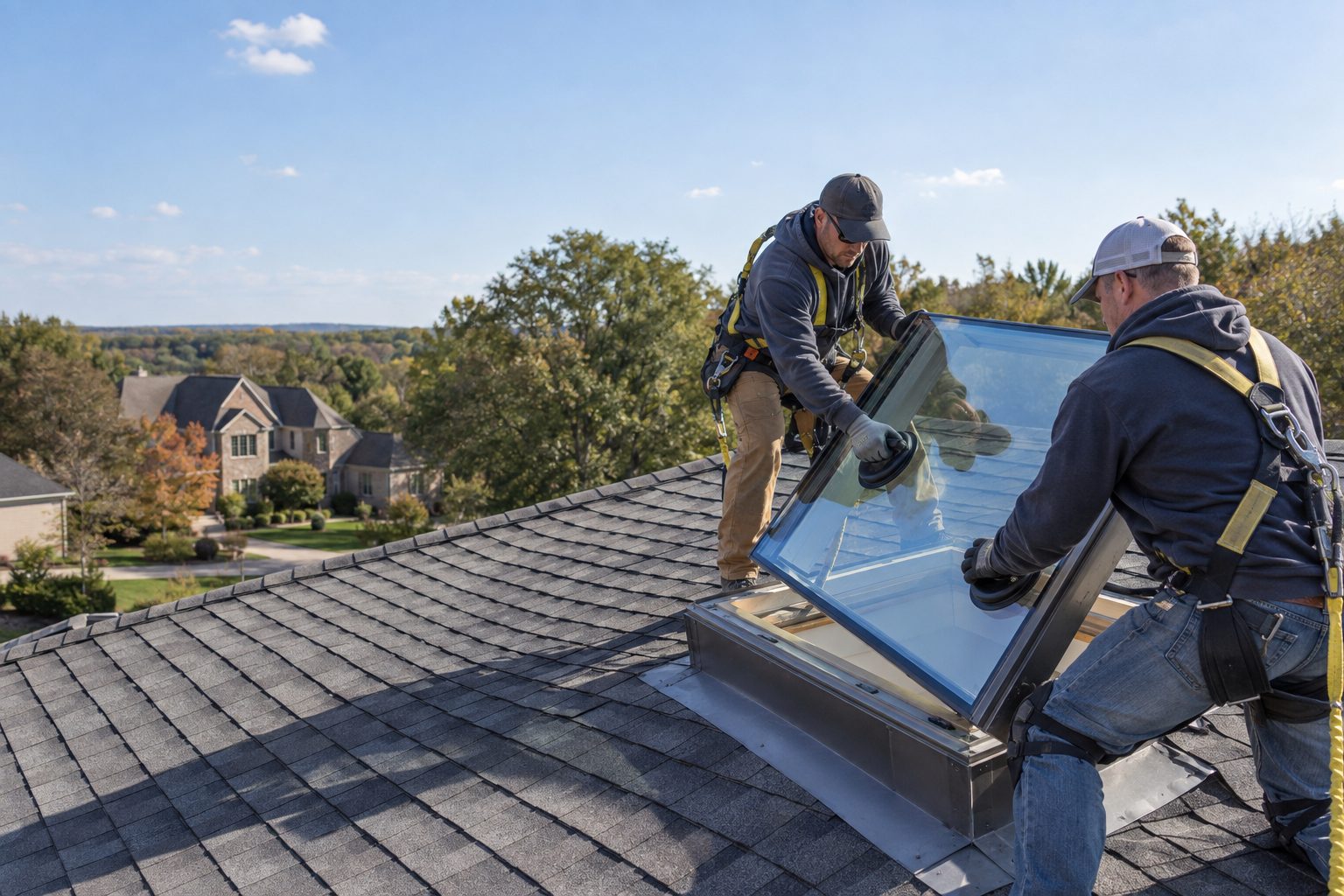
Cathedral Ceiling and Clerestory Window Glass: The Unique Challenges and Solutions
8 min readExplore More Resources
Common Problems
Related Pages
Our Services
24/7 Emergency
Board-Up & Glass
Licensed & Insured
DC, MD & VA
300+ Areas
DMV Coverage
Same-Day Service
When You Need It
Ready to Get Started?
Get a free estimate for any window or glass service across the DMV area.