Window Frame Materials Compared: Vinyl, Wood, Aluminum, Fiberglass, and Composite
Which window frame material is right for your DMV home? Virginia Glass Windows compares vinyl, wood, aluminum, fiberglass, and composite frames — performance, cost, and glass compatibility.
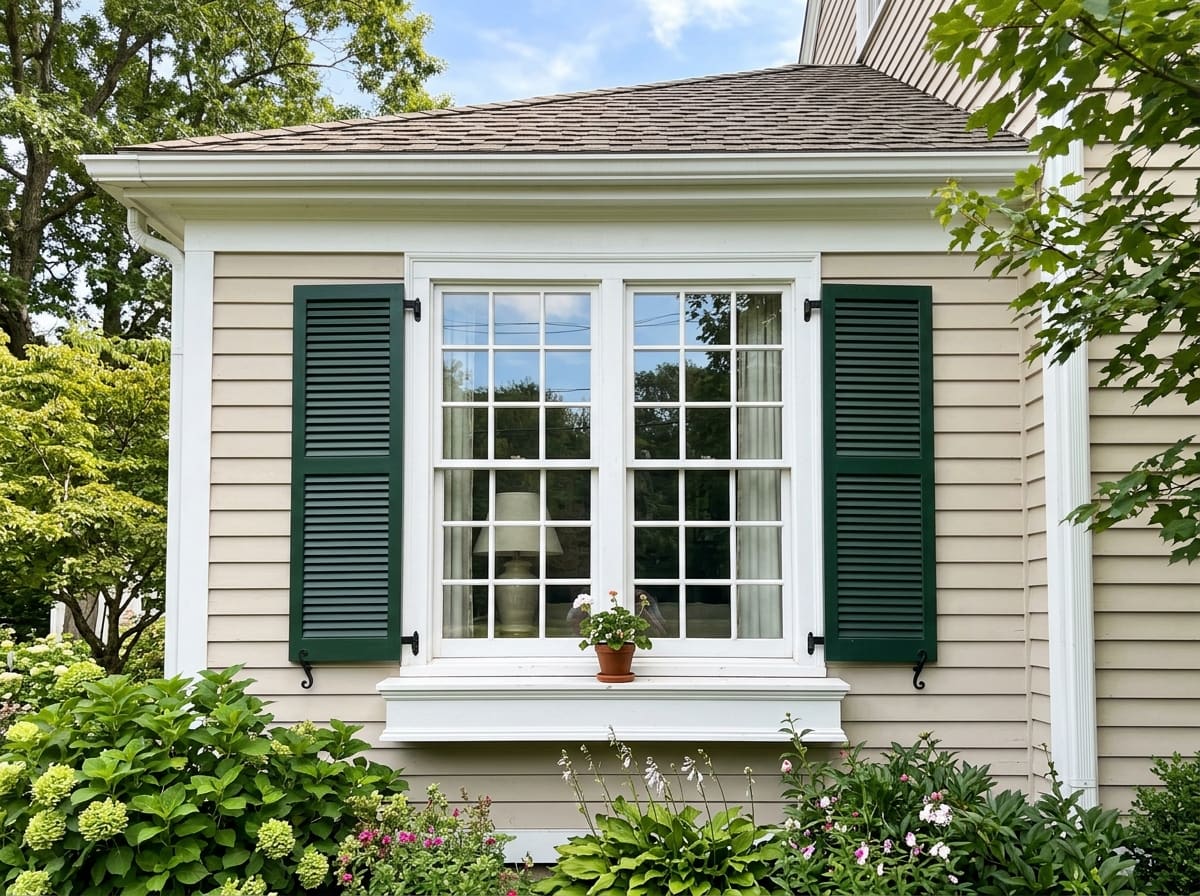
Why Frame Material Matters as Much as Glass
When homeowners contact us about foggy or drafty windows, they focus on the glass — and glass does account for the majority of thermal performance. But the frame surrounding that glass is equally important for durability, maintenance burden, structural integrity, and long-term cost of ownership. In the DMV area, where humidity swings from bone-dry winters to sweltering July afternoons, where pollen coats everything in April, and where storm damage from nor'easters and occasional severe weather is a real seasonal risk, frame material choice makes a genuine difference in how a window performs over 20, 30, or 40 years.
The five frame materials on the market today — vinyl, wood, aluminum, fiberglass, and composite — each have distinct performance profiles. Understanding those profiles in the context of the DMV's mixed climate, its architecture (ranging from 1890s rowhouses in Capitol Hill to 1970s colonials in Burke to contemporary construction in Reston), and your own maintenance tolerance helps you make the right long-term investment. If you are replacing glass in an existing window, the frame material also determines what glass options are compatible and how the new glass must be specified.
Vinyl Frames: The Market Leader
Vinyl (PVC) frames dominate new residential window installations in the DMV for good reasons: they are affordable, maintenance-free, thermally efficient, and available in an enormous range of sizes and configurations. Vinyl does not rot, corrode, fade, or need painting. It cleans with soap and water. A quality vinyl window installed correctly will perform without significant maintenance for 20 to 30 years.
The thermal performance of vinyl frames is genuinely good. PVC is a poor heat conductor, so vinyl frames do not create the thermal bridging problems that aluminum frames do. Multi-chamber vinyl extrusions — where the hollow cavities inside the frame profile are divided into multiple separate chambers — further reduce heat conduction and provide structural stiffness. Modern vinyl frames from quality manufacturers often achieve whole-window U-factors (including frame) of 0.25 to 0.32, meeting or exceeding Energy Star requirements for the DMV climate zone.
The main limitations of vinyl are aesthetic and structural. Vinyl is only available in a limited palette of factory colors (typically white, almond, tan, and a few dark wood-grain textures), and unlike wood or fiberglass, it cannot be painted — the frame's color is permanent. For historic homes in Georgetown, Capitol Hill, Old Town Alexandria, or Chevy Chase, where preservation boards often require specific appearance standards, vinyl may not be acceptable. Structurally, vinyl is less rigid than aluminum, wood, or fiberglass, which limits maximum sash sizes and makes vinyl less appropriate for very large picture windows or high-wind exposure locations. If you are replacing glass in existing vinyl frames, confirm that the new IGU thickness is compatible with the frame's glass pocket depth before ordering.
Wood Frames: The Classic Choice
Wood frames are the original window material and remain the standard in historic DMV properties and high-end residential construction where authentic character and the ability to match custom millwork details matter. Wood frames can be painted any color, stained to show natural grain, or finished to match historic profiles exactly. They are the most architecturally versatile frame material available.
Structurally, wood is strong and dimensionally stable when properly maintained. High-quality wood windows with appropriate exterior cladding — aluminum, fiberglass, or vinyl cladding over the exterior wood surfaces — provide decades of reliable service with minimal maintenance. The cladding protects the structural wood from moisture and UV while preserving the interior wood aesthetics and paintability that make wood windows architecturally desirable. For DMV homes in historic districts where the exterior window profile must match period originals, wood frames with aluminum exterior cladding are often the best available option.
The fundamental limitation of wood is maintenance. Uncladded wood frames must be painted or sealed every 4 to 7 years. In the DMV's climate — with freeze-thaw cycles in winter and extended summer humidity — paint failure is an ongoing process rather than a rare event. Neglected wood frames rot, particularly at the sill where water pools, and at painted joints where water infiltrates behind failing paint. Rotted wood frames are not salvageable and require full window replacement. If you own wood-framed windows, inspect them annually for soft spots, paint failures at joints, and any signs of moisture damage. Catching a minor rot problem before it spreads can save the cost of a full replacement. Visit <a href="/services/window-glass-repair">/services/window-glass-repair</a> to schedule an assessment.
Aluminum Frames: Strength and Commercial Appeal
Aluminum frames dominated commercial construction throughout the mid-20th century and remain the standard for commercial storefronts, curtain walls, and large commercial windows in DC office buildings, retail centers, and institutional facilities throughout Maryland and Virginia. Their appeal in commercial applications is straightforward: aluminum is extremely strong, dimensionally stable, and available in virtually any custom shape through extrusion. Large commercial windows that would flex or bow in vinyl or wood can be engineered reliably in aluminum.
For residential applications, aluminum's weakness is its thermal conductivity. Aluminum conducts heat approximately 1,000 times better than glass and several thousand times better than vinyl or wood. An aluminum frame without a thermal break is essentially a radiator in winter and a solar collector in summer, dramatically worsening whole-window energy performance regardless of how good the glass unit is. Modern thermal break aluminum frames address this by bonding the interior and exterior aluminum sections together with a structural polyurethane or nylon insulator, interrupting the heat conduction path. Thermal break aluminum achieves reasonable residential energy performance but still lags behind vinyl, fiberglass, and wood.
In the DMV residential market, aluminum frames appear most often in older homes built in the 1960s and 1970s when aluminum was the dominant material, and in contemporary homes where the slim profile and industrial aesthetics of aluminum are architecturally intentional. For glass replacement in aluminum frames, the glazing pocket dimensions and glass stop profiles vary significantly by manufacturer, so professional measurement is important to ensure the new glass fits correctly.
Fiberglass and Composite Frames: The Premium Option
Fiberglass window frames represent the premium tier of the residential window market and, from a pure performance standpoint, are arguably the best overall frame material for the DMV climate. Fiberglass expands and contracts at nearly the same rate as glass (matching thermal coefficients), which means the glass-to-frame seal experiences minimal stress cycling over temperature swings — a significant advantage in the DMV's 90-degree seasonal temperature range. Vinyl expands and contracts at a much higher rate than glass, creating ongoing stress at the glass-frame interface that contributes to seal failure over time.
Fiberglass frames are extremely strong — stronger than vinyl and comparable to aluminum — which allows slimmer profiles for the same structural performance and enables larger sash sizes without flexing. They are thermally non-conductive, achieving U-factors competitive with multi-chamber vinyl. Unlike vinyl, fiberglass can be painted with exterior paints after manufacturing, giving homeowners flexibility to match trim colors or change colors over time. For DMV homeowners who want maintenance-free performance combined with paintability and superior longevity, fiberglass is worth the 15 to 30 percent premium over vinyl.
Composite frames — typically a mixture of wood fiber and vinyl or polymer — occupy a middle ground, offering better dimensional stability than vinyl with lower maintenance requirements than wood. Quality composite frames like Ultrex fiberglass-reinforced composites are marketed as combining wood aesthetics with synthetic durability. In the DMV market, composites appear in mid-to-upper-range replacement window products. When evaluating composite frames, ask specifically about the wood fiber percentage, the warranty against rotting and delamination, and the manufacturer's paint system compatibility. For glass replacement in any frame type, visit <a href="/photo-estimate">/photo-estimate</a> to submit photos for a free custom quote.
Choosing the Right Frame for DMV Conditions
For most DMV homeowners replacing windows in standard residential construction built after 1980, quality vinyl frames provide the best cost-performance balance. For historic homes in preservation districts, wood or wood-clad frames are often required and are the right aesthetic choice. For large commercial openings or curtain walls, aluminum with thermal break is the standard. For homeowners who want maximum performance, long-term paintability, and are willing to invest in premium materials, fiberglass is the top choice.
Frame material also has practical implications when you are replacing glass in existing windows rather than replacing the entire window. Vinyl frames with damaged glazing beads, aluminum frames with corroded glazing stops, and wood frames with paint buildup in the rabbet all affect how replacement glass is specified and installed. Our technicians assess frame condition at every glass replacement visit and advise whether frame repairs or window replacement make more sense than glass-only service. See our <a href="/guides/repair-vs-replace">repair vs replace guide</a> for more context on making this decision.
Need Help With Your Glass?
Send us a photo of your window or glass issue and get a free estimate within hours. Our experts serve all of DC, Maryland, and Virginia.
Common Questions
Frequently Asked Questions
Answers to common questions about this topic from our DMV glass experts.
Keep Reading
Related Guides
Explore More Resources
Related Articles
Common Problems
Related Pages
Our Services
Ready to Get Started?
Get a free estimate from our glass experts. Same-day service available across DC, MD & VA.