Glass Selection for New Builds & Major Renovations: Working with Builders in the DMV
Glass specifications for new construction and major renovation in DC, Maryland, and Virginia. Energy code compliance, builder coordination, and product selection. Virginia Glass Windows.
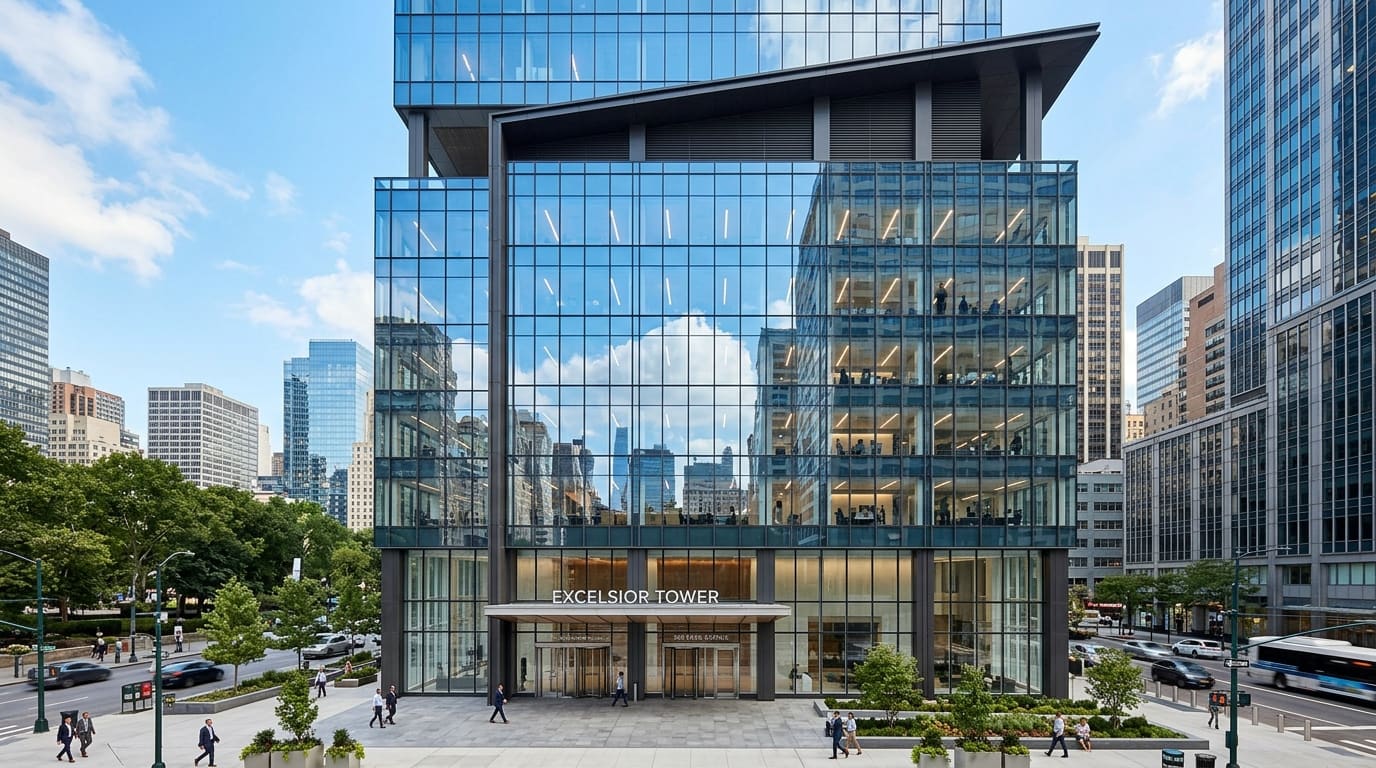
The New Construction Glass Decision Is Not as Simple as the Window Catalog Suggests
When a homeowner or builder is in the glass selection phase of a new construction or major renovation project in the DMV, the conversation often starts with "we just want standard windows." There is nothing wrong with that as a starting point, but "standard" is doing a lot of work in that sentence. The performance difference between the lowest-cost window that meets DMV energy code and the best available high-performance glazing option is enormous — and in a climate as varied as ours, where summer heat gain and winter heat loss are both significant factors, that difference shows up in comfort and energy bills for decades.
We work on the glass package side of new construction and major renovation throughout the DC, Maryland, and Virginia market. Our role varies by project: sometimes we are brought in by the architect to specify glass early in the design process; sometimes we are brought in by the builder during framing to establish the window and glass package before the mechanical systems are sized; sometimes we are brought in by the homeowner who has had a bad experience with a previous builder's glass spec and wants to understand their options before signing off on the specifications.
This guide walks through the key glass decisions in a new construction or major renovation project, what the relevant energy codes require, how to work productively with a glass professional through the builder relationship, and what we see as the common specification mistakes that create regret years later.
Understanding the DMV Energy Code Requirements for Glass
The DMV sits across three jurisdictions (DC, Maryland, Virginia) that have each adopted versions of the International Energy Conservation Code (IECC) with local amendments. All three jurisdictions have progressive energy codes that set minimum performance requirements for window and glass installations, expressed primarily as U-factor (thermal transmittance) and Solar Heat Gain Coefficient (SHGC) limits.
For the 2021 IECC which DC has adopted (with Maryland and Virginia in various stages of adoption), residential window requirements in our climate zone (Zone 4, marine in some DMV jurisdictions, mixed-humid in others) specify maximum U-factor of 0.30 and maximum SHGC of 0.40 for most residential applications. This code minimum requires at least a decent low-E double-pane window — it rules out basic double-pane without low-E coatings. However, there is significant performance range above the code minimum, and specifying only to minimum code is a common new construction mistake.
Commercial new construction in DC, Maryland, and Virginia is governed by the IECC commercial provisions and ASHRAE 90.1, which specify both overall glazing area limits (window-to-wall ratio requirements) and glass performance requirements. For commercial projects in the DMV, energy code compliance is reviewed by the building department during permit review. Virginia Glass Windows provides specification documentation and product data sheets for commercial glass installations to support permit applications.
Triple-Pane vs. Double-Pane: The DMV Case
The question of whether to specify triple-pane windows in a DMV new construction project comes up regularly, and the honest answer is that it depends on factors specific to your project. Triple-pane insulated glass achieves U-factors of 0.15 to 0.20 compared to 0.22 to 0.28 for premium double-pane — a meaningful improvement in thermal performance that reduces heat loss through the glass in winter and slightly reduces solar heat gain in summer.
In the DMV climate, the payback calculation for triple-pane versus premium double-pane depends heavily on the design of the rest of the building envelope. If you are building a highly insulated, very tight building envelope targeting ENERGY STAR certification or passive house levels of performance, triple-pane glazing is an appropriate component of that package — the high-performance glass is matched by the high-performance walls and roof. If you are building a conventionally constructed home with standard insulation and air sealing, triple-pane windows will outperform every other element of the envelope, and the energy savings may not justify the significant cost premium over premium double-pane.
There is also a weight consideration that matters in the DMV market. Triple-pane units are significantly heavier than double-pane, and the window frames must be specified to handle the additional weight. For casement and awning windows this is manageable; for large sliding glass doors or picture windows, triple-pane weight can require structural modifications to the rough opening and heavier hardware. We have seen triple-pane glass specified in large glass door applications where the resulting hardware loads caused premature wear and operating difficulty within a few years.
Coordinating with Builders and Architects
The glass package in a new construction project is often managed through the window manufacturer rather than a separate glass contractor. The builder orders windows from a manufacturer, the windows arrive pre-glazed with glass installed in the frame at the factory, and the glass specification is whatever the window manufacturer provides in the selected product line. This is efficient for production builders, but it means the homeowner often has limited visibility into what glass they are actually getting unless they ask specific questions.
When we work with architects and custom builders on DMV projects, we recommend establishing the glass performance specification early — before the window brand and product line is selected — so that window manufacturers can be evaluated against the specification rather than having the specification defined by the window manufacturer's catalog. This is standard practice in commercial construction and is increasingly being applied to high-end residential projects in the DMV.
For major renovation projects, the situation is more complex because the existing rough openings constrain window and glass options. Existing frames may or may not accept new glass units of different thickness or type. If the renovation involves removing existing windows and replacing them entirely, the glass specification is open. If the renovation involves replacing only the glass units within existing frames (applicable for high-quality frames in good condition), the glass options are constrained by what fits in the existing frame. Virginia Glass Windows conducts on-site assessments to determine what glass upgrade options are available within existing frames before recommending a course of action.
Specialty Glass for New Construction Features
New construction in the DMV increasingly features architectural glass elements beyond standard windows — large format picture windows with minimal framing, structural glass corners where two glass panels meet without a structural post, glass railings, skylights, clerestory windows, and glass-panel garage doors for both residential and commercial buildings. Each of these applications requires specific glass specification and installation expertise beyond what a standard window manufacturer provides.
Structural glass corners — a modern architectural detail where two floor-to-ceiling glass panels meet at a building corner without a structural post or column — require engineering analysis and specifically sized laminated glass units. These are impressive visual details but require careful structural coordination during the design phase. Virginia Glass Windows has executed several structural glass corner installations in the NoVA and DC markets and can participate in the design process to ensure constructability.
Skylights and roof glazing in new construction are among the most technically demanding glass applications. All overhead glazing in habitable spaces must be laminated glass per building code — a laminated failure holds together rather than dropping glass fragments on occupants. Skylight glass must also handle thermal cycling from direct solar exposure more aggressively than vertical glazing, and water management at the glazing edge is critical for preventing leaks. We recommend involving a glass specialist in the skylight design early in the process rather than treating it as a field-coordinated item during construction.
Documentation, Warranties, and Long-Term Performance
One of the most practical things we do on new construction projects is establish a glass documentation package — a record of exactly what glass was installed, including manufacturer, product name, glass type, low-E coating specification, argon fill percentage, and relevant certifications (NFRC label values, safety glazing certifications). This documentation serves several purposes: it is needed for building permit final inspection, it establishes the warranty baseline for the glass units, and it is the reference document when a glass panel needs replacement years later and the exact match must be determined.
Insulated glass unit warranties are typically 5 to 20 years depending on manufacturer and product line. The warranty covers seal failure (fogging between the panes) and glass defects. It does not cover breakage. For a new construction project, the warranty should be passed through to the homeowner in a form that is actually useful — the manufacturer's warranty documentation, the installation date, and the product identification information needed to make a warranty claim.
New construction glass has a characteristic infant mortality period where manufacturing defects in IGU seals manifest in the first 1 to 3 years. A properly installed, code-compliant, warranted glass unit should not fog within 5 years of installation. If you are buying a new construction home in the DMV and a window fogs within the first few years, it is a warranty claim — not your problem to pay for. We frequently handle warranty glass replacement for new construction homeowners who have trouble getting the original builder or window installer to respond to warranty claims. Call us at (703) 470-7867 for a free assessment of any suspected warranty situation.
Need Help With Your Glass?
Send us a photo of your window or glass issue and get a free estimate within hours. Our experts serve all of DC, Maryland, and Virginia.
Common Questions
Frequently Asked Questions
Answers to common questions about this topic from our DMV glass experts.
Keep Reading
Related Guides
Explore More Resources
Related Articles
Common Problems
Our Services
Ready to Get Started?
Get a free estimate from our glass experts. Same-day service available across DC, MD & VA.