Argon Gas in Windows: What It Does, Benefits & Is It Worth It?
Argon gas fills the space between double-pane windows to improve thermal insulation, but many homeowners wonder what it actually does and if the upgrade pays for itself. The science and practical answer for DMV homes.
Mike Reynolds
Lead Glass Technician & Owner
In This Article
What Argon Gas Does Inside Your Windows
In a double-pane insulated glass unit (IGU), two panes of glass are separated by a sealed cavity — typically 1/2 inch wide. This cavity can be filled with ordinary air or with argon gas. Argon is a naturally occurring, non-toxic, odorless, colorless inert gas that makes up about 1 percent of Earth's atmosphere. The reason it is used in windows is simple physics: argon is denser than air and conducts heat more slowly. When argon fills the cavity between the panes, it reduces the transfer of heat energy from the warm side of the glass to the cold side more effectively than air alone.
Heat transfers through a window cavity in three ways: conduction (heat moving through the gas molecules), convection (warm gas rising and cool gas sinking, creating circulation currents), and radiation (infrared energy crossing the gap). Argon addresses the first two mechanisms — its higher density and lower thermal conductivity slow both conductive heat transfer and convective circulation within the cavity. Low-E coatings on the glass address the third mechanism by reflecting infrared radiation. Together, argon fill and Low-E coating create the high-performance insulated glass units that are the standard for modern residential windows.
How Much Difference Does Argon Make?
Replacing the air in an IGU cavity with argon improves the overall thermal resistance of the window by approximately 15 to 20 percent. In concrete terms, a standard double-pane window with air fill and no Low-E coating achieves a U-factor of approximately 0.47 (R-2.1). The same window with argon fill achieves approximately 0.40 (R-2.5). When combined with Low-E coating — which is how argon is used in practice — the improvement is even more significant: a Low-E air-filled unit might achieve U-0.32 (R-3.1), while a Low-E argon-filled unit achieves U-0.27 (R-3.7).
For DMV homeowners, this 15 to 20 percent improvement in thermal performance translates to measurable energy savings across both heating and cooling seasons. The DMV's mixed climate — with significant heating demand from November through March and heavy cooling demand from May through September — means your windows are a thermal barrier that matters 10 months out of every year. The argon improvement reduces heat loss in winter and reduces heat gain in summer, working in both directions to keep conditioned air where it belongs: inside your home.
Argon vs Krypton: What About the Premium Option?
Krypton gas is even denser than argon and provides slightly better thermal performance — approximately 5 to 10 percent improvement over argon. However, krypton costs significantly more than argon because it is far rarer in the atmosphere (about 1 part per million versus argon's 1 part per hundred). Krypton is primarily used in triple-pane windows with narrow cavities, where its performance advantage over argon is more pronounced in the thinner gas space.
For standard residential double-pane windows with the typical 1/2 inch cavity, argon provides the best balance of performance improvement and cost. The incremental benefit of krypton over argon in a standard cavity width is small relative to the significant cost increase. Triple-pane windows in premium DMV homes — particularly in passive-house or high-performance construction in areas like Great Falls, McLean, and Potomac — may justify krypton fill as part of a maximum-performance glazing specification. For the vast majority of DMV homeowners, argon is the right choice.
Does Argon Gas Leak Out Over Time?
Yes — all IGUs lose some argon over their lifespan, but the rate is slow and the impact is gradual. Industry studies show that a quality IGU loses approximately 1 percent of its argon fill per year through normal permeation through the seal. After 20 years, a well-made IGU retains approximately 80 percent of its original argon fill — more than enough to provide meaningful thermal benefit. The IGU is considered to maintain its rated performance as long as at least 80 percent of the original gas fill remains.
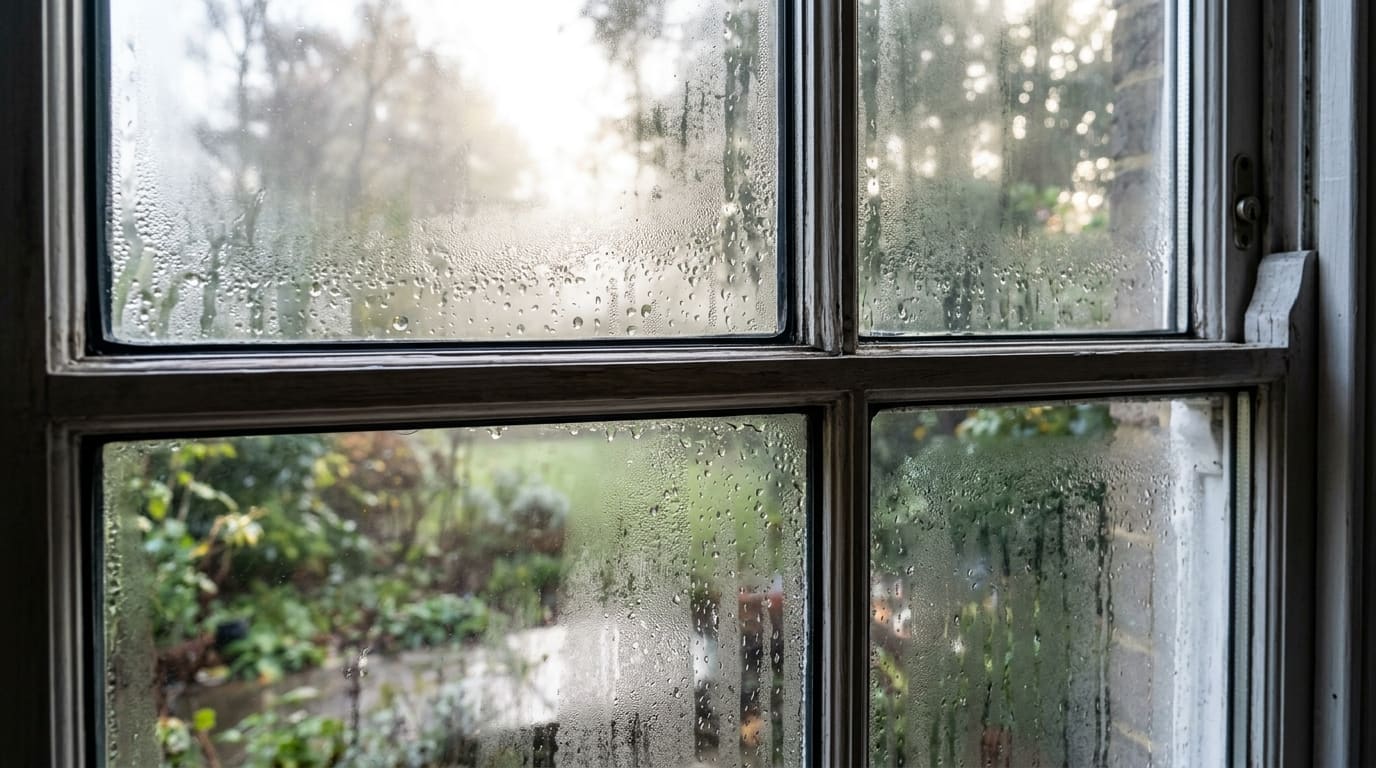
Premature argon loss — faster than the expected 1 percent per year — indicates a seal failure. This is the same seal failure that causes fogging between the panes: when the hermetic seal is breached, argon escapes and moisture-laden air enters. If your double-pane windows have developed fog or condensation between the panes, the argon gas is long gone and the window is performing significantly below its rated thermal specification. Replacing the failed IGU with a new factory-sealed argon-filled unit restores both the clarity and the insulating performance.
Is Argon Worth the Cost?
In virtually all modern IGU manufacturing, argon fill is included as a standard feature — it is not an optional upgrade that you pay extra for. The cost to fill an IGU with argon during manufacturing is minimal, and reputable glass fabricators include it in every residential IGU they produce. If you are being offered a choice between air-filled and argon-filled IGUs, the argon option is worth the small premium every time — the energy savings over the 20-plus year lifespan of the glass far exceed the modest upfront cost difference.
The more relevant question for most DMV homeowners is whether to replace aging windows that have lost their argon fill (either through gradual permeation over decades or through seal failure). If your IGUs are 20-plus years old, they have lost a meaningful percentage of their original argon even if the seals are intact. If the seals have failed and you see fogging, the argon is completely gone. In either case, replacing the IGUs with new argon-filled Low-E units restores the full thermal performance your windows were designed to provide — and if you upgrade from older clear glass to modern Low-E at the same time, the improvement is even more dramatic.
Argon and Your DMV Home
For DMV homeowners evaluating window glass replacement, argon fill should not be a separate decision point — it should be a given. Any quality IGU replacement you receive from Virginia Glass Windows includes argon fill as standard because the thermal benefit is too significant to omit. The real decisions are about glass type (clear versus Low-E), glass coatings (solar control versus passive retention based on window orientation), and whether to add tempered or laminated glass for safety or security.
If you have questions about the gas fill in your current windows, or if you are noticing signs of seal failure like fogging between panes, contact Virginia Glass Windows at (703) 470-7867. We assess your current glass, explain your upgrade options in plain language, and provide transparent pricing for IGU replacement that includes argon fill, quality spacer systems, and your choice of glass coatings. We serve homeowners throughout Washington DC, Maryland, and Virginia — keeping DMV homes comfortable and energy-efficient year-round.
About the Author
Mike Reynolds
Lead Glass Technician & Owner
With over 15 years of experience in window and glass repair across the DC, Maryland, and Virginia area, Mike shares practical expertise to help homeowners and businesses make informed decisions about their glass repair and replacement needs.
Need Help With Your Glass?
Our experts are ready to help with any window or glass issue. Free estimates, same-day service available across DC, MD & VA.
Related Articles
Continue reading about energy efficiency
More Energy Efficiency
View All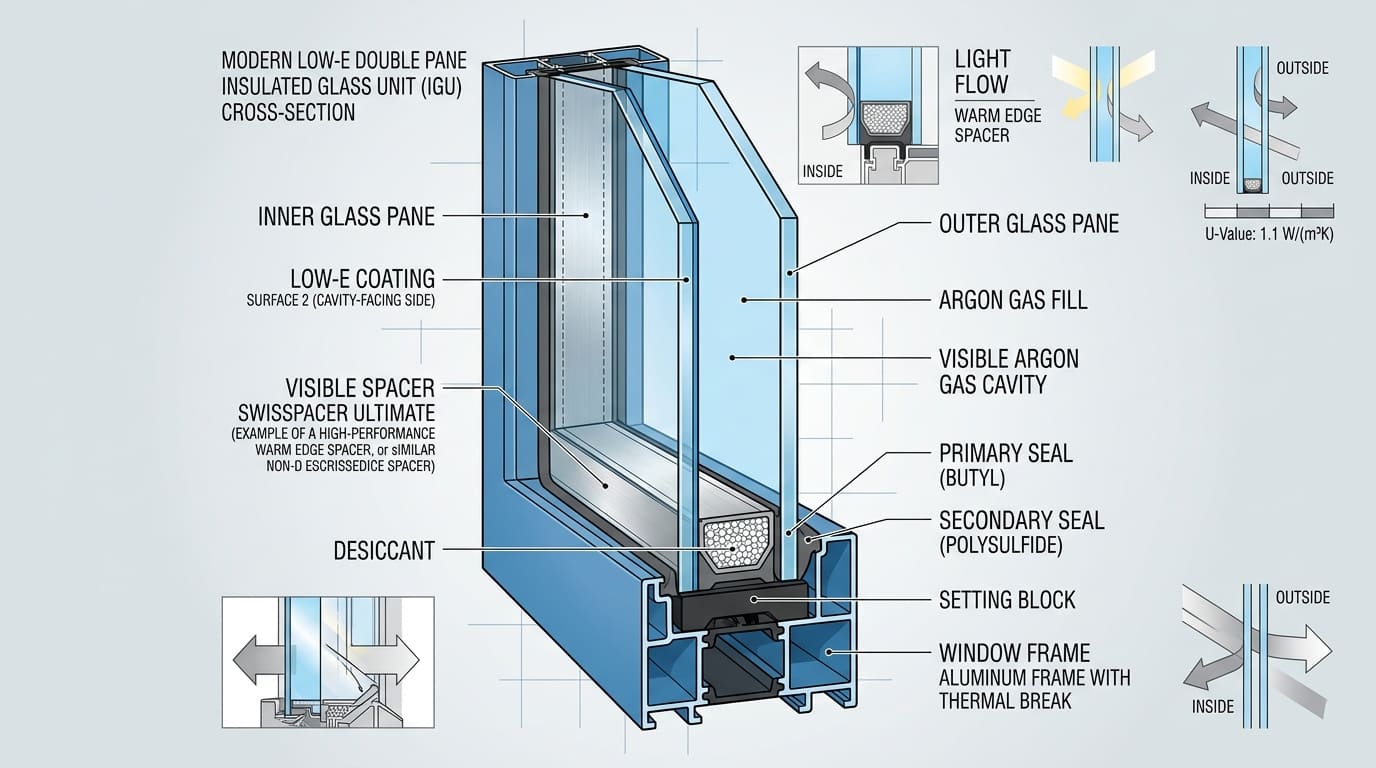
Energy-Efficient Glass Upgrades for DMV Homes: Low-E, Argon & Beyond
10 min read
Low-E Glass Explained: Is It Worth the Upgrade for Your DMV Home?
7 min read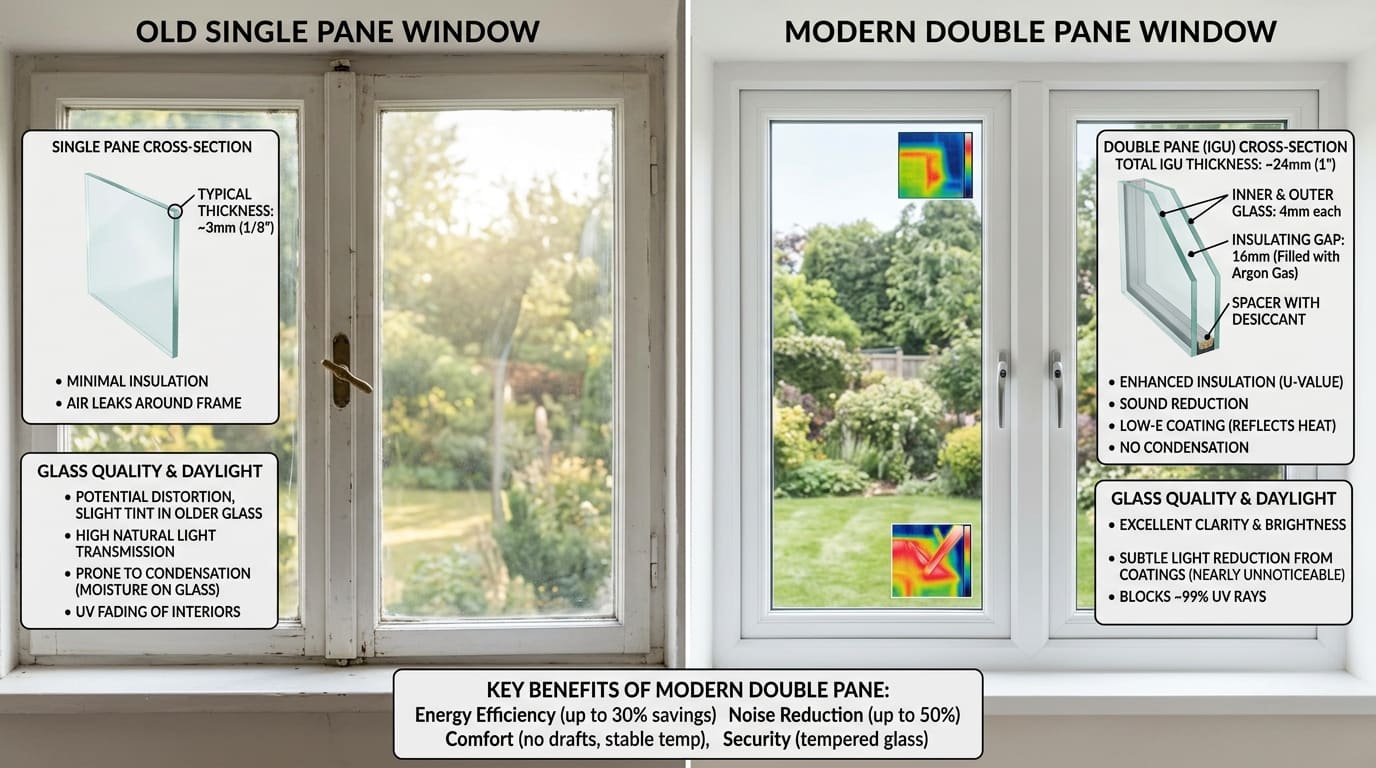
When to Upgrade from Single-Pane to Double-Pane Windows in the DMV
8 min read
How Glass Replacement Saves Money on Energy Bills in the DMV
7 min readExplore More Resources
Helpful Guides
Common Problems
24/7 Emergency
Board-Up & Glass
Licensed & Insured
DC, MD & VA
300+ Areas
DMV Coverage
Same-Day Service
When You Need It
Ready to Get Started?
Get a free estimate for any window or glass service across the DMV area.