Glass Shelving and Display Cases: Thickness, Brackets, and Safety in the DMV
Everything you need to know about glass shelving and display cases — thickness selection, bracket systems, tempered requirements, and installation. From Virginia Glass Windows in DC, Maryland, and Virginia.
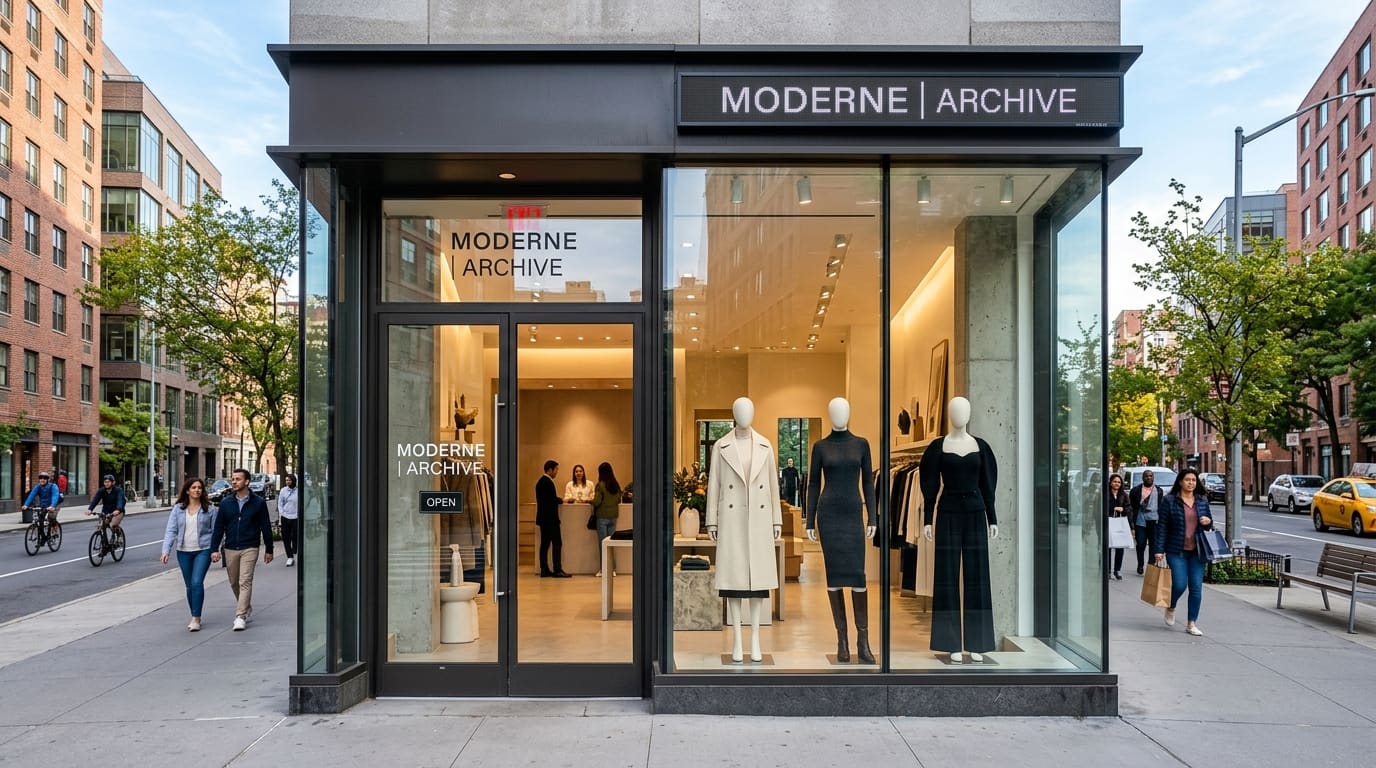
Glass Shelving: Where It Works and Where It Does Not
Glass shelving has been a design staple in the DMV residential and commercial market for decades, and with good reason. Glass shelves are visually unobtrusive — they hold objects without visually cluttering the space, the wall behind them remains visible, and the overall effect is lighter and more elegant than wood or metal shelving. They are hygienic and easy to clean. They are appropriate for any style from traditional to contemporary. And when properly specified and installed, they are genuinely strong and reliable for a lifetime of use.
The applications where glass shelving works best are display contexts — floating wall shelves for books, plants, and decorative objects; bathroom vanity shelving for toiletries; kitchen open shelving for dishes and glassware; commercial display shelving in retail stores and showrooms; and residential display cases for collections, trophies, and wine. In all of these applications, the glass is visible as part of the display, the loads are moderate (typically less than 50 to 75 pounds per shelf), and the aesthetic of transparency is part of the design intent.
Glass shelving is less appropriate where loads are heavy, where significant impact is possible, or where the transparency of glass is not desired. A workshop shelf holding heavy tools, a garage storage shelf, or a closet shelf intended for heavy clothing loads are not good applications for glass. The structural requirements and the practical abuse potential in these applications are better served by solid materials. Understanding where glass is the right material is as important as understanding how to specify and install it correctly.
In the DMV commercial market, glass shelving and display cases are common in retail stores, galleries, showrooms, wine shops, and professional offices throughout DC, Bethesda, Tysons, and Alexandria. Commercial glass shelving applications involve higher loads, more users, and greater liability exposure than residential applications, which makes correct specification and installation even more critical. Virginia Glass Windows handles both residential and commercial glass shelving projects throughout the region.
Glass Thickness for Shelving: How to Choose Correctly
The most important specification decision in any glass shelving project is glass thickness. Too thin and the glass flexes visibly under load, which is both unsightly and a warning sign of impending failure. Properly specified glass should show no perceptible deflection under normal load. Grossly under-specified glass can fail catastrophically — the glass breaks suddenly, dropping its contents and potentially injuring anyone nearby.
Glass thickness for shelving is determined by the span (the distance between supports) and the load. Longer spans and heavier loads require thicker glass. As a practical guideline for residential glass shelving: for shelves up to 24 inches in span with light loads (books, dishware, decorative objects), 1/4-inch tempered glass is the minimum appropriate specification. For spans of 24 to 36 inches, 3/8-inch tempered glass is the appropriate standard. For spans over 36 inches or for moderate to heavy loads at any span, 1/2-inch tempered glass should be used. For commercial display shelving with significant loads, 1/2-inch or 3/4-inch glass is the appropriate range depending on span and load.
These are practical guidelines, not precise engineering calculations. For shelving with unusual spans, exceptional loads, or structural consequences of failure (overhead shelving in a public space, for example), a proper structural calculation should be performed. We can provide guidance on glass thickness for specific projects and connect you with a structural engineer when project conditions warrant it.
Glass width also affects shelf performance. A narrow deep shelf (12 inches deep by 36 inches wide) performs differently under load than a wide shallow shelf (24 inches deep by 36 inches wide). The depth of the shelf affects where the load is applied relative to the supports. We account for both span and depth when recommending glass thickness. Call (703) 470-7867 or visit /photo-estimate to discuss your specific glass shelving project and get a free custom quote.
Bracket Systems: The Critical Support Details
The bracket or support system for a glass shelf is as important as the glass thickness for structural safety and for protecting the glass from edge damage that can cause delayed failure. Glass that is properly thick for the span can still fail if the support system creates point-load stress concentrations at the glass edges or supports.
The key requirement for glass shelf brackets is that they must cushion the glass at every contact point. Glass-to-metal or glass-to-hard-plastic contact without cushioning creates point loads at the bracket contact points. When the shelf is loaded, the glass flexes slightly, and the point load at the bracket contact concentrates stress at the glass edge. Over time — or under a sudden heavy load — this stress concentration causes the glass to crack at the bracket point and fail. This is a well-documented failure mode for incorrectly supported glass shelves.
Properly designed glass shelf brackets use soft vinyl, rubber, or silicone pads at all glass contact points. These pads distribute the contact load over a larger area and absorb the micro-movement at the support point as the shelf flexes under load. For wall-mounted floating brackets, the pads line the bracket channel where the glass sits. For cantilever bracket systems with point contact at the glass edge, the pad must be sized to spread the contact over at least one inch of glass edge length.
For display case glass shelves with pins in the cabinet side panels, glass-safe shelf pins with rubber pads or domed rubber tips are available and must be used. Standard metal shelf pins with flat tops are not appropriate for glass shelves — they create the exact point-load condition that leads to glass cracking at the support. We supply appropriate glass shelf hardware with all our glass shelving installations. Never use flat-topped metal shelf pins with glass shelves.
Tempered Glass: Required for Safety Shelving
Tempered glass is required for structural glass shelving applications for the same reason it is required in door and window safety glazing: when tempered glass fails, it breaks into small, relatively blunt fragments rather than the large, sharp shards that annealed glass produces. A glass shelf that fails unexpectedly and breaks into large sharp shards is a serious injury hazard. A glass shelf that breaks into small fragments is still a disruption and a mess, but the injury risk is dramatically lower.
All residential and commercial glass shelving installed by Virginia Glass Windows uses tempered glass as the standard specification. We do not install annealed glass structural shelving. This is a non-negotiable safety standard, not a premium upgrade. For any glass that is load-bearing, overhead, or in a location where failure could cause injury, tempered glass is the minimum appropriate material.
One important implication of the requirement for tempered glass is that tempered glass cannot be cut or drilled after tempering. This means that all holes for shelf pins, all notches for bracket slots, and all edge shapes must be specified before tempering and fabricated at the glass shop. Attempting to cut, drill, or score tempered glass after tempering will cause the entire piece to shatter. If you need a glass shelf with holes for cable or peg support systems, specify the hole locations and sizes when ordering. We handle all of this during the custom fabrication process.
Heat-strengthened glass — glass that has been partially tempered to a strength level between annealed and fully tempered — is used in some commercial display applications where the visual clarity of fully tempered glass cannot be achieved. Fully tempered glass has a visible stress pattern called quench marks or roller wave distortion that is visible under certain lighting conditions. Heat-strengthened glass has less distortion but also breaks into larger fragments than fully tempered glass. For residential shelving, fully tempered glass is the standard. For high-end commercial display cases where optical clarity is critical, heat-strengthened glass may be specified with appropriate risk acknowledgment.
Display Cases: Commercial and Residential Glass Standards
Display cases — enclosed glass boxes for showing objects — are a specialized glass application that combines structural shelving requirements with glass framing and enclosure requirements. Display cases appear in residential settings (trophy cases, gun safes with glass fronts, wine display cabinets, collector display cases) and in commercial settings (retail jewelry cases, museum cases, gallery vitrines, retail product display).
The glass in a display case must address several requirements simultaneously: structural performance for the shelves, security considerations for the enclosure, and visual clarity and reflection management for the display. Residential display case glass is typically low-iron tempered glass (sometimes called ultra-clear or starphire glass) which has significantly less green tint than standard clear glass and provides better color rendering for the objects on display. This is particularly important for jewelry, art, and other objects where color accuracy matters.
Commercial retail display cases — jewelry counter cases, electronics display cases, and similar applications — use tempered glass throughout, often with anti-reflective coatings on the interior surfaces to reduce the glare that makes merchandise difficult to see in brightly-lit retail environments. Anti-reflective tempered glass is available from specialty suppliers and is worth the modest premium in commercial retail applications where visibility of merchandise directly affects sales.
For custom residential or commercial display cases in the DMV area, Virginia Glass Windows provides complete glass fabrication and supply — shelves, side panels, top panels, sliding or hinged door panels, and all hardware. We work from your case dimensions or from existing case frames that need glass replacement. Glass for display cases is a significant part of our custom glass business. Visit /services/custom-glass for more, or call (703) 470-7867 for a display case glass consultation and free custom quote.
Installation and Safety for Glass Shelving Systems
Professional installation of glass shelving is important for safety and for the long-term performance of the system. Improperly installed glass shelving — incorrect bracket spacing, inadequate wall anchoring, missing cushion pads, or glass that is not properly seated in the brackets — is a failure waiting to happen. We install glass shelving throughout the DMV as a complete service: supply, deliver, and install with appropriate hardware and wall anchoring.
Wall anchoring for glass shelf brackets must be appropriate for the wall construction and the expected load. In DMV residential construction, walls are typically wood stud framing (older homes) or steel stud framing (newer construction and commercial). Bracket anchors must engage the stud or use appropriate hollow-wall anchors rated for the bracket load. A glass shelf loaded with dishware puts significant pull-out force on the bracket anchors — this is not the application for basic drywall anchors.
For bathroom glass shelving over vanities or sinks — a common application in DMV bathroom renovations — the wall construction behind tile is typically cement board over studs or concrete block. Anchoring glass shelf brackets through tile requires tile-appropriate drill bits and anchor types. We handle tile anchoring as part of bathroom glass shelf installation and take care not to crack the tile during drilling.
Safety glass shelving best practices for DMV homeowners: inspect shelving annually for any signs of glass edge chipping, cracking, or bracket cushion deterioration. Do not overload glass shelves beyond the original specification. Do not place glass shelves in locations where they could be impacted by falling objects, doors, or active traffic. For glass shelf replacement, repair, or new installation anywhere in the DC, Maryland, and Virginia area, call (703) 470-7867 or visit /photo-estimate.
Need Help With Your Glass?
Send us a photo of your window or glass issue and get a free estimate within hours. Our experts serve all of DC, Maryland, and Virginia.
Common Questions
Frequently Asked Questions
Answers to common questions about this topic from our DMV glass experts.
Keep Reading
Related Guides
Explore More Resources
Related Articles
Common Problems
Our Services
Ready to Get Started?
Get a free estimate from our glass experts. Same-day service available across DC, MD & VA.