Winter Window Preparation for DMV Homes: Seal, Insulate & Protect
DMV winters bring freezing temperatures, ice storms, and wind that test your windows. Here is how to prepare your windows to stay warm, efficient, and damage-free all winter long.
Mike Reynolds
Lead Glass Technician & Owner
In This Article
Check Your Seals Before the Cold Hits
The best time to find air leaks is on a breezy fall day before temperatures drop. Run your hand along the edges of every window with the window closed and locked. If you feel air movement, the seal between the glass and frame has failed, the weatherstripping has deteriorated, or the glazing compound has dried out. These leaks become energy drains once your heating system kicks on — and they only get worse as temperatures drop and materials contract.
Identify Failed IGU Seals
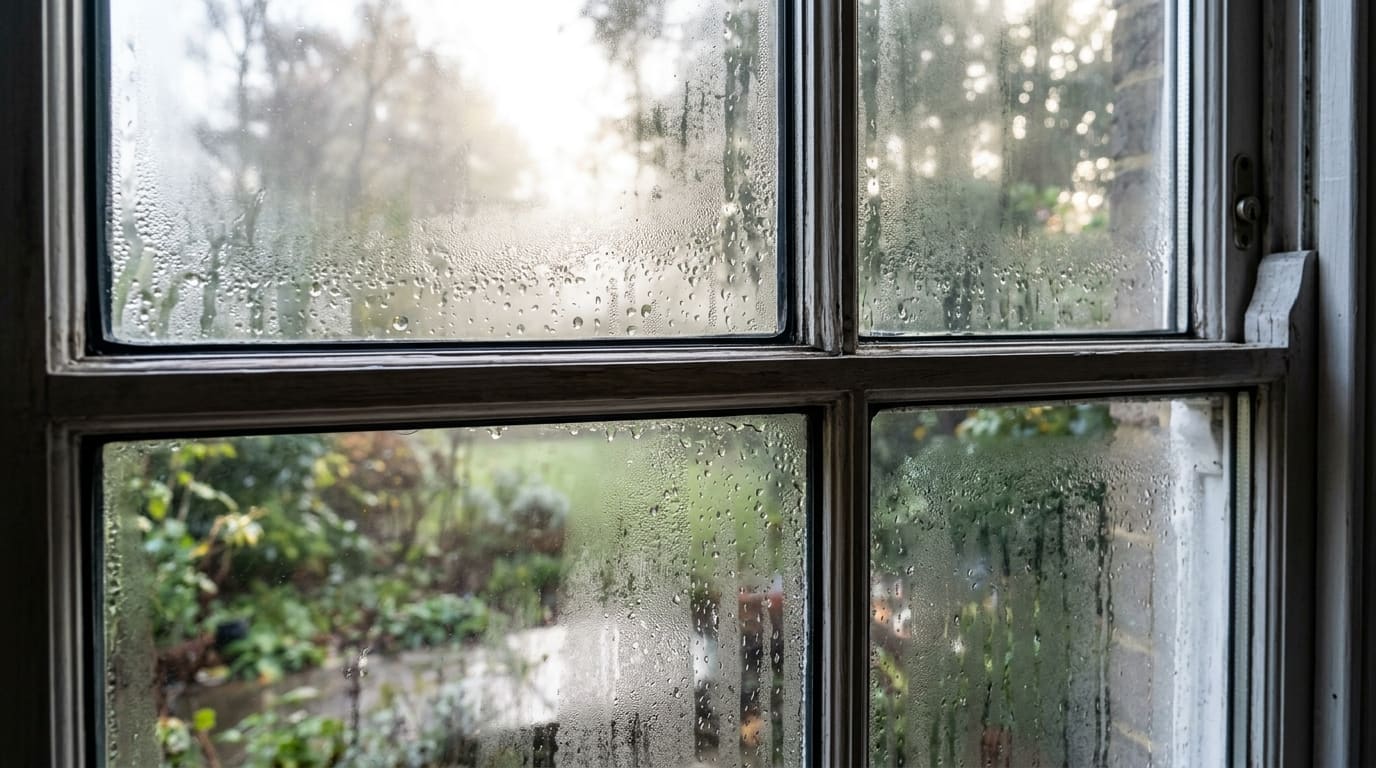
Double-pane windows with failed seals lose significant insulating value during winter because the argon gas that was providing 15 to 20 percent of the thermal performance is gone. Fog between the panes is the obvious sign, but even windows that look clear during fall may reveal condensation when the first freezing nights arrive and the temperature differential between inside and outside increases. Winter is when failed seals cost you the most in energy waste.
Glazing Compound Maintenance
For older wood-frame windows in historic DMV neighborhoods, inspect the exterior glazing compound that seals the glass to the frame. Cracked, missing, or crumbling glazing allows cold air and moisture to penetrate the frame. Re-glazing is straightforward and inexpensive — far cheaper than the heating energy you lose through unglazed gaps all winter, and critical for preventing water infiltration that can rot wood frames.
Interior Storm Windows
If full window replacement is not in your budget, interior storm window inserts provide a cost-effective way to improve single-pane window performance during winter. A fitted acrylic or glass panel mounted inside the existing window frame creates an insulating air gap that can reduce heat loss by 40 to 50 percent. These are removable for summer ventilation and are an approved modification in most historic districts.
Prevent Ice Damage
Ice that forms on the exterior of windows during freezing rain events is generally harmless to the glass itself. However, ice dams on the window sill or at the base of the frame can force water into the frame joint, damaging wood frames and glazing compounds. Ensure your window sills slope outward for proper drainage and clear any ice accumulation from sill areas after storms.
Schedule Winter Repairs
Window glass replacement can be performed in winter — our technicians work in all weather conditions and minimize the time each opening is exposed to cold air. If you have identified damaged glass or failed seals during your fall inspection, do not wait for spring to schedule repairs. Every winter month with a failed window costs you money in energy waste and risks further damage from ice, wind, and temperature stress.
About the Author
Mike Reynolds
Lead Glass Technician & Owner
With over 15 years of experience in window and glass repair across the DC, Maryland, and Virginia area, Mike shares practical expertise to help homeowners and businesses make informed decisions about their glass repair and replacement needs.
Need Help With Your Glass?
Our experts are ready to help with any window or glass issue. Free estimates, same-day service available across DC, MD & VA.
More Seasonal
View All
Spring Window Maintenance Checklist for DMV Homeowners
6 min read
Summer Heat & Your Windows: Protecting Glass in DMV Summers
6 min readHow to Winterize Your Windows for the DMV Climate: A Step-by-Step Guide
7 min read
DMV Glass Care: A Month-by-Month Seasonal Guide for Washington DC, Maryland, and Virginia Homeowners
8 min readExplore More Resources
Helpful Guides
Common Problems
Related Pages
Our Services
24/7 Emergency
Board-Up & Glass
Licensed & Insured
DC, MD & VA
300+ Areas
DMV Coverage
Same-Day Service
When You Need It
Ready to Get Started?
Get a free estimate for any window or glass service across the DMV area.