What to Do After a Break-In: Glass Damage, Emergency Board-Up, Insurance, and Next Steps
We respond to break-in glass damage across DC, Maryland, and Virginia every week. Here is the calm, systematic approach that protects you legally, financially, and physically after the worst has happened.
Mike Reynolds
Lead Glass Technician & Owner
In This Article
The First Thirty Minutes: What Matters Most
I want to start by saying something that people in this situation need to hear: the thirty minutes after you discover a break-in feel chaotic and urgent, but the decisions you make in those thirty minutes have consequences that play out over weeks in your insurance claim and potentially months if there is ever a legal process. The emotional urgency to "fix it" and "clean it up" can actually work against you if you are not deliberate about sequence.
The first call is to 911 if the break-in is in progress or recent and you have any reason to believe the intruder may still be in or near the property. If the break-in appears to have happened hours ago, call the non-emergency police line for your jurisdiction — DC MPD at (202) 727-9099, Fairfax County at (703) 691-2131, Montgomery County at (301) 279-8000, or your local municipal PD depending on location. Do not enter a property you believe may still be occupied by an intruder. Wait for police to clear the scene.
Once police have confirmed the scene is safe, your priorities in order are: call your insurance company to report the claim before touching anything, document everything by photograph, and only then begin the process of securing the property. The specific sequence matters for insurance purposes — documentation before cleanup is essential, and your insurer may want to send an adjuster to view the damage before repair work begins. Most adjusters can do a preliminary assessment from photographs in the current environment, so call and ask about their process before you proceed.
Documenting the Damage for Insurance
The insurance documentation step is where I have seen homeowners cost themselves real money by moving too quickly. Before anything is moved, cleaned, boarded, or repaired, take extensive photographs. This means: the point of entry from outside, showing how the glass was broken and the frame condition; the area immediately inside the entry point showing any glass on the floor or sill; every room where items were disturbed or displaced; any surfaces where fingerprint powder was applied by police investigators; any additional property damage beyond the glass itself (lock mechanisms, door frames, furniture, other broken glass).
Photograph in context first (wide shot showing the whole window) and then in detail (close-up of the break point). If you have a measuring tape, photograph the window with the tape showing dimensions — this helps with the insurance estimate and the glass fabrication order simultaneously. If there are any serial numbers visible on stolen electronics or appliances, photograph those spaces even if the items are gone. The police report number should be written down immediately; you will need it for every insurance interaction.
Many homeowners in DC and the inner suburbs have experience with property crime simply because of the density and the petty crime rates in some neighborhoods. Georgia Avenue, the New Hampshire Avenue corridor, parts of Northeast DC, and some commercial strips in Silver Spring and Hyattsville see repeated break-in events at the same properties. If you have been targeted before, your insurer may ask for additional documentation of security measures. Having photographs of window locks, sensors, and any security film on the glass from before the break-in is useful context.
Emergency Board-Up: Getting Through the Night
Once documentation is complete and police have finished their work, the glass needs to be secured before you can leave the property or go to sleep. A broken window is not just a weather opening — it is an open invitation for a follow-on entry, and experienced burglars in DMV neighborhoods sometimes return to a previously hit property within 24 to 48 hours knowing that the occupants are shaken and the security has been temporarily compromised.
Professional board-up is faster and more secure than DIY. We use 3/4-inch plywood panels cut to cover the full frame opening, secured with exterior screws through the frame rather than just taped over the opening. The screws go through the plywood into the frame on all four sides, creating a panel that takes meaningful force to remove and that is weather-tight against rain and wind. Compared to a piece of cardboard or a sheet of plastic, this is the difference between a secured property and a property that looks abandoned and vulnerable.
We respond to emergency board-up calls throughout the DMV within two to four hours on average, and we have nighttime and weekend availability specifically for these situations. Glass replacement typically follows within one to three business days depending on the glass size and specification — we measure the opening during the board-up call, order the glass immediately, and schedule the replacement installation. Most common residential glass sizes (standard sash replacements, single-pane units in older homes) we keep in stock or can get next-day. Custom sizes and specialty glass (double-pane units, decorative glass, picture windows) require one to three days of fabrication time.
Navigating the Insurance Claim
Homeowner's insurance almost universally covers glass damage from break-ins under the dwelling coverage portion of the policy, subject to your deductible. The practical process depends on your insurer and the size of the damage. For glass damage that is clearly below your deductible, paying out of pocket and not filing a claim is often the right financial decision — a filed claim that does not result in payment can still affect your premium at renewal. For damage above your deductible, the process typically goes: file the claim, adjuster review (often virtual now from photographs), claim approval, repair authorization.
We work directly with insurance companies and can provide the detailed written estimate that adjusters require, including the material specifications, labor, and emergency board-up charges as separate line items. We know what documentation each major insurer's claims process requires and can prepare our estimates accordingly. The combination of a clean police report, thorough damage photography, and a detailed written repair estimate from a licensed glass contractor is essentially everything an adjuster needs to approve a straightforward break-in glass claim.
One important note on contents versus dwelling coverage: the glass window itself is a dwelling component and is covered under your homeowner's dwelling coverage. Items stolen or damaged inside are covered under contents coverage, which may have separate limits and deductibles. If anything besides glass was damaged — furniture, electronics, appliances — those are separate claim items under a potentially separate coverage section. Your insurance agent (not the claims adjuster, but your actual agent who handles your policy) can explain how your specific policy applies.
Preventing the Follow-On: Security Glass Options
After a break-in is the time when homeowners are most receptive to security glass upgrades, and that makes practical sense — you have a glass replacement happening anyway, and the incremental cost of upgrading to laminated security glass is relatively modest compared to the total project cost. Laminated glass — the same technology used in car windshields — holds together under impact rather than shattering into accessible fragments. A break-in entry through laminated glass is significantly more difficult, noisier, and slower than through standard glass, which matters because most residential burglars are looking for speed and low noise.
For properties in higher-risk locations — first-floor windows on streets with elevated property crime rates, ground-level windows without clear sightlines from the street, rear-facing windows and doors that are not visible from any public view — laminated replacement glass during a post-break-in repair is one of the highest-value security investments available. We can upgrade any window to laminated glass as part of a repair or replacement, and we can provide written documentation of the upgrade for your insurance carrier, which some insurers recognize with modest premium adjustments. Call us at (703) 470-7867 and we will talk through what makes sense for your specific property and neighborhood situation.
About the Author
Mike Reynolds
Lead Glass Technician & Owner
With over 15 years of experience in window and glass repair across the DC, Maryland, and Virginia area, Mike shares practical expertise to help homeowners and businesses make informed decisions about their glass repair and replacement needs.
Need Help With Your Glass?
Our experts are ready to help with any window or glass issue. Free estimates, same-day service available across DC, MD & VA.
Related Articles
Continue reading about safety
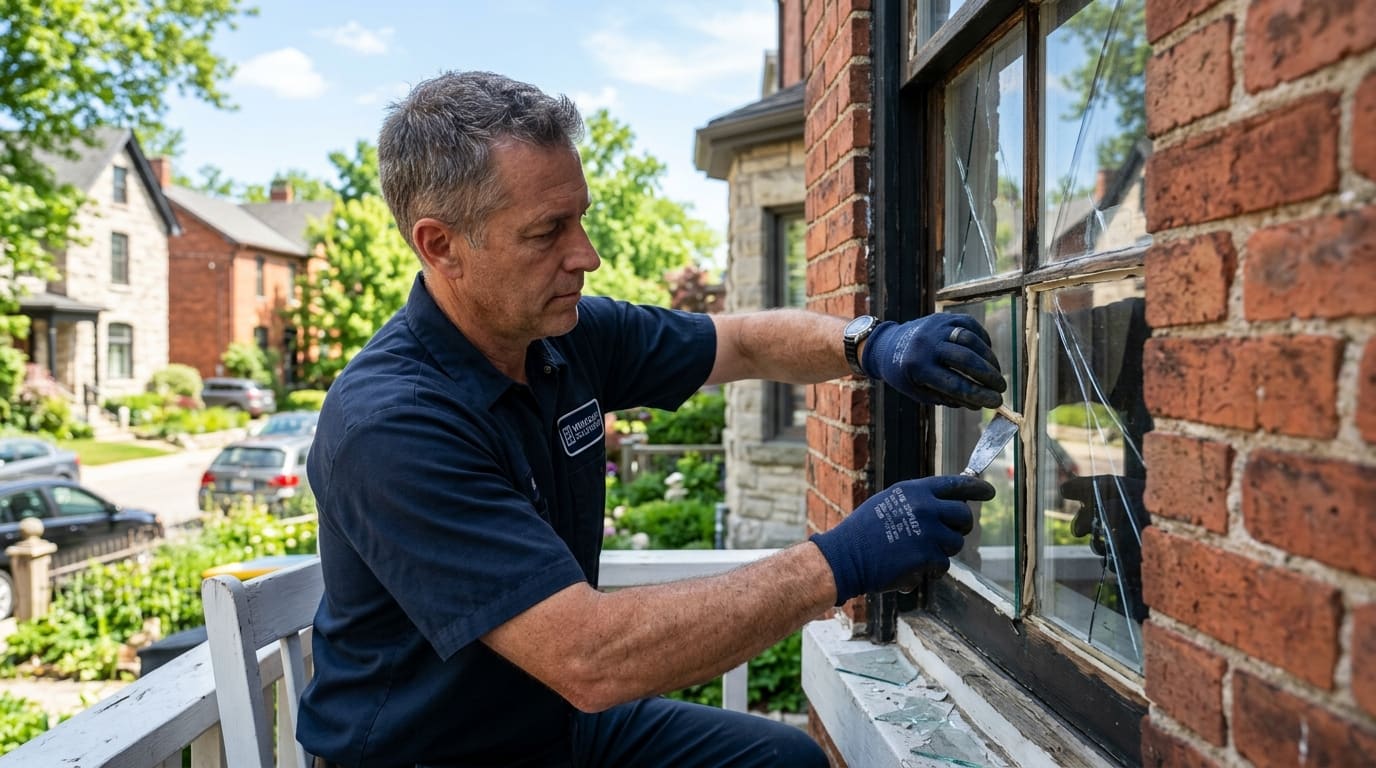
More Safety
View All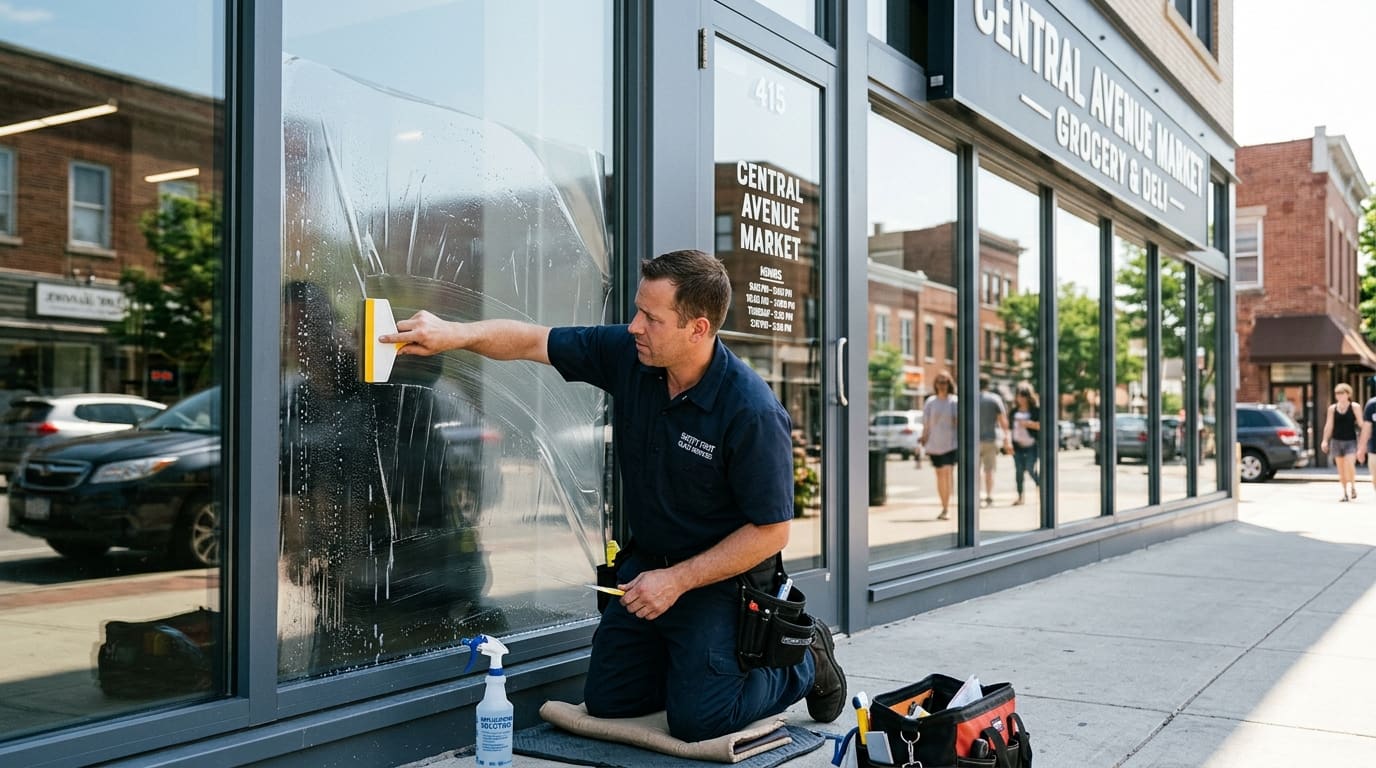
Security Glass Options for DMV Homes: Tempered, Laminated & Impact-Resistant
8 min read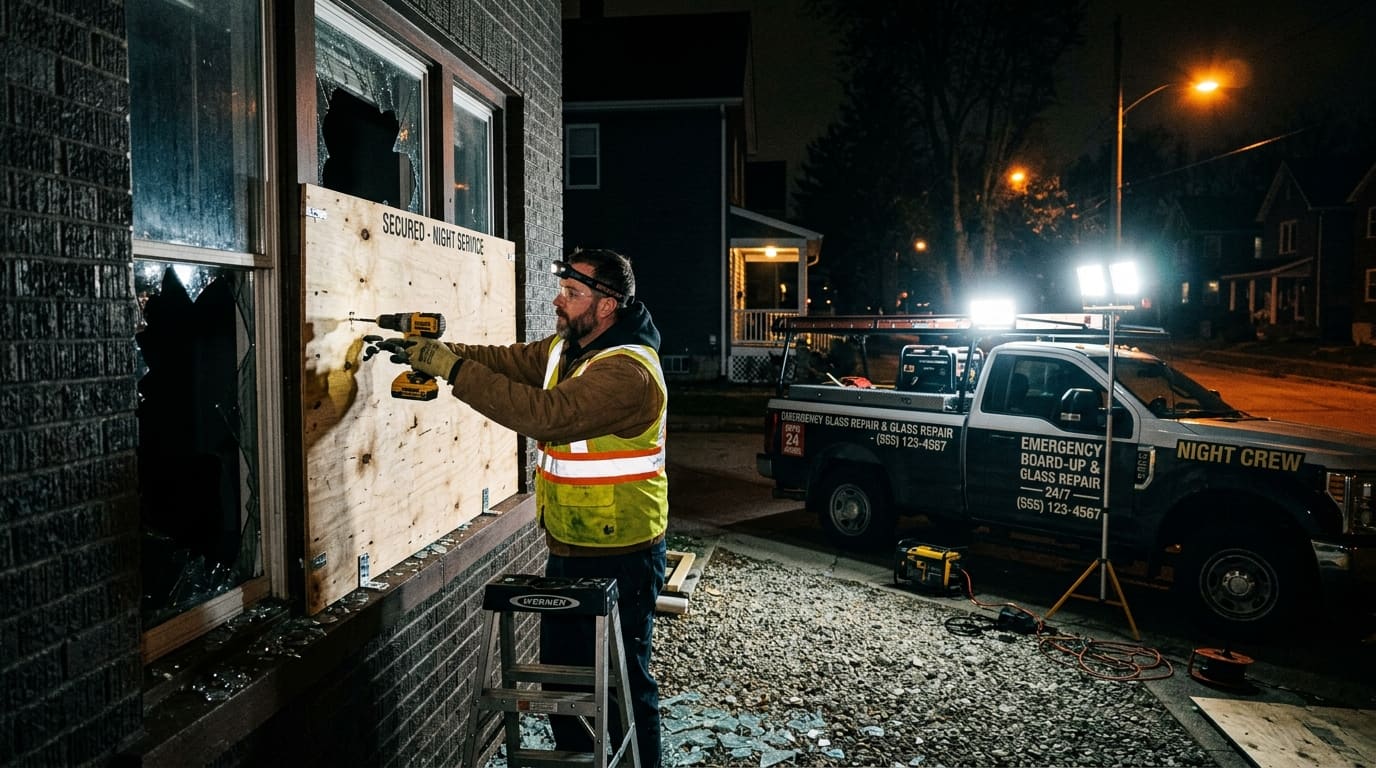
Emergency Window Repair: What to Do When Your Glass Breaks
6 min read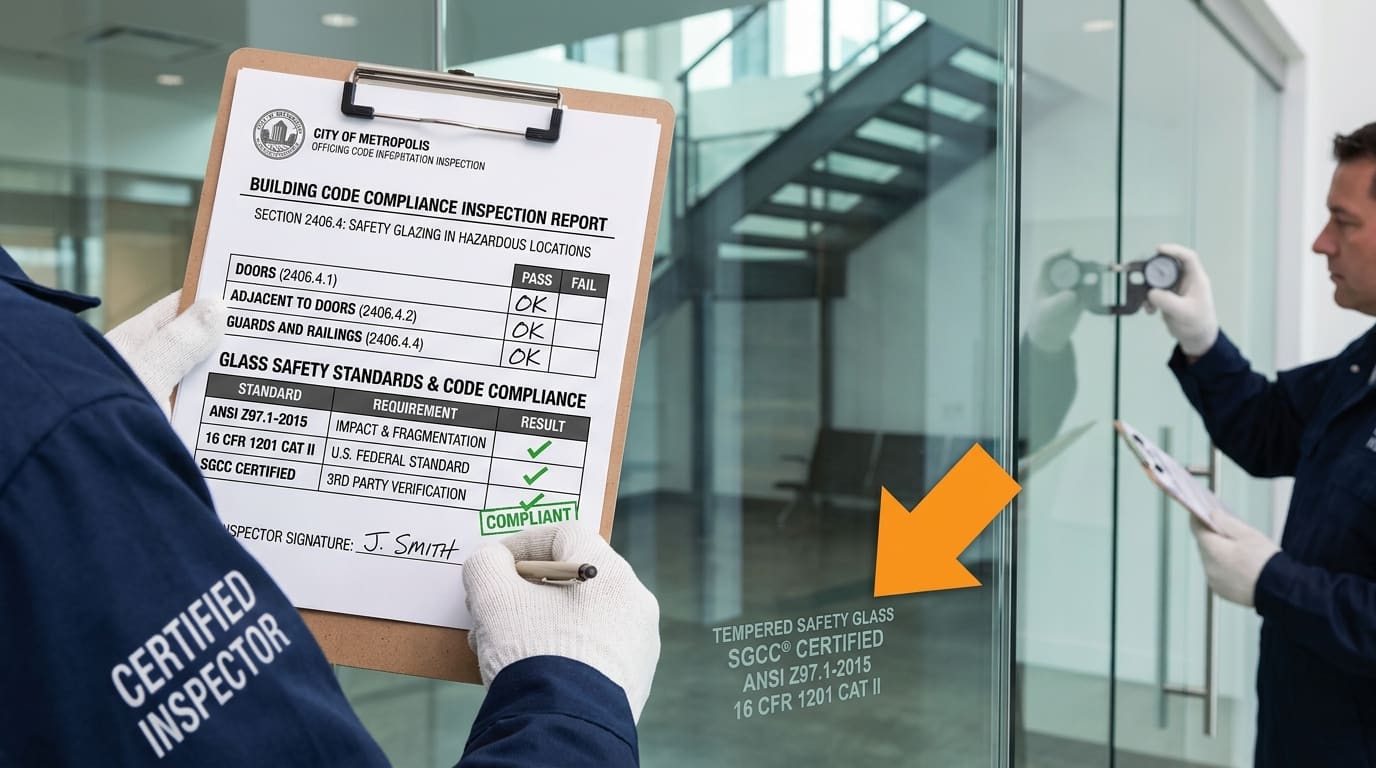
Glass Safety Standards & Building Codes: What Homeowners Need to Know
7 min read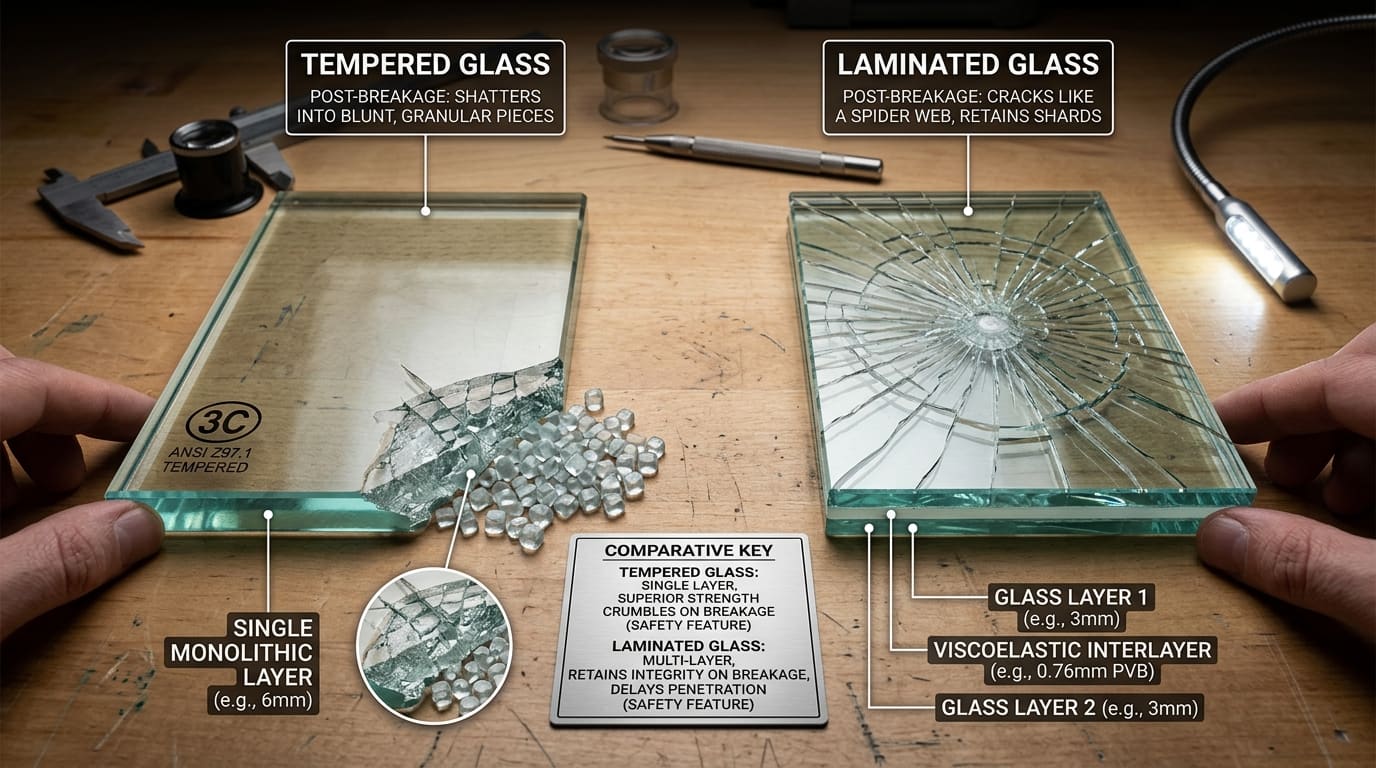
Glass Fence & Railing Code Requirements: Pool, Deck & Balcony
6 min readExplore More Resources
Helpful Guides
Common Problems
Related Pages
Our Services
24/7 Emergency
Board-Up & Glass
Licensed & Insured
DC, MD & VA
300+ Areas
DMV Coverage
Same-Day Service
When You Need It
Ready to Get Started?
Get a free estimate for any window or glass service across the DMV area.