
Seasonal Window Maintenance Tips for DMV Homeowners: A Month-by-Month Calendar
I have looked at a lot of windows across the DMV that failed or deteriorated prematurely — and in most cases, there was a specific maintenance step that, done at the right time of year, would have prevented it. Here is the practical calendar.
Mike Reynolds
Lead Glass Technician & Owner
In This Article
Why Seasonal Timing Matters for Window Maintenance
Window maintenance is not just a task to do whenever you get around to it — the timing relative to the DMV climate cycle matters significantly for both effectiveness and preventing damage. Caulking applied in February when temperatures are near freezing does not cure properly and will fail within a year. Glass cleaning done in July at 95°F in direct sunlight leaves streaks because the cleaner evaporates before you can work it off. Weatherstripping inspection done in November catches problems after the first cold weather has already allowed drafts and moisture in; done in September, you have time to fix things before winter.
The DC-Maryland-Virginia climate is genuinely demanding for windows — more so than regions with milder seasonal swings. We have real winters with freeze-thaw cycles, real summers with high heat and humidity, and a spring and fall that bring heavy precipitation and wind events. A maintenance calendar calibrated to this climate cycle keeps windows in better condition and extends their functional life significantly.
March–April: Post-Winter Assessment
Early spring is the best time for a thorough window inspection after the winter stress cycle. Walk through the house and look at each window from both inside and outside. On the exterior, look for any caulk that has pulled away from the frame, cracked, or developed gaps. The freeze-thaw cycle through the DMV winter — temperatures swinging from 20°F to 55°F and back within a week — stresses caulk seals more than any other season. Failed caulk from a November cold snap may be clearly visible in March in ways it was not when you last looked in the fall.
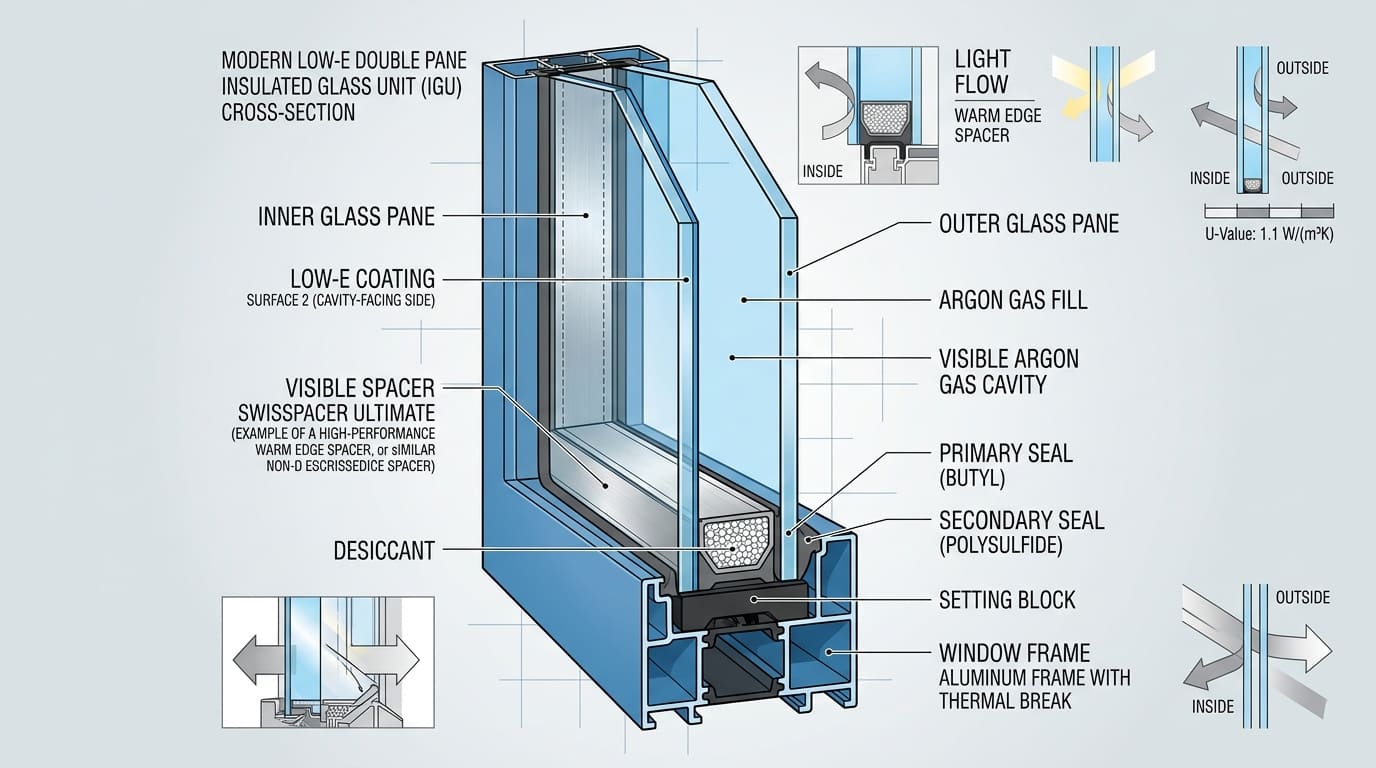
Inspect IGU glass panels for fogging or cloudiness between the panes — the symptom of a failed seal. Fog between the panes is most visible in the morning when temperature differentials are greatest. If you notice any panels that were previously clear now showing interior fogging or mineral deposits between the panes, document them now and plan for replacement before the summer cooling season.
Look at weatherstripping on operable windows and doors. Compressed or cracked weatherstripping that you first noticed in the fall but did not get to will now need addressing before the wet spring season. Deteriorated weatherstripping lets water in during spring rain events even if it was merely drafty in winter. Spring is also the right time to test all window operations — open and close each window fully to identify any sashes that have swollen shut, crank mechanisms that have stiffened over winter, or balance systems that are not holding the sash properly.
May: Spring Cleaning and Glass Care
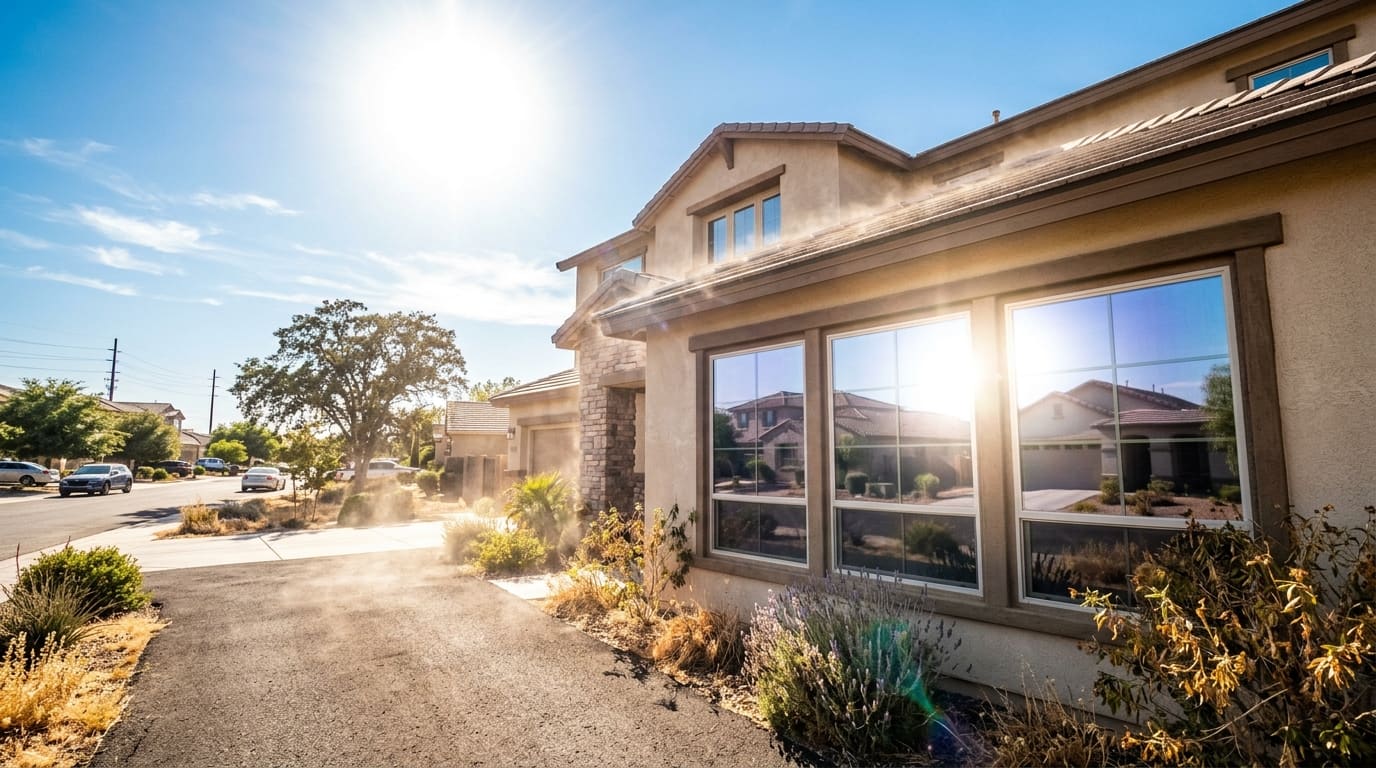
May is ideal for exterior glass cleaning in the DMV — temperatures are moderate, humidity is lower than summer, and you are not fighting summer sun heat that makes glass cleaning difficult. Exterior glass cleaning removes the winter accumulation of road salt spray (a real issue for homes near major arterials), mineral deposits from rain streaking over masonry, and pollen — the April pollen season in the DMV is intense and leaves a film on exterior glass that affects both appearance and light transmission.
Use a microfiber cloth or squeegee technique with a diluted dish soap solution or a dedicated glass cleaner. Avoid abrasive cleaners or scouring pads on coated glass (Low-E coatings on the exterior surface of non-IGU glass can be scratched). For IGU glass, the Low-E coating is on interior surfaces within the sealed unit and is not at risk from exterior cleaning. Work from top to bottom, and avoid cleaning in direct sun — work in the shade or on overcast days for streak-free results.
For screens — replaced in spring after winter storage — inspect the screen material for tears or stretched mesh and check that the spline seating the screen mesh in the frame is properly seated all around. A screen with lifted or missing spline sections lets insects through around the edges and may allow the screen mesh to blow out in summer thunderstorm gusts.
June: Pre-Summer Storm Preparation
June is thunderstorm season in the DMV, and the convective storms that pop up on July and August afternoons can be severe — capable of producing damaging wind gusts above 60 mph and large hail in the most intense events. Before the storm season hits, do a storm readiness check on your windows.
Look for any windows with existing chips, cracks, or stressed glass that might fail under storm wind loading or hail impact. A stress crack that has been stable through the winter may be at risk in a window taking a storm wind gust from a new direction. If you have any questionable glass, plan to have it replaced before the severe weather season rather than after a storm event that causes a failure at the worst possible time.
Check that all window locks and latches are functional — a window that cannot be fully latched cannot resist wind pressure effectively and is a wind-driven rain ingress point in a storm. Check storm window operations if your home has traditional combination storm windows. Test any manual storm shutters or exterior storm panels to ensure they are functional before you need them.
August–September: Humidity and Seal Assessment
August is peak humidity season in the DMV — daily humidity averages above 70% through the month, and the combination of outdoor heat and humidity with air-conditioned interior spaces creates maximum thermal and moisture differentials across glass. This is when IGU seal failures become most apparent — the moisture pressure differential that causes interior condensation between failed IGU panes is greatest when outdoor humidity is high and indoor air is dry from air conditioning.
Do a mid-summer IGU inspection looking for any new fogging panels that were not present in the spring. If you find new seal failures, schedule replacement in September or October — before the holiday season and the end-of-year rush that backs up installation schedules. Getting on the schedule in September or October is easier than November-December.
September is the right time for a pre-fall assessment of all weatherstripping and threshold seals. The fall season in the DMV — September through November — brings the transition from cooling to heating load, and any air infiltration problems that were masked by summer cooling now become noticeable as drafts and heating bills. Catching and addressing weatherstripping deterioration in September, before the heating season, is the right timing.
October: Weatherproofing and Caulking Season
October is the optimal month for caulking work in the DMV. Temperatures are consistently in the 50-70°F range — the ideal curing range for most exterior caulks — and there is typically adequate time before the first hard frosts for caulk to cure fully. Caulk applied in October is set and performing before the first severe cold of November or December tests it.
Focus caulking attention on the perimeter of all window frames — the joint between the frame and the surrounding wall cladding or masonry — and on any interior trim gaps around window frames where air infiltration occurs. For historic DMV homes with original wood windows in brick construction, the frame-to-masonry joint is the primary maintenance caulk location and benefits from annual inspection and touch-up.
November–December: Pre-Winter Glass Inspection
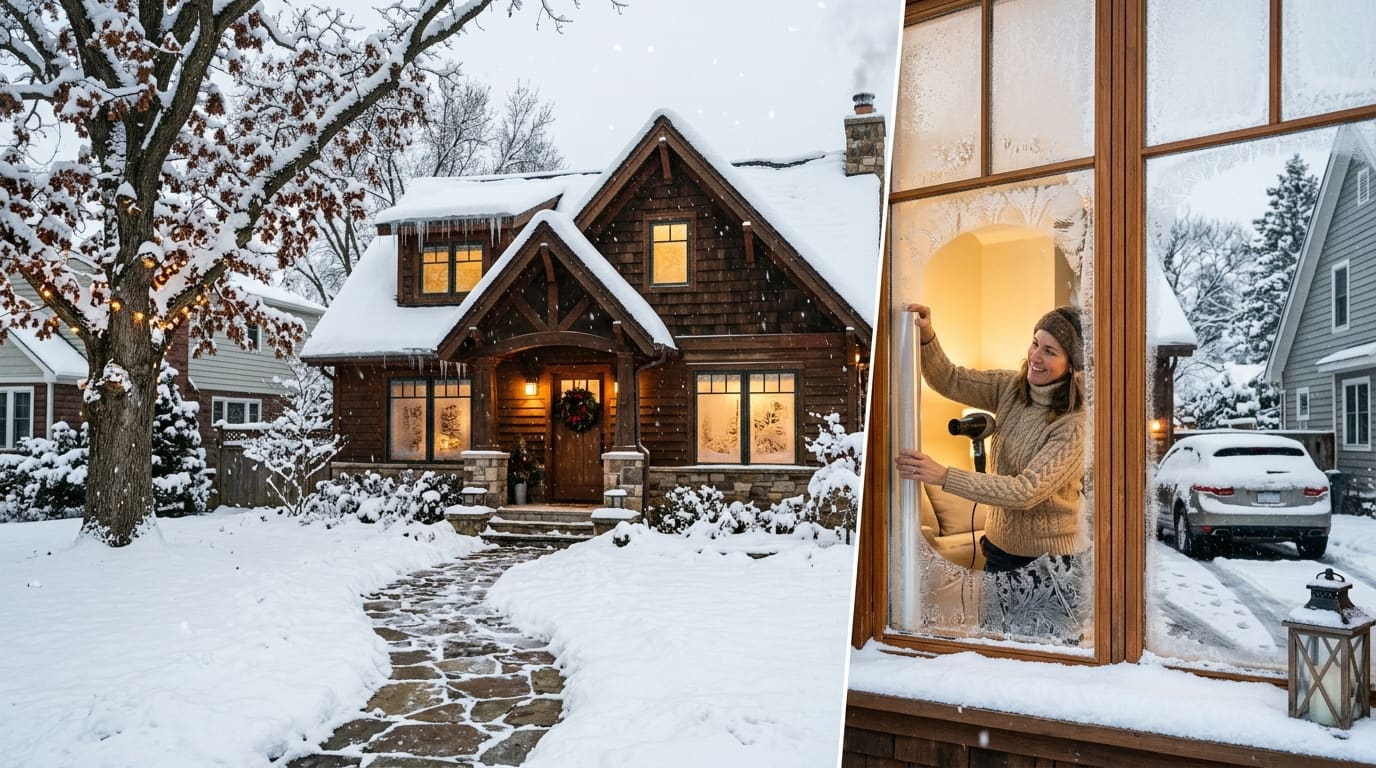
Before the heating season fully sets in, do a final check on any glass conditions identified during the year that have not yet been addressed. A fogged IGU panel is more noticeable and more problematic in winter when interior heating creates a greater temperature differential across the glass. A stress crack in a cold-side window — north or west facing — will experience maximum thermal stress in December-January when temperature differentials across the glass are highest.
If you have any glass work that needs to be done before winter, schedule it now. Glass fabrication and installation can be done through the winter in the DMV — our climate is not so cold that exterior glass work is impractical the way it might be in Minnesota — but scheduling in November is easier than trying to get emergency scheduling in January.
For questions about window condition assessment, seasonal maintenance, or any glass repair or replacement in DC, Maryland, or Northern Virginia, send us photos for a free evaluation. Call (703) 470-7867 year-round — we are available for both seasonal maintenance consultations and emergency repairs throughout the year.
About the Author
Mike Reynolds
Lead Glass Technician & Owner
With over 15 years of experience in window and glass repair across the DC, Maryland, and Virginia area, Mike shares practical expertise to help homeowners and businesses make informed decisions about their glass repair and replacement needs.
Need Help With Your Glass?
Our experts are ready to help with any window or glass issue. Free estimates, same-day service available across DC, MD & VA.
Related Articles
Continue reading about seasonal


More Seasonal
View All
Explore More Resources
Helpful Guides
Common Problems
Our Services
24/7 Emergency
Board-Up & Glass
Licensed & Insured
DC, MD & VA
300+ Areas
DMV Coverage
Same-Day Service
When You Need It
Ready to Get Started?
Get a free estimate for any window or glass service across the DMV area.